Specialty Barber Shears: Swivel, Left-Hand & Long-Blade
Three tools that exist because standard geometry fails at specific jobs — and how to buy each one.
By James Adams Updated
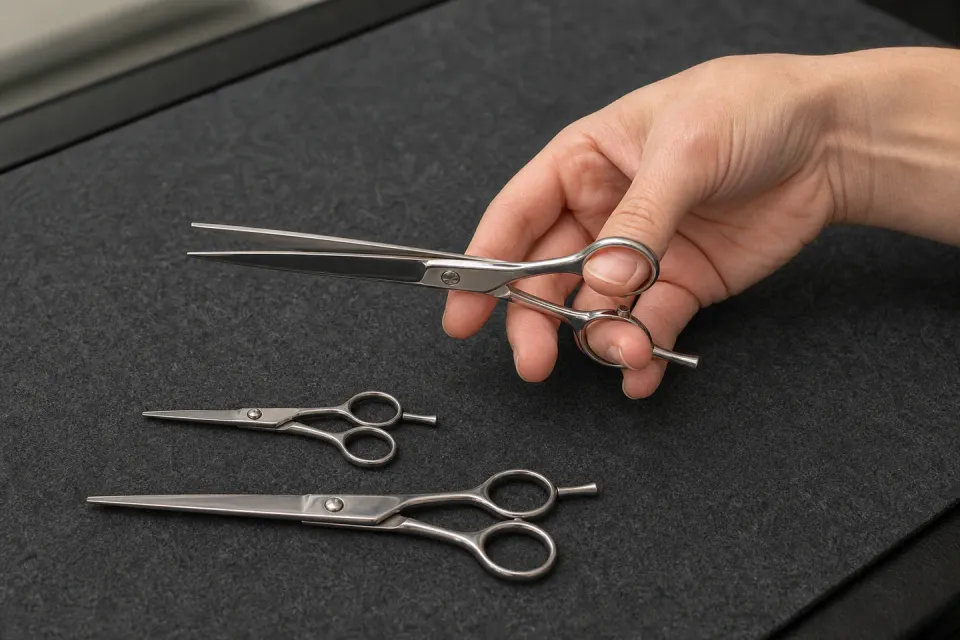
A specialty shear earns its place when your main cutter cannot do a regular job comfortably. These are the three common reasons to add one.
Swivel handle
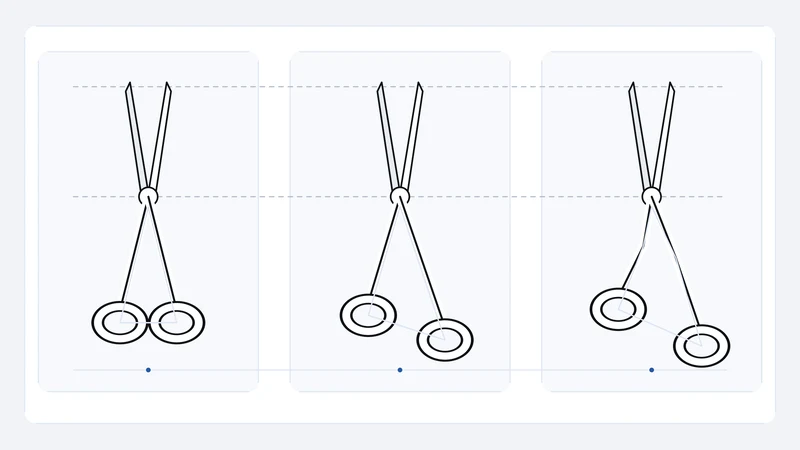
A moving thumb ring changes how the handle follows your hand through different cutting angles. Compare the mechanism and blade length on the actual model; the feel is personal. Start in the cutting range.
Left-hand build
A left-handed cutter is made for the blade crossing and grip used in the left hand. Choose the same way you would a right-hand tool: main length first, then edge and handle. See the left-handed range.
Long blade
A 7-inch or longer cutter reaches across wider comb sections. It makes sense when scissor-over-comb is a large part of your day; keep a shorter shear for close detail.
Name the task before paying for the extra tool. If you still need a main cutter, start with the size guide and build from there.