
Choose the next pair
Give the tool a job before comparing models.
- Choose a main cutterStart with the work, size and handle.
- Build a first kitDecide which tools you actually need.
- Compare named scissorsRead selected models by job and budget.
Free standard shipping over A$89 Free standard shipping on orders over A$89 Details on shipping
Choose your next pair, understand a feature or find the care guide for the tools at your station.
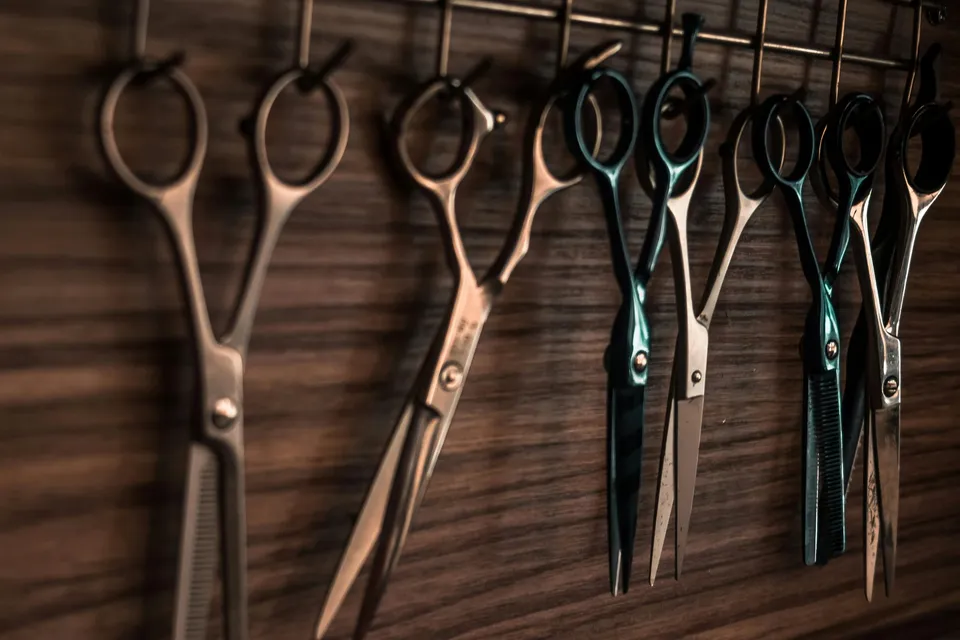
Pick the question closest to yours. Each route gives you somewhere useful to begin.
Give the tool a job before comparing models.
Put a name to the part or specification you want to compare.
Find the routine or next conversation for the tool you already own.
Want the whole library mapped by topic and reader? The barber scissor knowledge base has a start-here path for apprentices, working barbers, shop owners and overseas buyers, plus every Top 10 list.
Buying a main cutter? Start with how to choose barber scissors. It connects the job, length and handle choices before you compare models.
If the job is already clear, use our scissors by job and budget comparison, then check the exact variant on its product page.
Ready to order? Plan the recipient and parcel handoff before payment. Already ordered? Gather the current order and tracking information for an enquiry.
Want a record to keep with the kit? Our blank A4 sheets and text templates cover a first purchase, two-scissor comparison, arrival check, trainer conversation and service history.
Local kit planning for apprentices, campus access and service enquiries.
Compare length, handle, tooth design and the job the tool needs to do.
Ten barber scissor cases, wallets, pouches and holsters compared by capacity, material and job: single sleeves, felt cases, tri-folds and belt holsters.
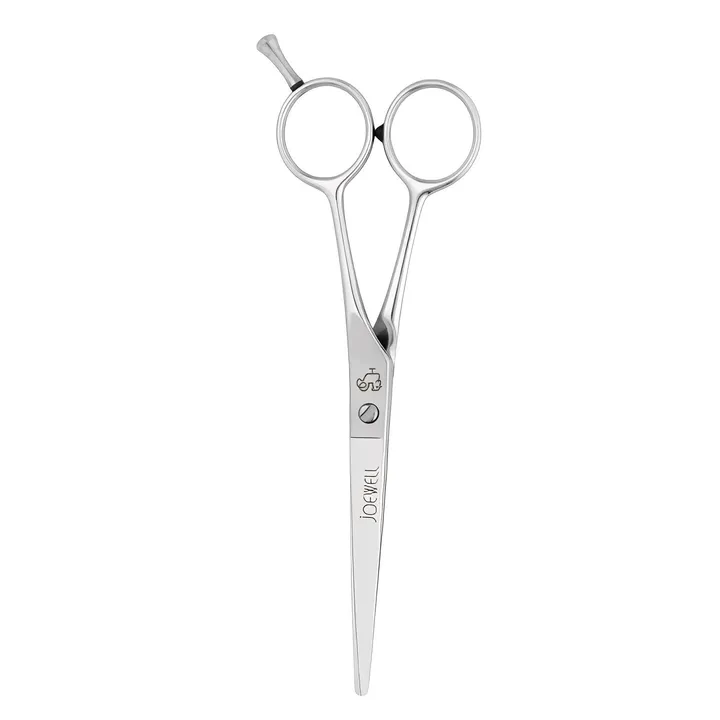
Barber scissor handle types explained: classic, offset, crane and swivel, how the ring layout differs, which cutting position each suits, and how to switch.
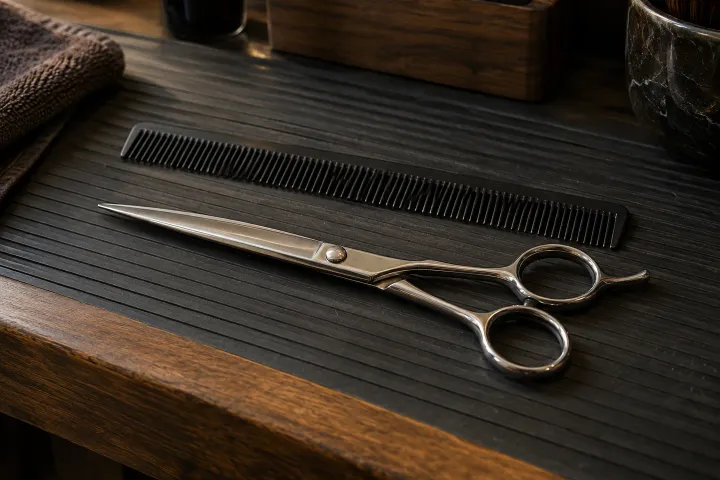
Barber scissor sizes from 5.0″ to 7.0″: how length is measured, how to measure your pair, and which size suits fades, detail and scissor-over-comb.
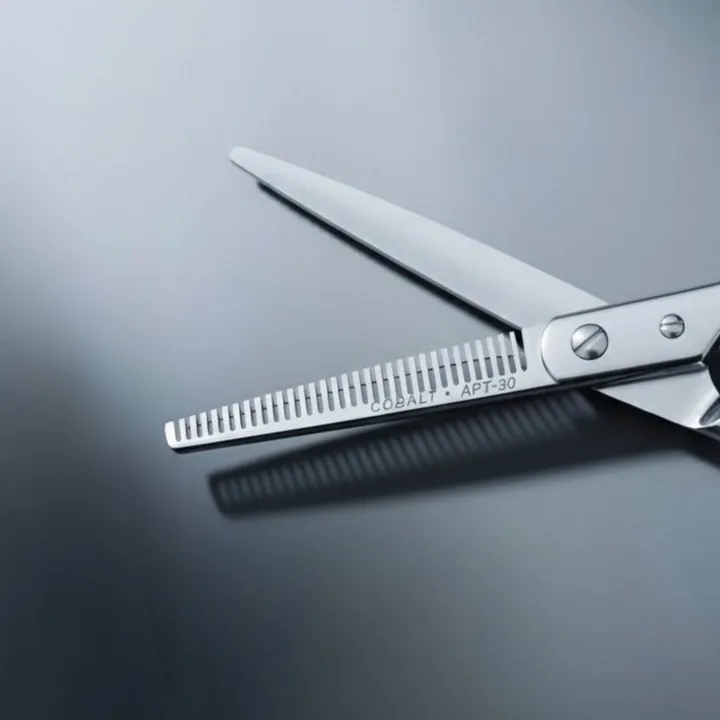
Barber scissor steel explained: 440C, VG-10, ATS-314, V10W and cobalt alloys, what HRC hardness means, the ranges on our shears, and where steel fits the decision.
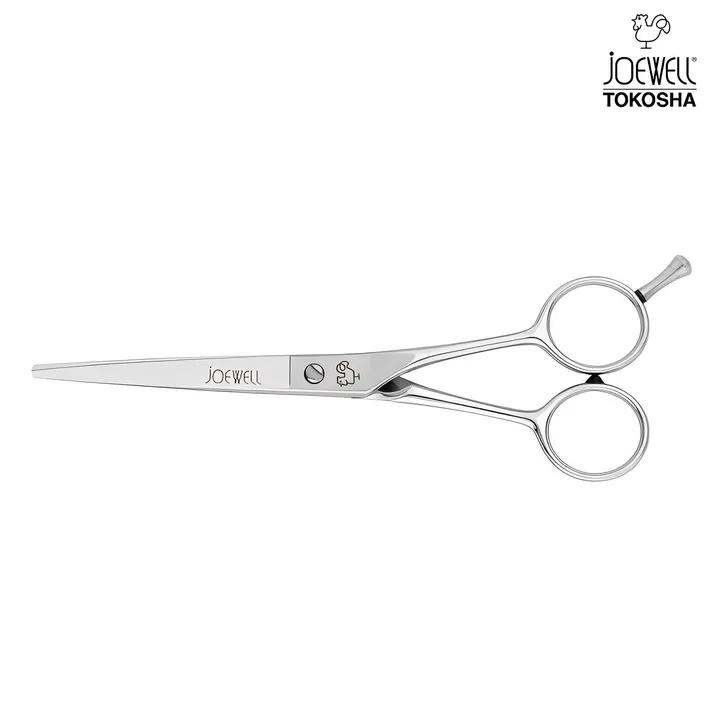
Barber shears vs hairdressing scissors: barbers run 6.5″ to 7.0″ for scissor-over-comb, hairdressers 5.0″ to 6.0″ for point and slide cutting. Steel can be the same.
Beard and moustache scissors explained: why the name is a purpose label, which length suits the body, cheek line and lip, and four specs to check.

Beard and neckline work with scissors: comb the beard out, set length with scissor over comb, shape the cheek and neck lines, then detail with a short pair.
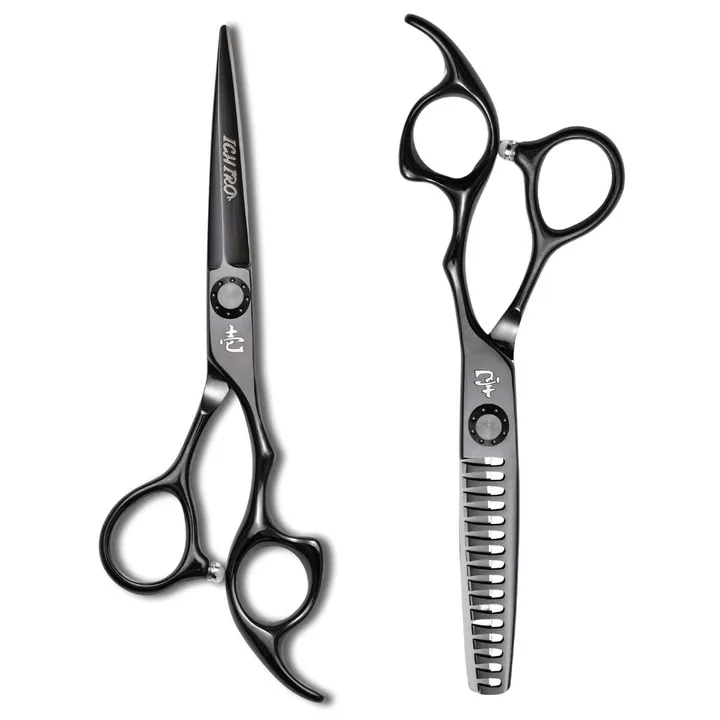
Black, rainbow, gold and rose gold barber scissors explained: what the finish changes, what it doesn't, how to care for coated shears and the models in stock.

A New Zealand barber's guide to buying scissors online: the model, size and hand details, returns and warranty pages, delivery and who to contact.
Choose barber scissor length by technique: 6.5″ to 7.0″ for over-comb, 6.0″ all-round, 5.0″ to 5.5″ for detail and neckline, 6.0″ for most thinners.
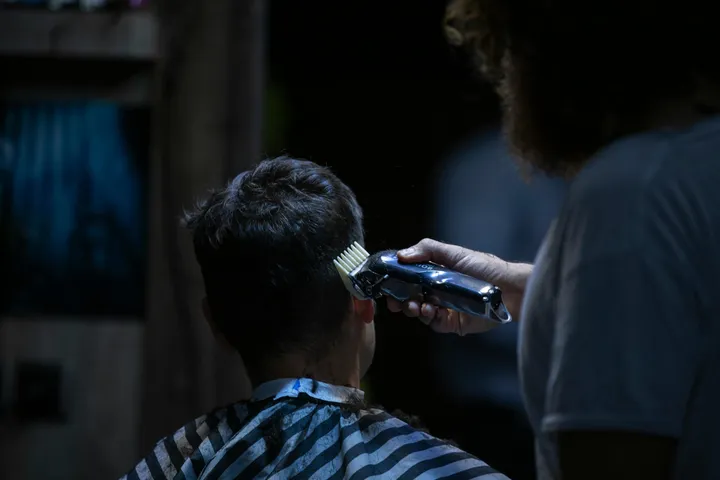
Clipper-over-comb vs scissor-over-comb: how each builds the line, plus speed, length range, control and where to hand over from clippers to scissors.
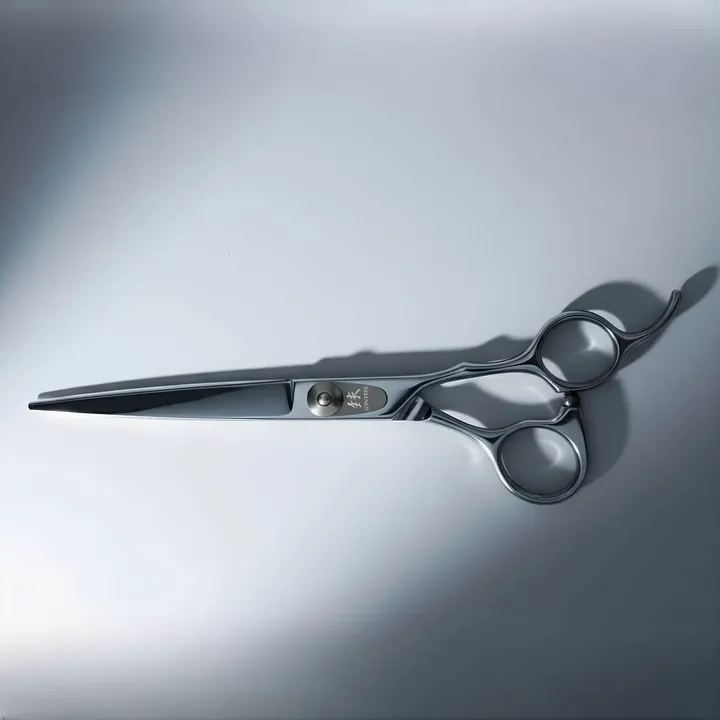
Convex vs bevel edge barber scissors: how each edge is ground, why convex slices and bevel grips, which suits slide cutting or dry scissor-over-comb, and servicing.
Taper, fade, textured crop, two-block and modern mullet in plain words, plus the job the scissors do in each cut and the one question to ask before you start.
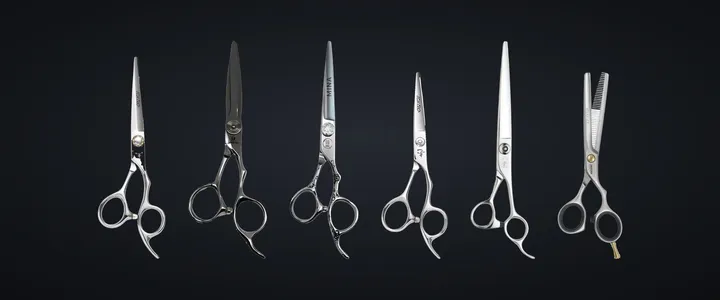
Fix six common blending mistakes with shears: the shelf, stripes, hole, scoop, lopsided side and a blend that changes once dry, with a repair for each.
Hair types 1A to 4C for barbers: what the grid describes, the five checks to make instead, and how pattern changes over-comb, fades and texturising.
Blend a fade with shears: find the weight line, work over the comb, soften it with a blender or point cutting, and check from three angles before you finish.
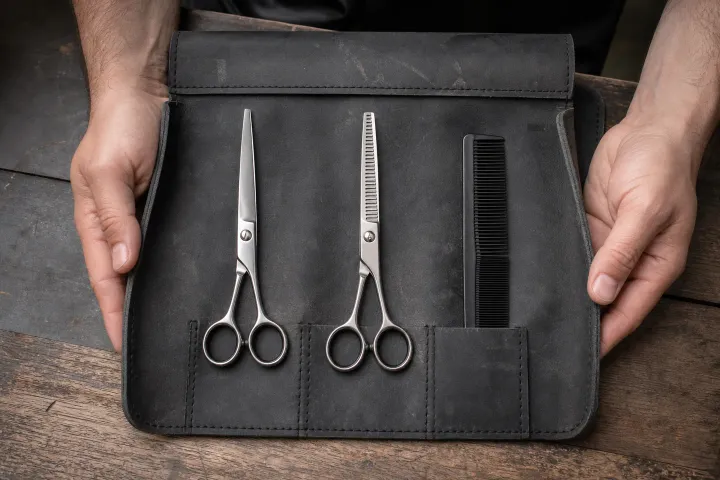
How to choose barber scissors: match length to your cutting, get the hand and handle right, pick convex or bevel, read steel and hardness, then buy by career stage.
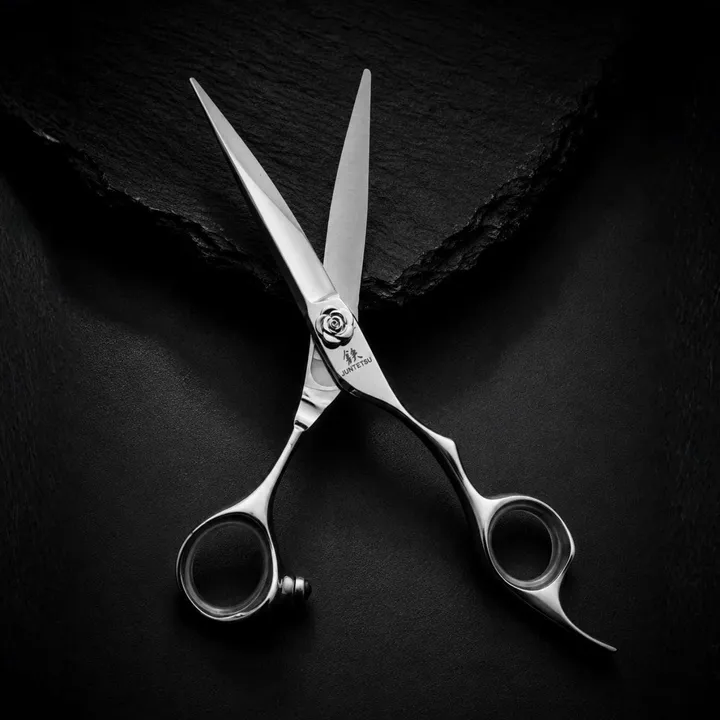
How to read a barber scissor product page: check hand and length first, then blade edge, steel and hardness, handle, tooth count and what is in the box.
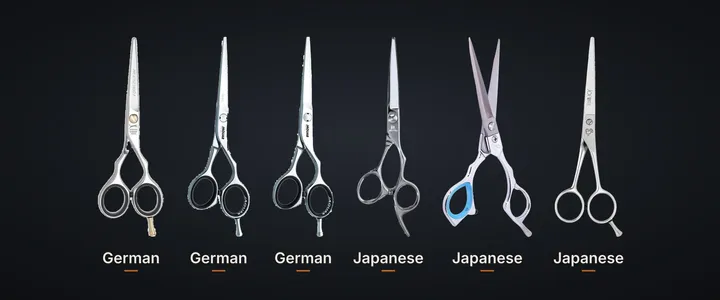
Choose between Japanese and German-made barber scissors without myths: edge, steel, handle, size and service decide the cut, and origin tells you far less.
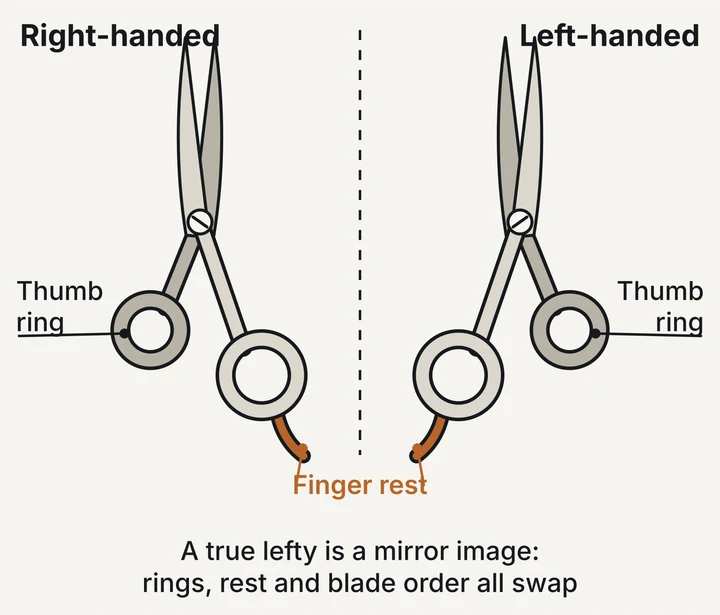
Left-handed barber scissors explained: why true lefty blades are reversed, why right-handed scissors fold hair in the left hand, and how to spot a true lefty.
A scissor plan for the modern mullet and wolf cut: map the zones, place the disconnect, layer the top, keep the back long and texture in small passes.
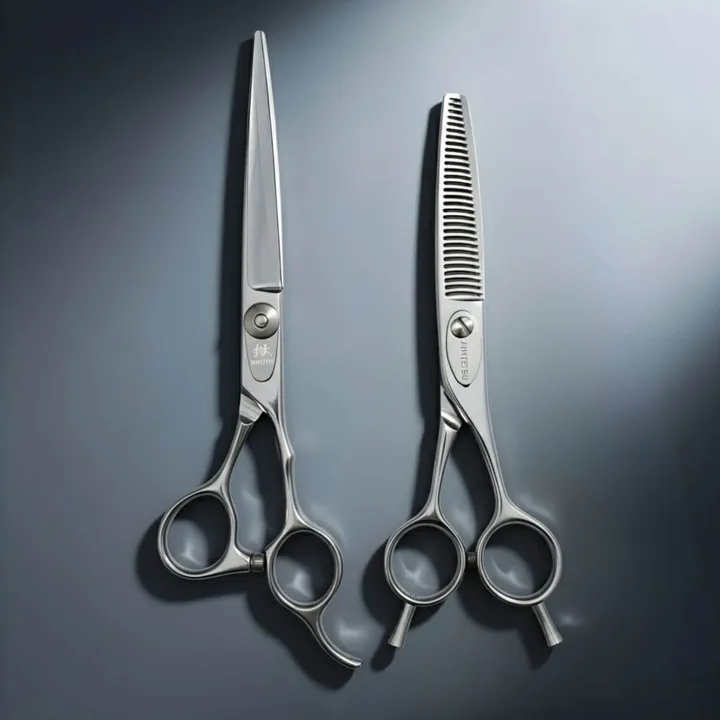
How to do scissor over comb in seven steps: set the comb, keep the blade parallel, cut as the comb travels, build the angle and cross-check the line.
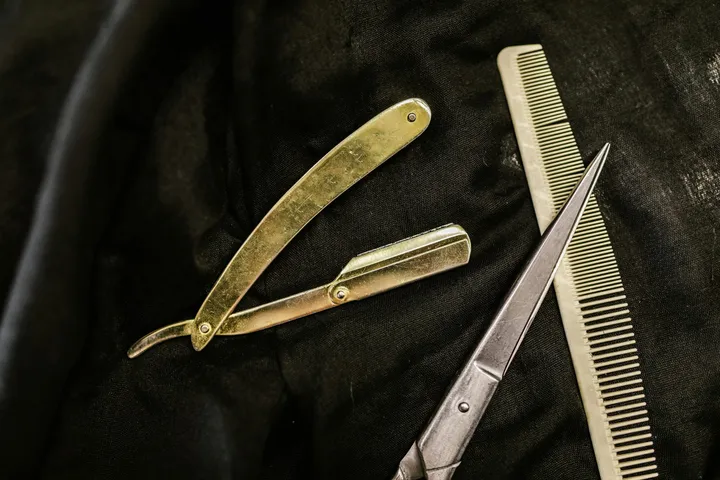
Barber scissor slang decoded: hair folder, crunchy, buttery, workhorse, daily driver, buy once cry once. What each phrase means and what to check on the pair.
Barber scissor tension screws and pivot systems explained: flat screws, coin-adjust Vario screws, tool-free dials, ball-bearing and dry-bearing pivots, plus a tension check.
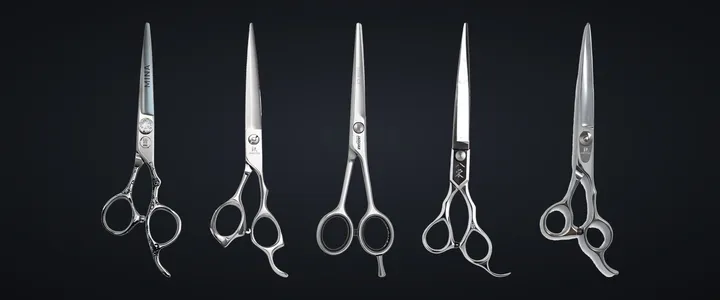
Five scissor-over-comb drills for barbers: comb-only run, closed-blade glide, counted rhythm, curve work and a repair pass, each with a pass mark.
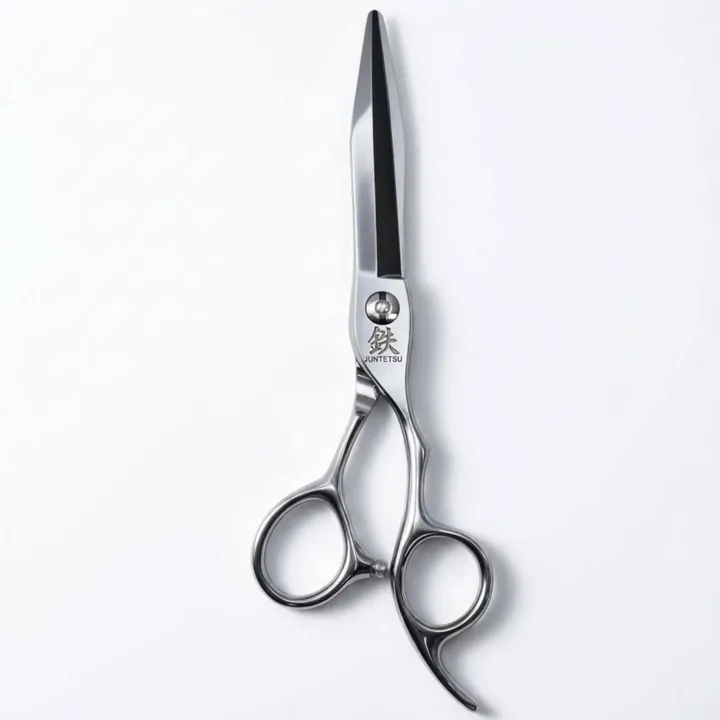
Where scissors fit in a fade: scissor-over-comb with a 6.5″ to 7.0″, point cutting the weight line, blending with a 30-tooth thinner and detail with a 5.5″.
Taper or fade? Learn how the two differ and how to build a taper with scissor-over-comb: neckline shapes, sideburns, step-by-step method and tool checks.
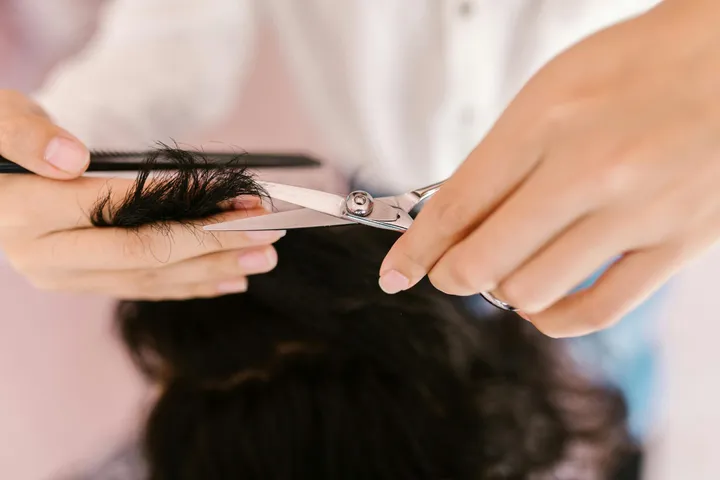
Cut a textured crop with scissors in seven steps: consult, set the sides, cut the fringe line, point cut the top, texture slowly, cross-check. Plus tool checks.
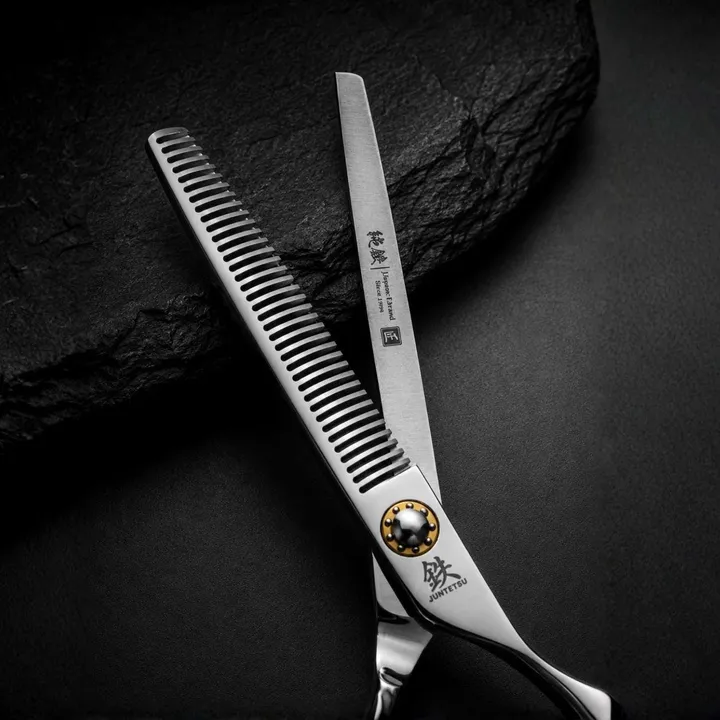
Texturising for barbers: four methods, which tool does which, how much hair to remove and the mistakes to avoid.
Thinning shears vs blenders: thinner is the family name, blender and texturiser are jobs set by tooth count. Compare 10 to 40 teeth and pick by cut.
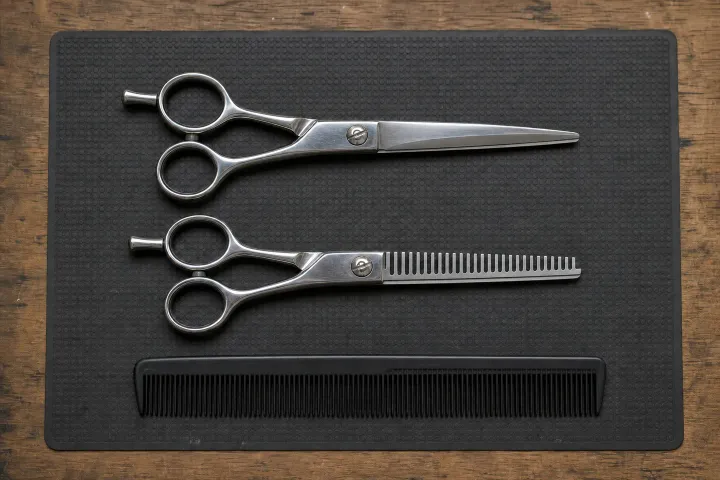
Thinning vs texturising scissors: how blenders, texturisers and chunkers differ by tooth count and shape, what each does to a haircut, and which to buy first.
Cut a two-block with scissors: section the head, place the step, set the lower block, shape the top, blend the edge of the break and cross-check the result.
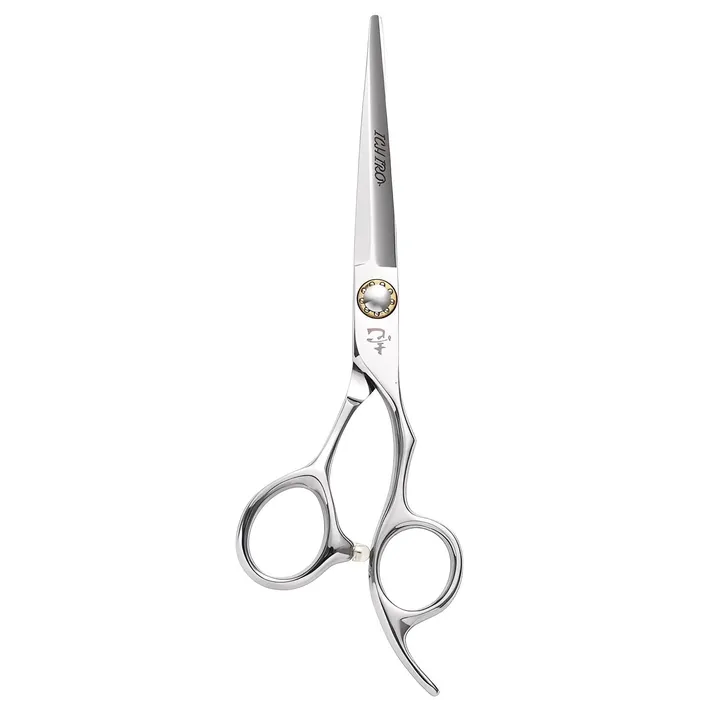
VG-10 vs 440C vs ATS-314 barber scissor steel compared on three 7.0″ offset sword-blade cutters: hardness, edge, price band and which barber each steel suits.
Where to buy barber scissors in Australia, New Zealand, the UK, USA, Canada, France and Italy: ShearAlliance stores by country and language, plus six checks.
Why professional barber scissors cost more: premium steel, heat treatment, convex edge grinding, blade fit, pivot hardware and finishing. And when to spend less.
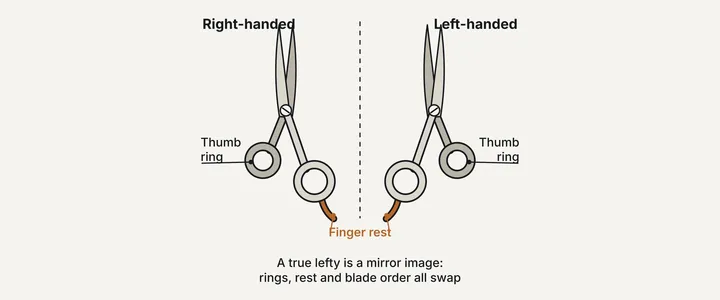
A working guide for left-handed barbers: mirror right-handed technique, set up the station, keep a left-handed cutter and thinner, and equip a mixed team.
Routine care, storage checks and service planning for the actual pair.
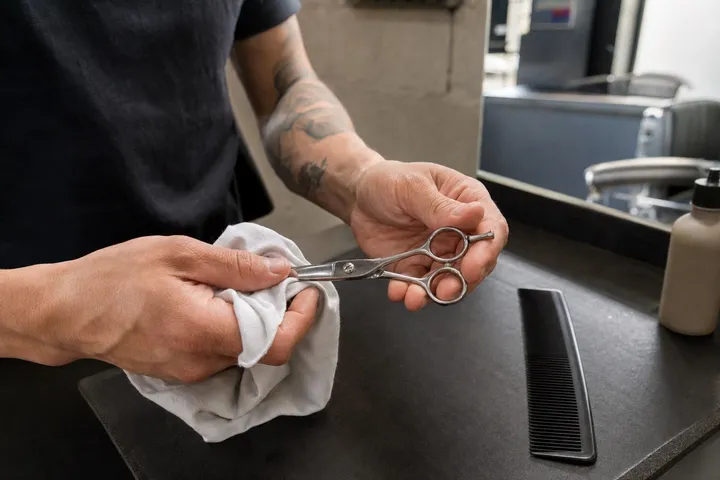
Every barber scissor care and servicing guide in one place: daily cleaning and oiling, tension, blunt scissors, sharpening, storage and humid climates.
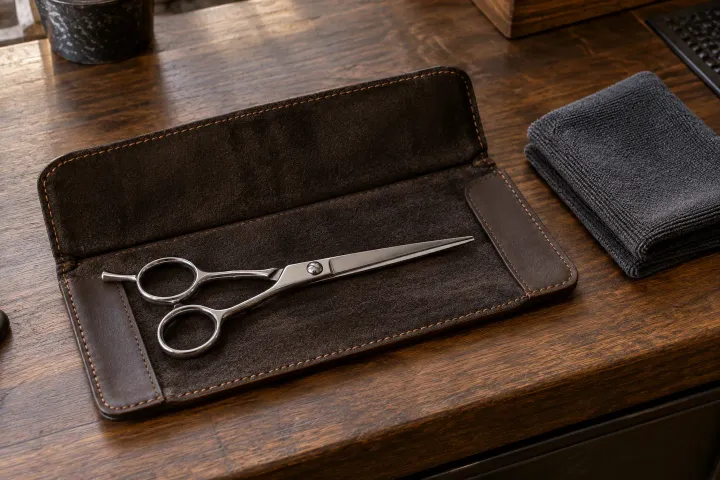
Barber scissor maintenance in a routine you can keep: wipe and dry after each client, oil the pivot daily, check tension weekly, store in a case and service on signs.
A scissor cleaning routine for between clients and at close: separate clean and used tools, wipe, clear the pivot, dry, oil, and follow official hygiene rules.
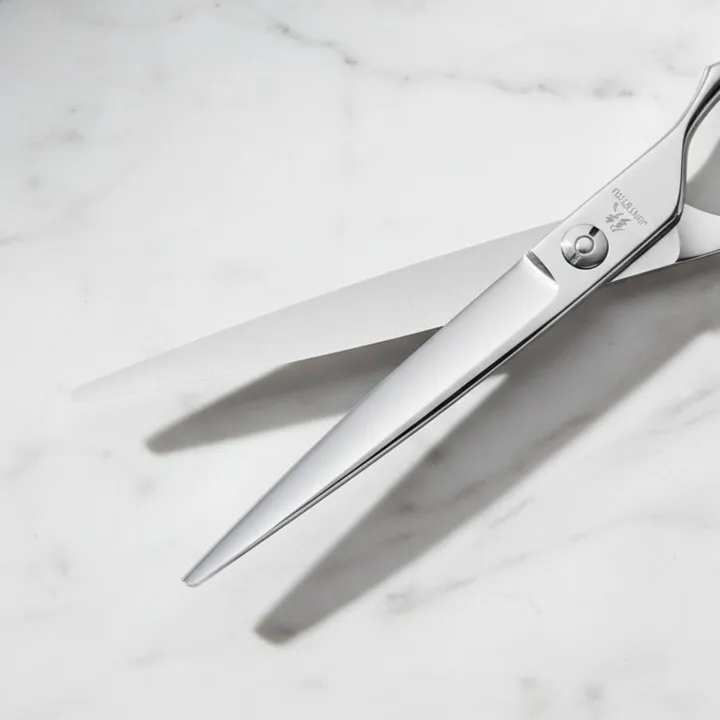
Hand scissors to a sharpener well: write a job note, ask about edge, tension and thinners, then check tips, edge shape and tension when the pair returns.
How to care for barber scissors in humid, coastal, tropical and dusty Australian shops: drying the pivot, oiling, salt air, wet-season kits and case care.
Barber scissor oil, tension and storage explained by symptom: stiff, loose, grating, folding or noisy. What to oil, what to adjust, and how to store the shear.
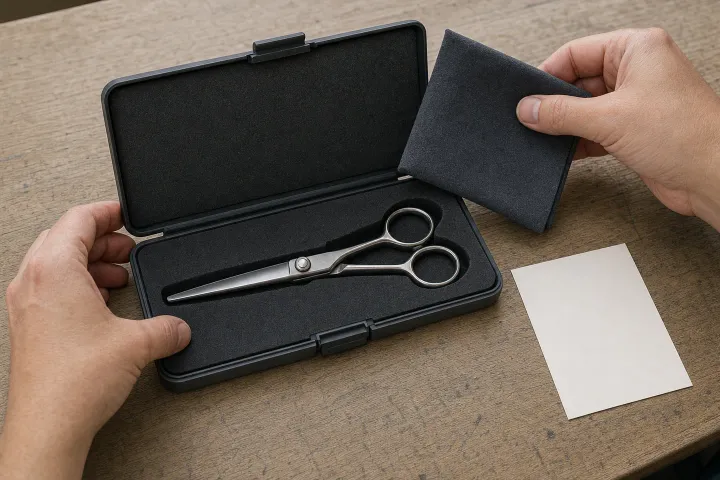
How to choose a scissor sharpening service in Australia: what a good sharpener does for convex shears, ten questions to ask, and how to post scissors safely.
Starter kits, budgets, and upgrade paths.
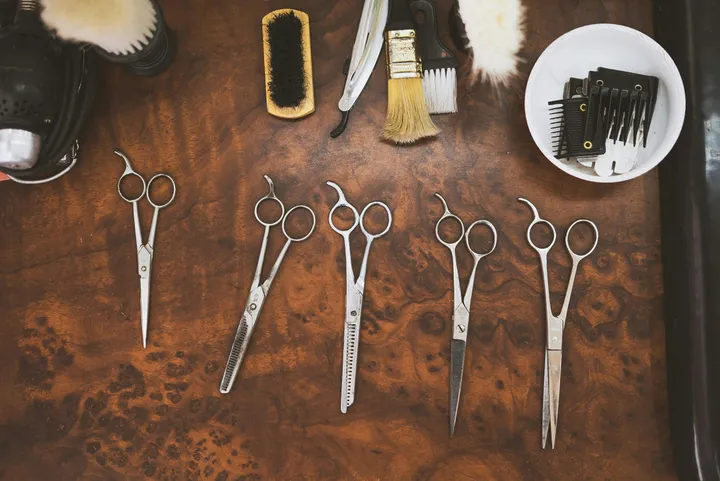
Set up an apprentice barber kit in week one: check the scissor, set tension, oil the pivot, case and label it, then build a practice routine and a care habit.
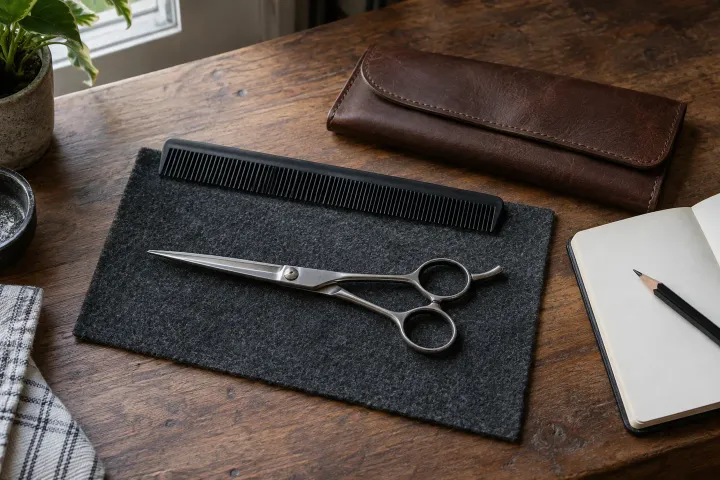
What to buy for your first barber scissor kit: a 6.0″ offset cutter, a 30-tooth thinner when blending starts, cutting combs and a case, with budget bands and picks.
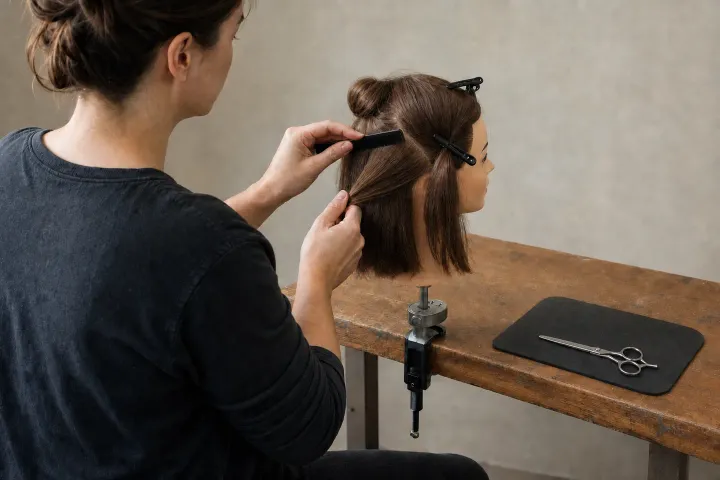
What to buy after your first barber scissor: a 30-tooth thinner for blending, a 6.5″ or 7.0″ for scissor-over-comb, or a backup for service days.
Plan shop purchases, compare complete baskets and arrange delivery.

How much barber scissors cost in Australia: what under A$200, A$200 to A$399, A$400 to A$699 and A$700-plus buys you, apprentice kit budgets and how to pay.
How barbershops treat scissors: personal pairs, the close-of-shift routine, shop rules after a drop, and what apprentices and owners pick up from the habits.
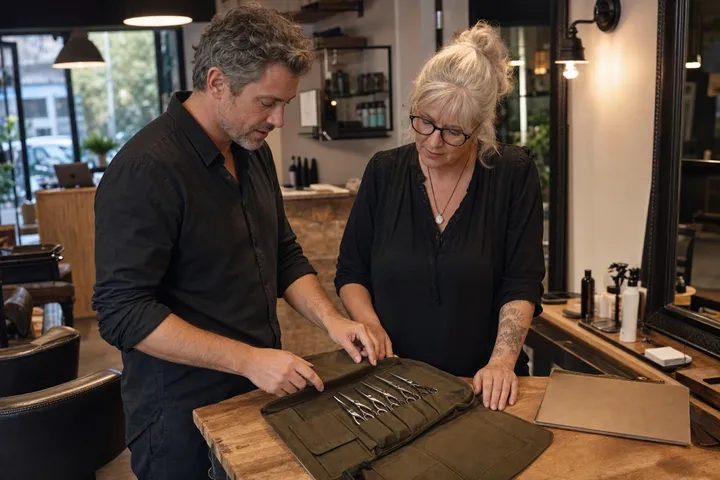
How to buy scissors for a barbershop: inventory the tools you have, write one brief per chair, cover left-handers, plan service backups and run shared stations.

How shop owners equip a barber team: matched cutters and thinners, a spare in each hand, assigned versus shared pairs, a service rotation and a simple tool log.
Tool anatomy, buying context and the terms used in a listing.
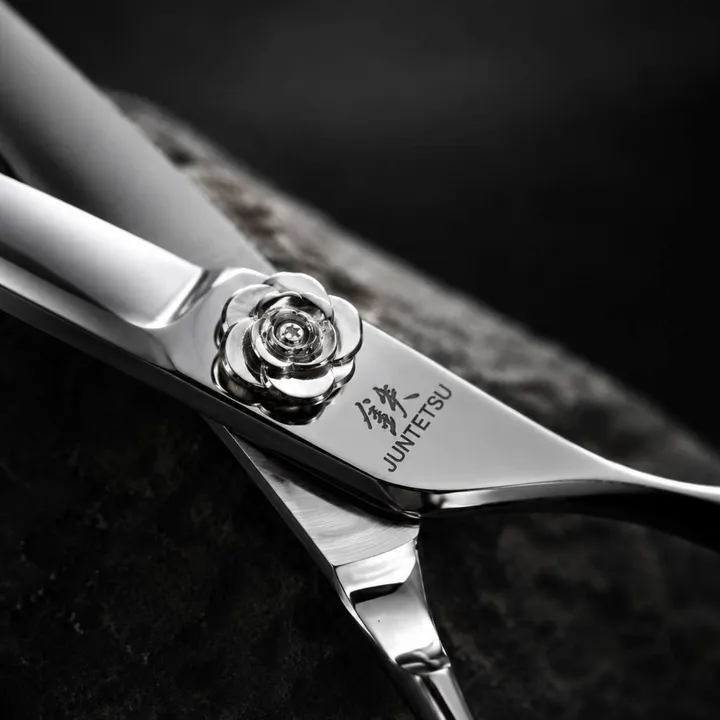
Eight barber scissor brands compared: Mina, Ichiro, Jaguar, Juntetsu, Yasaka, Joewell, Kasho and Kamisori by origin, price tier, steel and what each suits best.
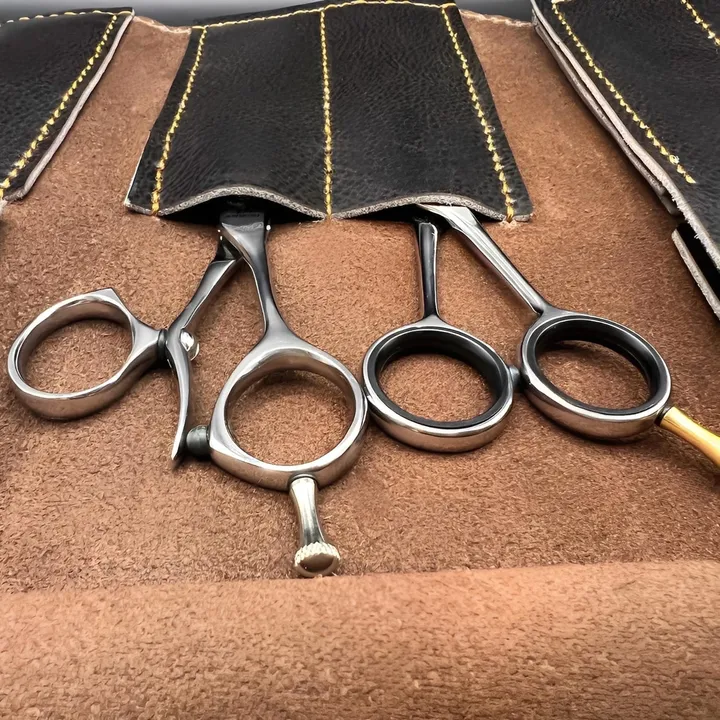
A mobile barber workflow from packing to pack-down: set up each stop, keep clean and used tools apart, protect scissors in transit and plan for a failure.
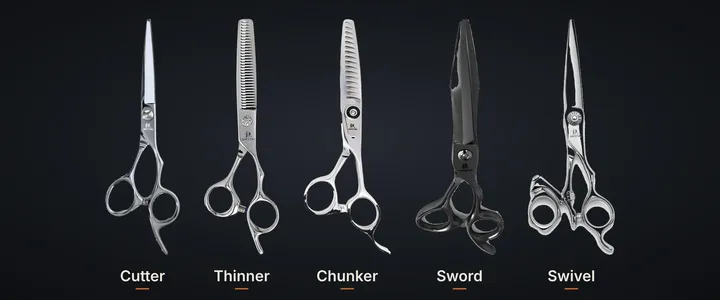
Barber lingo for tools and technique, decoded: blender, thinner, texturiser, tang, click tension, chipping in, disconnected. What each means and what to ask.
The best barber scissors for thick, fine and curly hair: which edge, blade length and thinner suit each hair type, with named picks for every job.

Barber consultation scripts and a six-question checklist: reference, length, edges, weight, styling and upkeep, plus phrases clients mean differently.
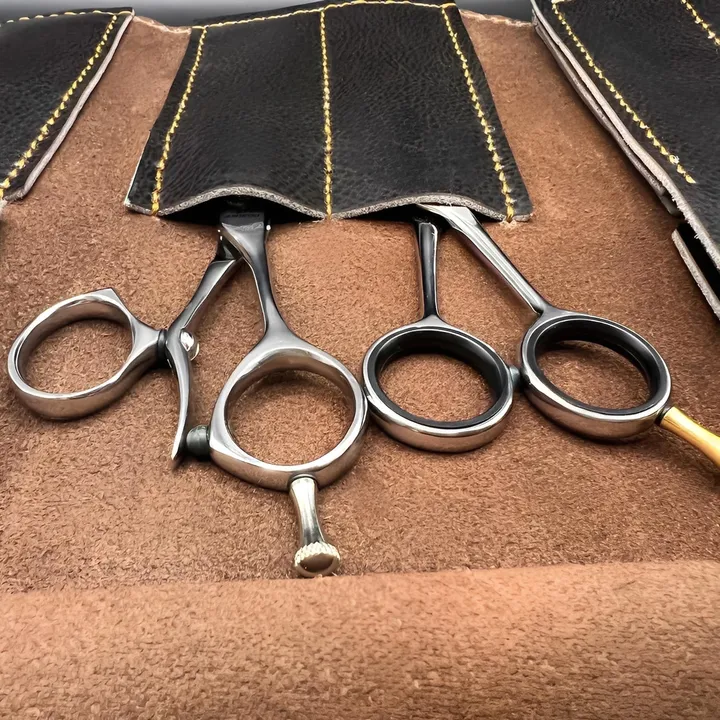
What to pack in a mobile barber kit: main cutter, backup, thinner, a closing case and care items, with a departure, arrival and end-of-day checklist.
The parts of barber scissors labelled: tips, still and moving blades, edge, ride line, hollow grind, pivot and tension screw, rings, inserts, finger rest and stopper.
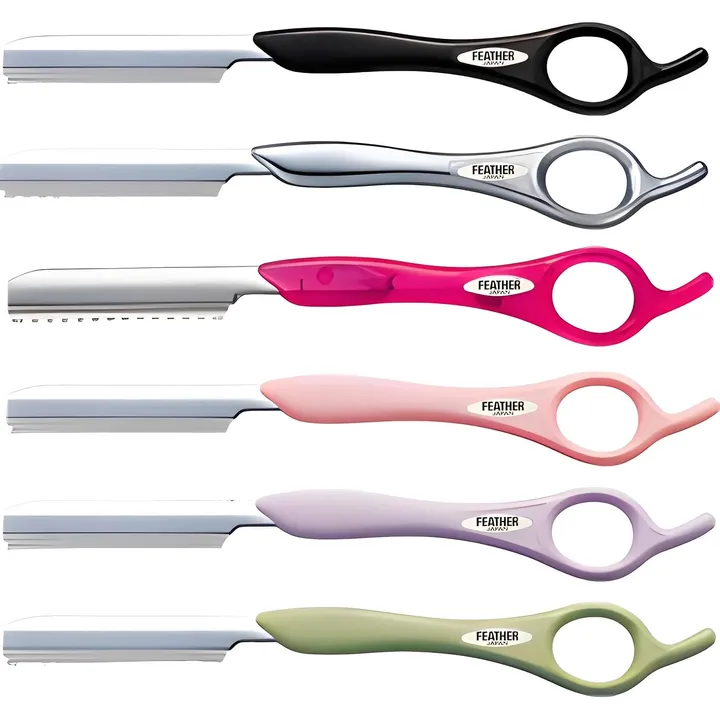
Barber razor basics: folding, styling and double-edge razors, open versus guarded edges, why the handle decides the blade, and safe handling and storage.
Scissors vs clippers for barbers: clippers set short even lengths fast, scissors give shape, texture and control. See which fits each part of a cut.
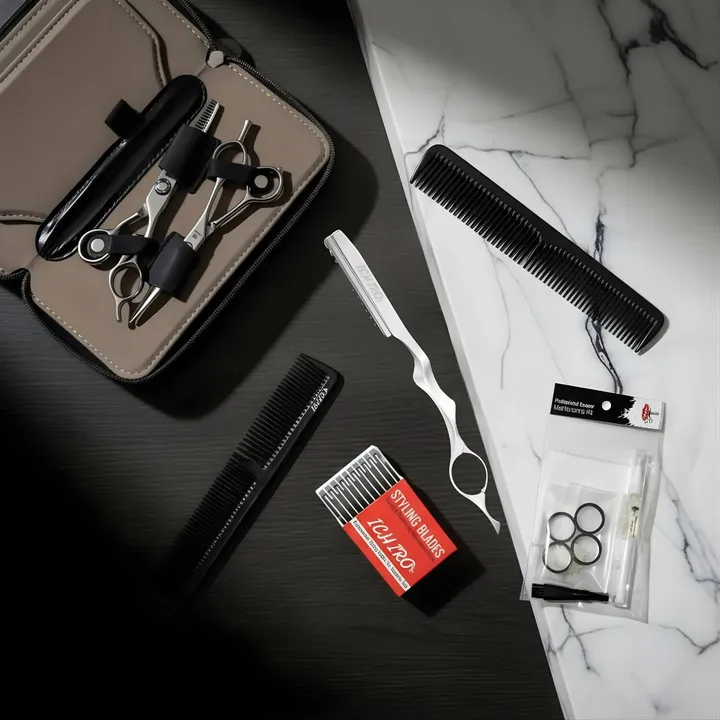
What a full barber shop kit contains and why: cutter, detail scissor, blender, combs, razor, care items and storage, with a build order by stage.


