Beard and Moustache Scissors: What the Tool Is Built For
What the label means, which length does which job, and the four specs to read before you buy.
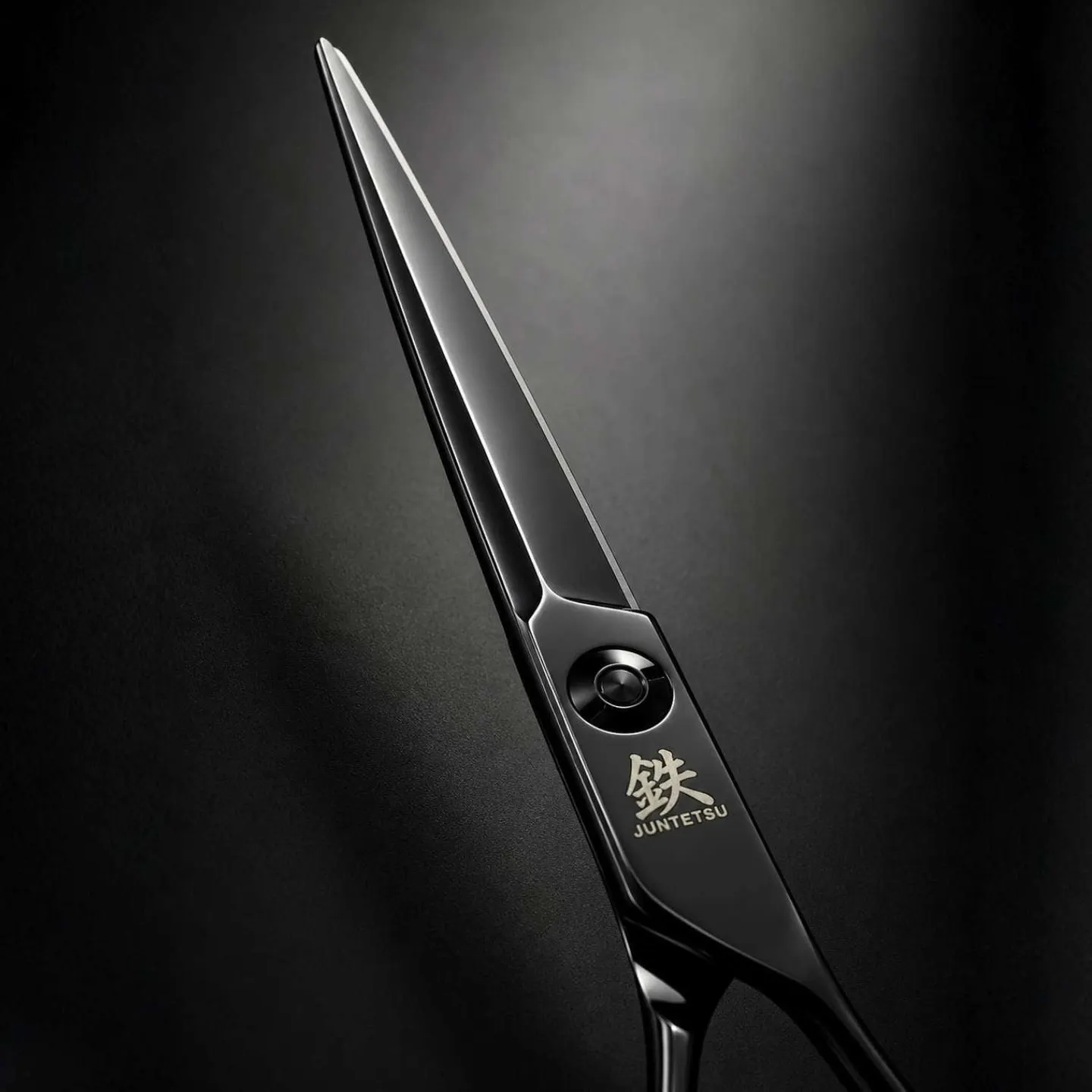
Quick answer
Beard and moustache scissors are a purpose label, not a standard class. The jobs are body length, the cheek line and the lip, and each suits a different overall length: 6.0″ to 7.0″, 5.0″ to 5.5″ and shorter. Read four specs: overall length, tip, edge and handle.
Top picks
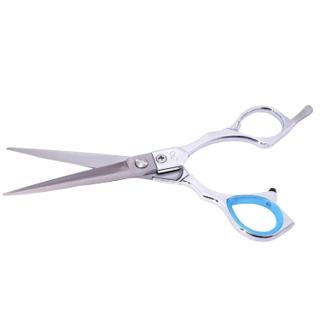
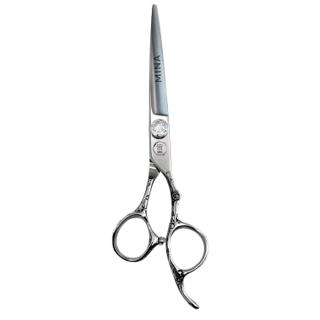
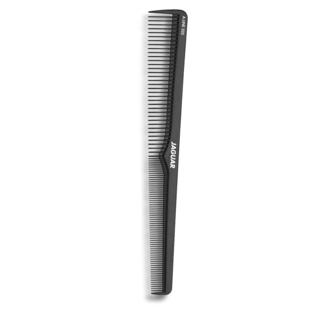
“Beard scissors” and “moustache scissors” are labels, not standards. They sit on short cutters that sellers and educators have pointed at facial hair, and the sizes overlap with the detail pairs used for ears and necklines. This guide explains what the tool is built for, so you can read the spec instead of the label.
The cutting method is in beard and neckline work with scissors. This page is about the tool: which length does which job and what to check on a pair.
Key takeaways
- The name is a purpose label. Two pairs sold as beard scissors can be quite different tools.
- Beard work splits into three jobs: body length, the cheek and neck lines, and the lip.
- Four specs decide fit: overall length, tip, edge and handle.
What are beard and moustache scissors?
They are short cutting scissors used on facial hair. Nothing in the name fixes a length, an edge or a handle, and the same 5.5″ cutter can appear under “detail”, “beard” or “moustache” depending on who is selling it. A pair for facial hair is a short, controllable cutter you can place a tip with.
That makes the label a starting point. If a listing says beard scissors, ask which job it is built for and check the whole-shear length, the tip and the edge.
Which length does which job?
Beard work splits into three jobs, and each asks for a different reach.
Scroll sideways to compare all columns.
| Job | Overall length | Why |
|---|---|---|
| Body of the beard | 6.0″ to 7.0″ | Covers more comb per pass, so length stays even |
| Cheek line and neckline | 5.0″ to 5.5″ | Tip control along a line |
| Moustache and lip | 4.5″ to 5.5″ | The shortest pair puts the tip where you want it |
A long cutter with a comb sets the body, and a short pair does the edges. Many barbers cover all three with two pairs. The length guide explains the lengths by technique, and the size guide shows how overall length is measured.
What four specs should you read?
- Overall length. Whole-shear length, not blade length. Check how the listing measures it before you compare sizes.
- Tip. On detail work the tip is the working part. Close the pair gently and look at the points: they should meet cleanly, so a short entry does not leave a ragged cut.
- Edge. A micro-serrated edge grips fine hair and holds it still. A convex edge is cleaner for a crisp line. The edge guide compares them.
- Handle. Classic, offset and crane handles sit the thumb and fingers differently. The handle guide describes the geometry. Fit is personal, so describe the shape rather than expect an outcome.
Handedness is a fifth check for left-handed barbers. A true left-handed pair is a mirror image, as the left-handed guide explains.
How does a beard pair differ from a head cutter?
Mostly by length and by how it is used. A head cutter for over-comb is long, because reach through a fade matters. A pair for the lip and cheek line is short, because tip placement matters. The blade geometry and steel follow the same rules either way, so the steel guide and the edge guide apply.
Hair type changes the work, not the tool class. Dense beards hold a line and show every step, so they ask for light passes. Curly beards spring up after cutting, so leave a little extra length. Neither needs a different class of scissor.
Does a fine blender belong in a beard kit?
It can. A fine-tooth blender softens a heavy line at the cheek or under the jaw without shortening the beard much, used in light passes. It is an option, not a requirement. The thinning shears versus blenders guide explains the names, since tooth count alone does not tell you how much a toothed shear removes.
When does a dedicated pair make sense?
A dedicated pair makes sense when beard work is a regular part of your day and the short pair is too often in use on the head. Until then, a detail cutter that you already own does the job. Keep the tips protected in a case between clients: the tips are the part that bends or chips if they are knocked. The cases guide covers carry options.
Common mistakes
- Buying by the label. “Beard scissors” tells you the seller’s intent, not the length or edge.
- One long pair for everything. Tip control around the lip comes from a shorter pair.
- Comparing blade length with whole-shear length. Check how the listing measures size.
- Ignoring the tip. If the points do not meet, short cuts leave ragged ends.
- Forgetting the comb. The comb sets the body length. The scissor only removes what stands above it.
Pick by stage
- Apprentice: one 5.5″ or 6.0″ cutter and a comb. It covers the body and the lines while you learn. See the apprentice kit setup.
- Working barber: add a 5.0″ or shorter pair for the lip and cheek line. The short scissor picks compare detail pairs.
- Upgrade: a premium convex short pair for the cleanest line, and a second comb.
For every barber guide in one place, use the knowledge base.
Further reading: Scissorpedia is an information website and a fellow member of the ShearAlliance.
Questions
Are beard scissors different from normal barber scissors?
There is no separate standard class. Beard, moustache and detail are purpose labels that sellers and educators apply to short cutters, and the sizes overlap. Judge a pair by its overall length, tip, edge and handle, not the name on the listing.
What size scissors suit a moustache?
The shortest pair you own. A 4.5″ to 5.5″ cutter puts the tip where you need it along the lip line. Overall length is whole-shear length, so check how a listing measures it before you compare sizes.
Can I use my normal haircutting scissors on a beard?
Yes, for the body of the beard. A 6.0″ to 7.0″ cutter with a comb sets length well. Keep a shorter pair for the cheek line, neckline and lip, where tip control matters more than reach.
Do I need a dedicated beard pair?
Not to start. Many barbers use their detail cutter for beards. A dedicated pair earns its place when you do enough beard work that the shorter pair is rarely free for the head.