Texturising & Thinning Shears
Tooth counts, tool jobs, and technique guardrails — without the invented percentages.
By James Adams Updated
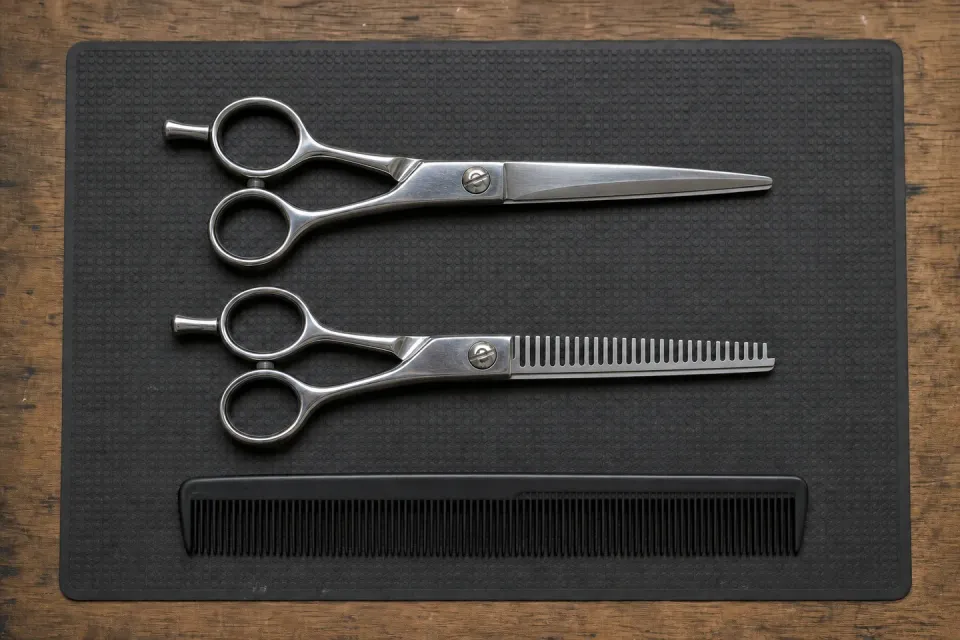
A texturising shear removes some hair from a section while leaving the rest. The result depends on the tooth shape, hair, section size and number of passes. Start with the job, then compare the actual tool.
Choose The Tooth Count
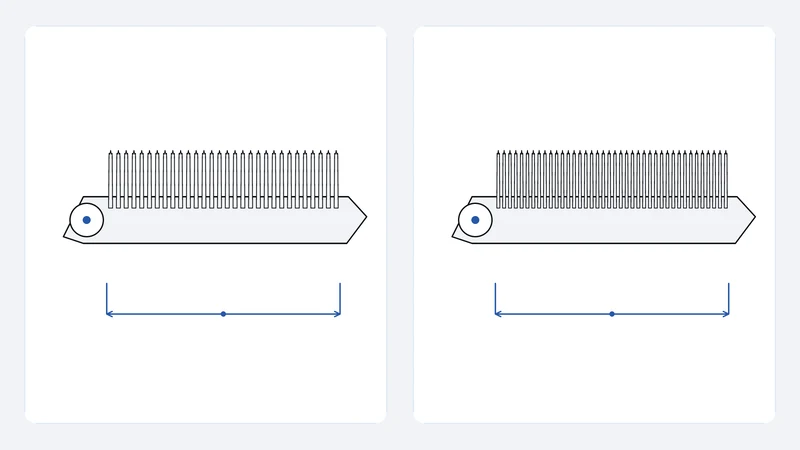
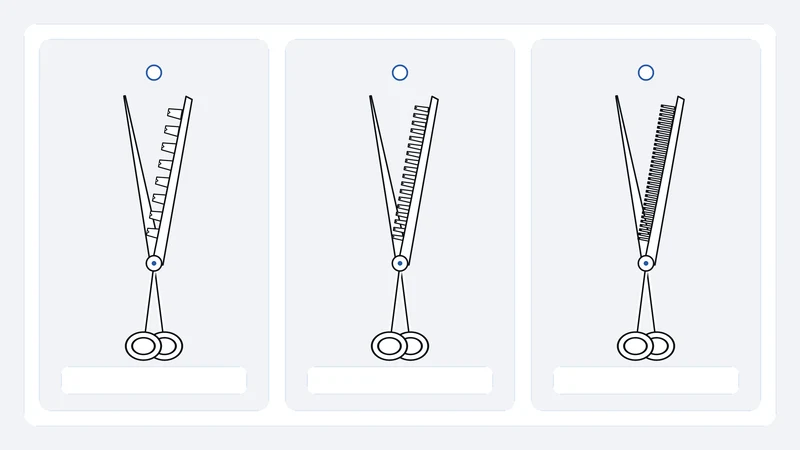
- Fewer, wider teeth: stronger weight removal and visible separation. Useful on dense sections when you want texture you can see.
- Middle counts: a working choice for softening a join or taking out some bulk.
- More, finer teeth: a more gradual pass for subtle finishing.
Tooth count is a guide, not a fixed percentage of hair removed. Compare the listed variants in the thinning shear range and use fewer passes until you know how a tool behaves.
Work In Passes
Build the main shape with your cutter first. Take a controlled section, make one texturising pass, comb it out and look at the result in the haircut. Move to another area before deciding whether the first needs more. That short pause is what keeps weight removal intentional.
A chunker is a different tool from a fine blender. Keep both out of the kit until a regular job calls for each. The first-kit guide covers buying order.
Care For The Teeth
Clear trapped hair from the tooth spaces after use. Wipe and dry the shear, care for its pivot as directed, and store it closed in a case. If it starts pulling, use a professional sharpener who works on thinning shears.