Apprentice
You are about to buy your first pair, or you have one and want to use it well.
Choosing, using and looking after barber scissors, thinners and razors, in one place. Pick the path closest to your job, or go straight to the topic map.
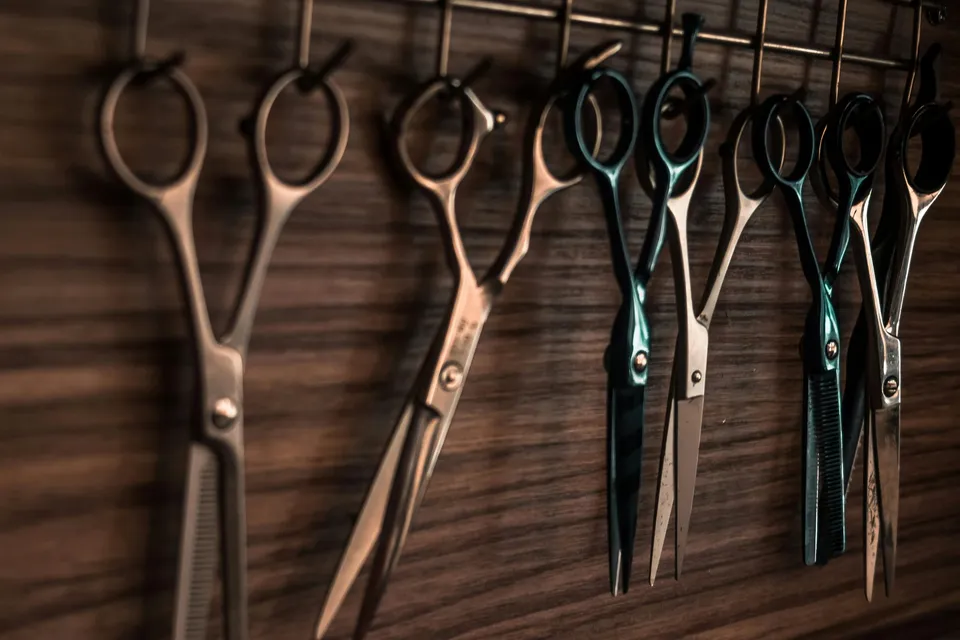
The BarberScissors knowledge base is the map to our guides, Top 10 lists and care pages for barber scissors, thinners and razors. It is written for apprentices, working barbers and shop owners in Australia, and for readers in New Zealand or overseas who want the tool explained before they buy.
Last updated 10 November 2026.
The BarberScissors knowledge base is the part of the site that explains the tool instead of selling it. Each page answers one question in plain words, in the order a barber meets it: pick the job, pick the pair, use it, keep it cutting.
It is for apprentices choosing a first kit, working barbers fine-tuning a station, shop owners buying for several chairs, and readers in New Zealand or overseas who want the same explanation before they buy. Where a page names a pair, it links the product so you can check the specs yourself.
Three kinds of page sit inside it. Guides explain one part of the tool, such as edges, steel or tension. Top 10 lists compare named pairs by job. Care and help pages cover the routine, sharpening and the questions that come up after you buy. The reviews and content page says how we write and review them.
Four short reading paths. Each begins with the page that answers the first question you are likely to have.
You are about to buy your first pair, or you have one and want to use it well.
You cut every day and want the right pair for the job, kept in cut.
You buy for more than one chair and want it to hold up.
Our checkout delivers within Australia. The guides still apply to any pair, wherever you buy it.
Every topic below says in one line what it covers and lists the pages to read, newest additions included.
Start from the job, then length, hand and handle. Steel and finish come last.
The cuts where the scissors earn their place: scissor over comb, the finishing pass on a fade and the blend at a transition.
Wipe, oil, check the tension, store closed. Sharpen when hair folds at the right tension, not on a calendar.
Styling razors for line-ups, napes and razor texturising, and the blades that go in them.
BarberScissors delivers to Australian addresses. New Zealand and other readers are pointed to the ShearAlliance member for their country.
What a first kit needs, what to add second, and how a shop buys for more than one chair.
Quick answers, and the terms on a spec sheet in plain words.
Named pairs compared by job. Each list says how it was chosen, so you can judge it against your own work.
Outside reading, other scissor websites and the ShearAlliance are collected at the foot of this page, under further reading. The ShearAlliance page says which member to use for stylist work, other countries and learning the tool.
Every guide tagged for the knowledge base, newest first.

A New Zealand barber's guide to buying scissors online: the model, size and hand details, returns and warranty pages, delivery and who to contact.
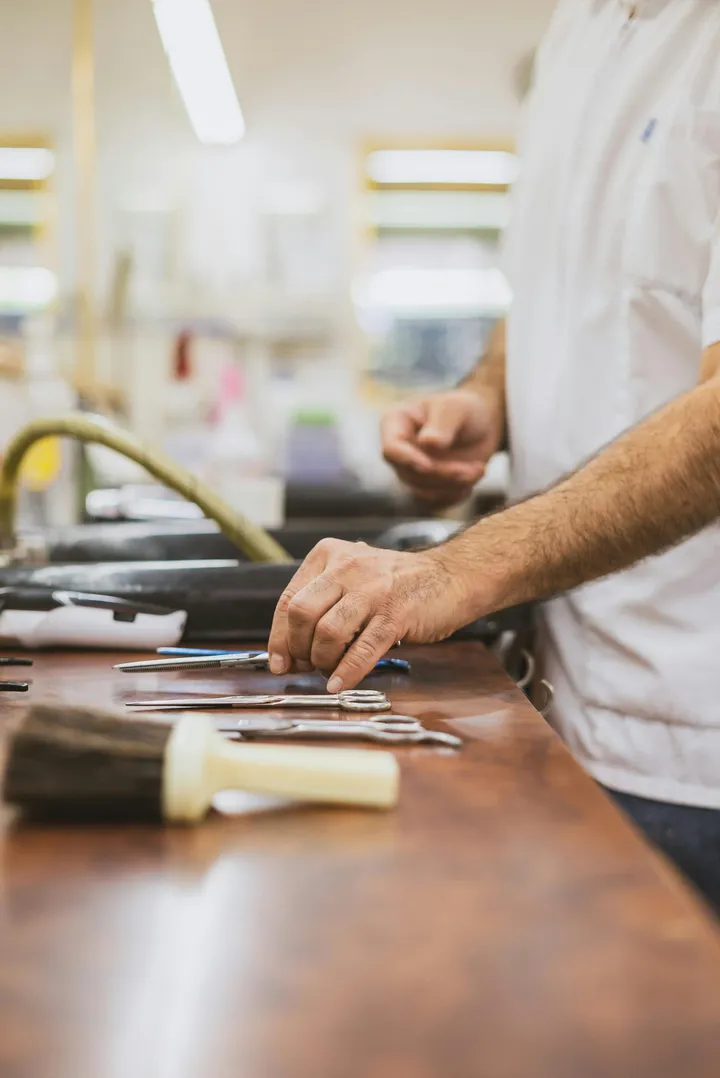
Where to buy barber scissors in Australia, New Zealand, the UK, USA, Canada, France and Italy: ShearAlliance stores by country and language, plus three checks.
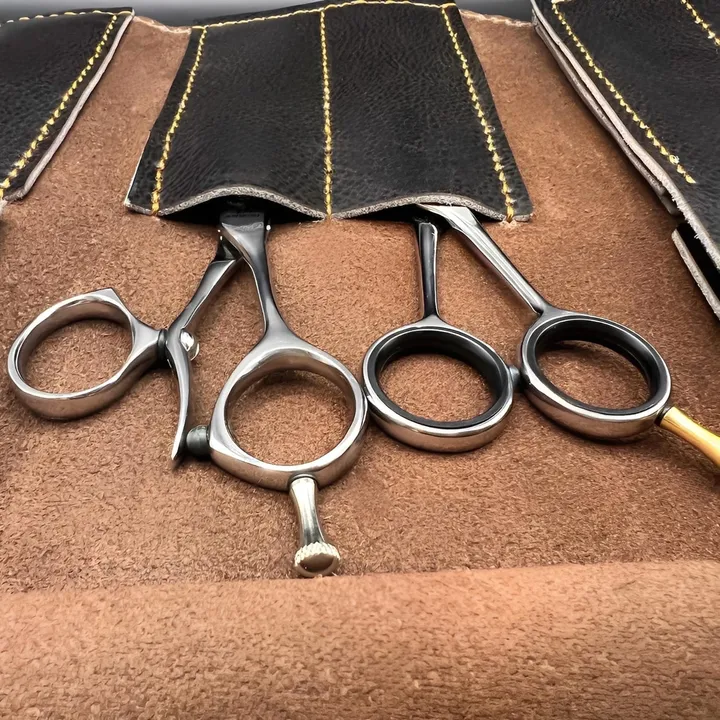
A mobile barber workflow from packing to pack-down: set up each stop, keep clean and used tools apart, protect scissors in transit and plan for a failure.
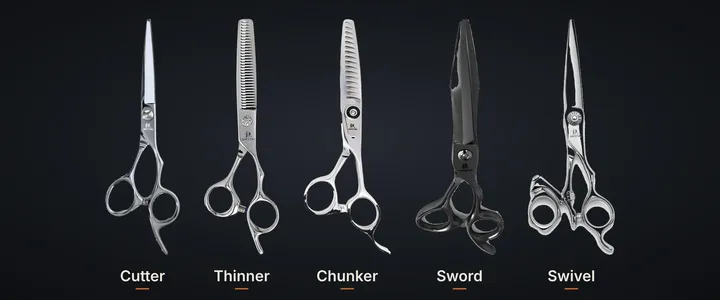
Barber lingo for tools and technique, decoded: blender, thinner, texturiser, tang, click tension, chipping in, disconnected. What each means and what to ask.
A barber scissor glossary: plain one-sentence definitions of steel, edge, handle, pivot, thinner, scissor-over-comb and razor terms, each with its own link.

How barbershops treat scissors: personal pairs, the close-of-shift routine, shop rules after a drop, and what apprentices and owners pick up from the habits.
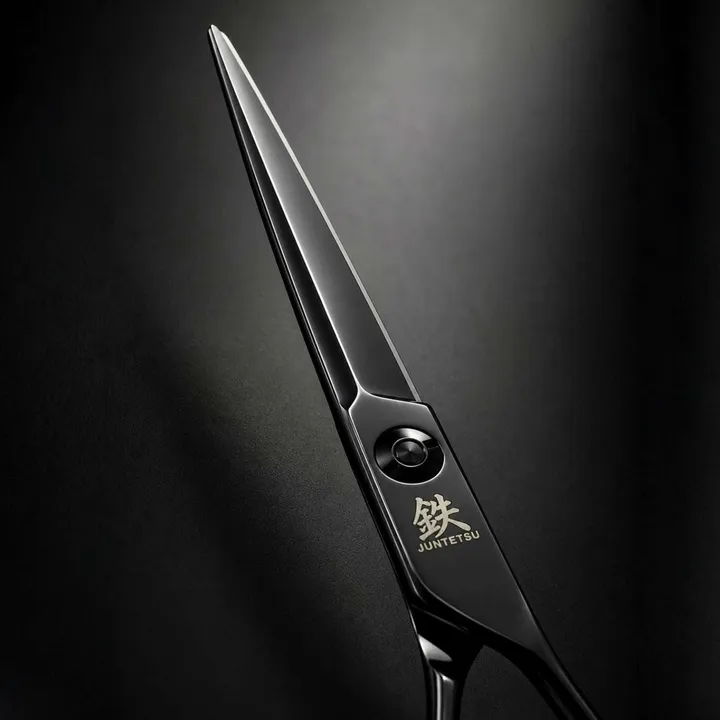
Beard and moustache scissors explained: why the name is a purpose label, which length suits the body, cheek line and lip, and four specs to check.
Beard and neckline work with scissors: comb the beard out, set length with scissor over comb, shape the cheek and neck lines, then detail with a short pair.
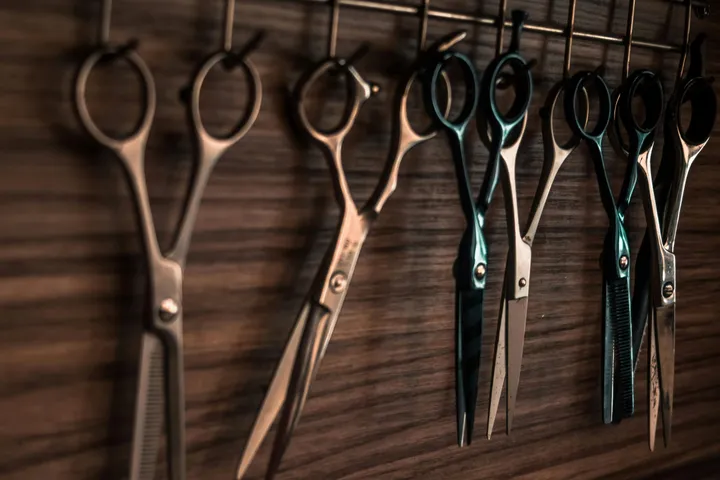
Choose barber scissor length by technique: 6.5″ to 7.0″ for over-comb, 6.0″ all-round, 5.0″ to 5.5″ for detail and neckline, 6.0″ for most thinners.
A scissor cleaning routine for between clients and at close: separate clean and used tools, wipe, clear the pivot, dry, oil, and follow official hygiene rules.

Barber consultation scripts and a six-question checklist: reference, length, edges, weight, styling and upkeep, plus phrases clients mean differently.
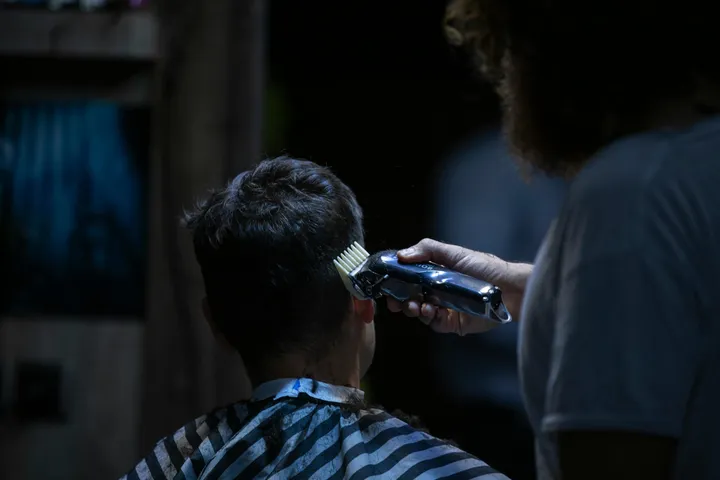
Clipper-over-comb vs scissor-over-comb: how each builds the line, plus speed, length range, control and where to hand over from clippers to scissors.
Taper, fade, textured crop, two-block and modern mullet in plain words, plus the job the scissors do in each cut and the one question to ask before you start.

How shop owners equip a barber team: matched cutters and thinners, a spare in each hand, assigned versus shared pairs, a service rotation and a simple tool log.
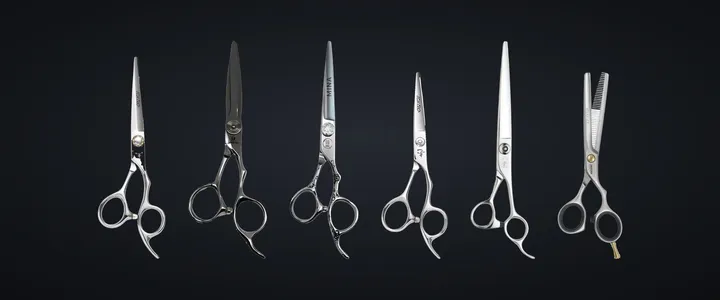
Fix six common blending mistakes with shears: the shelf, stripes, hole, scoop, lopsided side and a blend that changes once dry, with a repair for each.
Hair types 1A to 4C for barbers: what the grid describes, the five checks to make instead, and how pattern changes over-comb, fades and texturising.
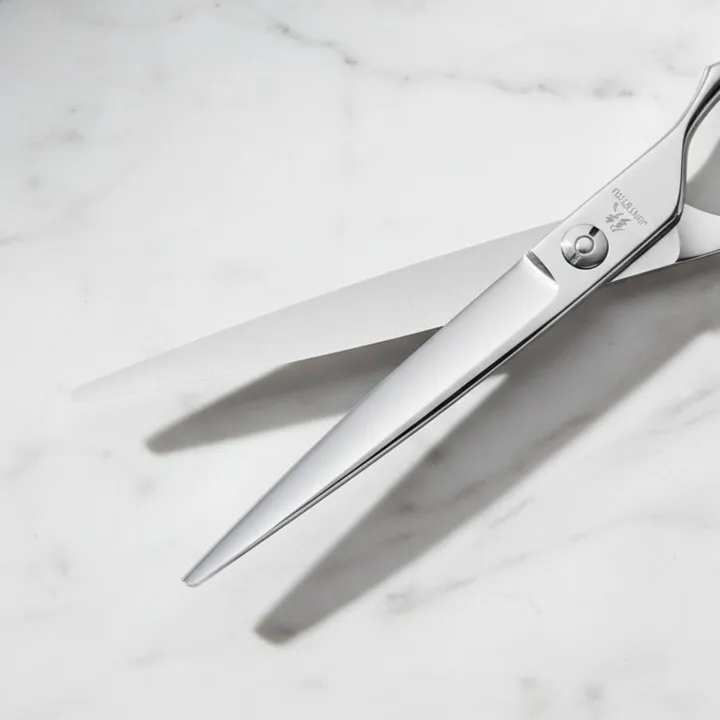
Hand scissors to a sharpener well: write a job note, ask about edge, tension and thinners, then check tips, edge shape and tension when the pair returns.
Blend a fade with shears: find the weight line, work over the comb, soften it with a blender or point cutting, and check from three angles before you finish.
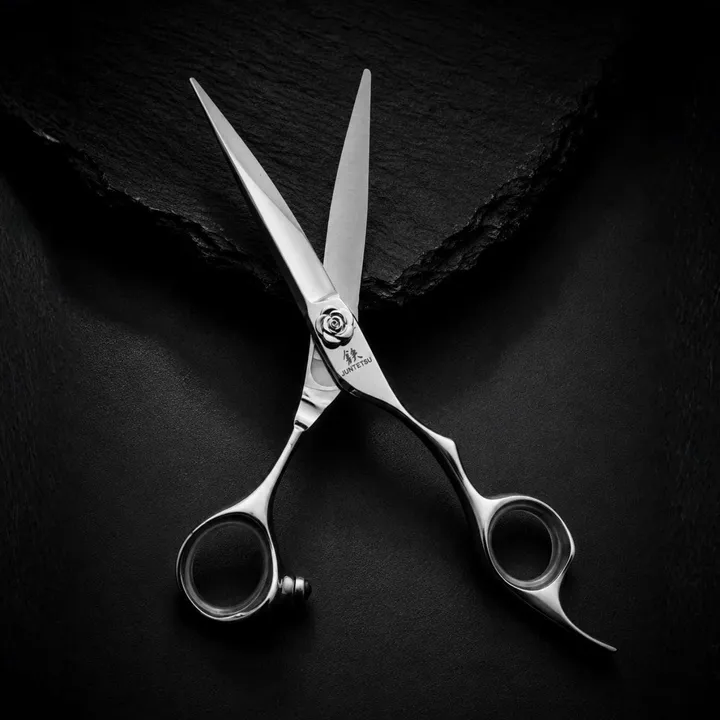
How to read a barber scissor product page: check hand and length first, then blade edge, steel and hardness, handle, tooth count and what is in the box.
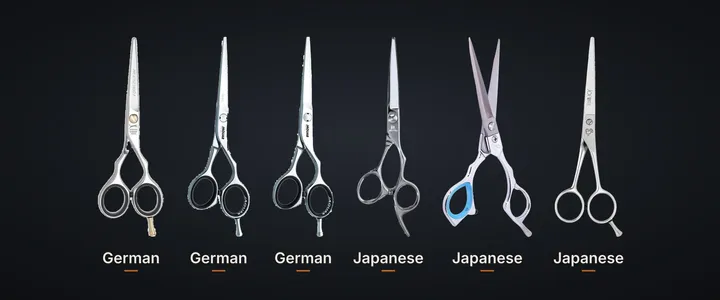
Choose between Japanese and German barber scissors without myths: edge, steel, handle, size and service decide the cut, and origin tells you far less.
A scissor plan for the modern mullet and wolf cut: map the zones, place the disconnect, layer the top, keep the back long and texture in small passes.
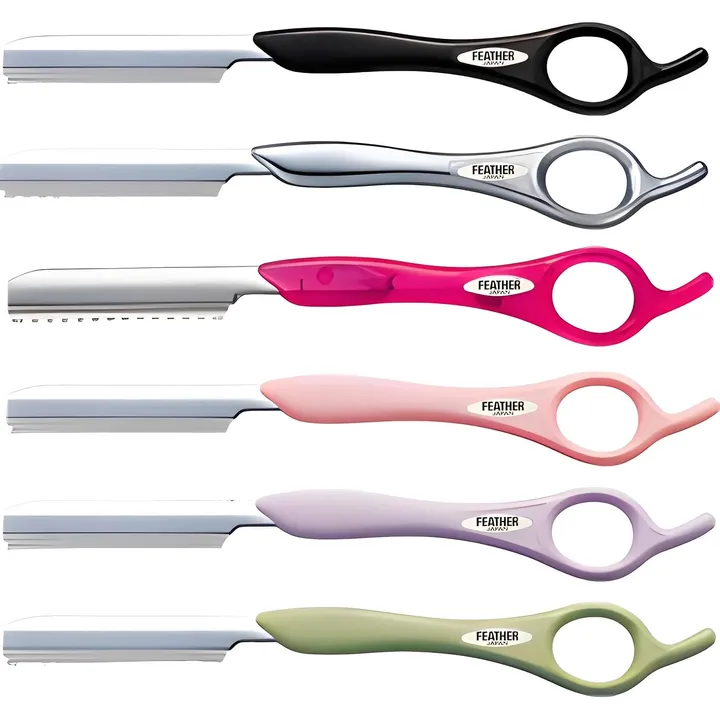
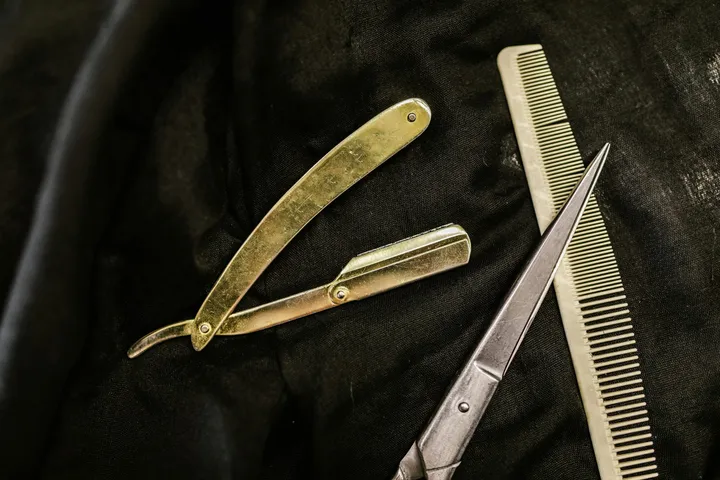
Barber razor basics: folding, styling and double-edge razors, open versus guarded edges, why the handle decides the blade, and safe handling and storage.
Barber scissor oil, tension and storage explained by symptom: stiff, loose, grating, folding or noisy. What to oil, what to adjust, and how to store the shear.
How to do scissor over comb in seven steps: set the comb, keep the blade parallel, cut as the comb travels, build the angle and cross-check the line.
Barber scissor slang decoded: hair folder, crunchy, buttery, workhorse, daily driver, buy once cry once. What each phrase means and what to check on the pair.
Five scissor-over-comb drills for barbers: comb-only run, closed-blade glide, counted rhythm, curve work and a repair pass, each with a pass mark.
Scissors vs clippers for barbers: clippers set short even lengths fast, scissors give shape, texture and control. See which fits each part of a cut.
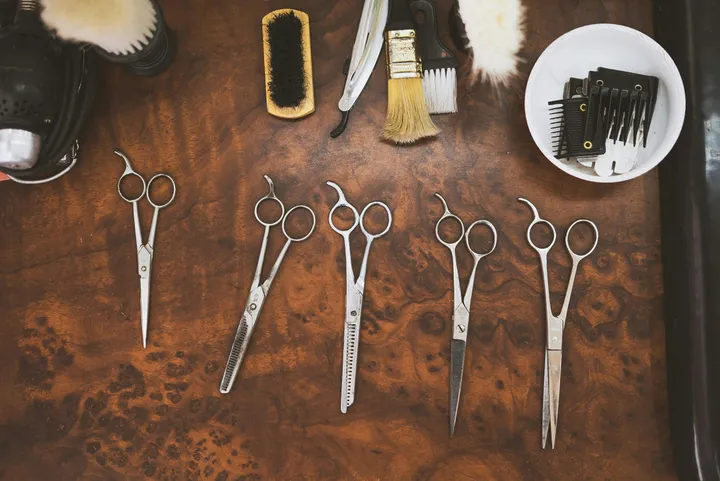
Set up an apprentice barber kit in week one: check the scissor, set tension, oil the pivot, case and label it, then build a practice routine and a care habit.
Taper or fade? Learn how the two differ and how to build a taper with scissor-over-comb: neckline shapes, sideburns, step-by-step method and tool checks.
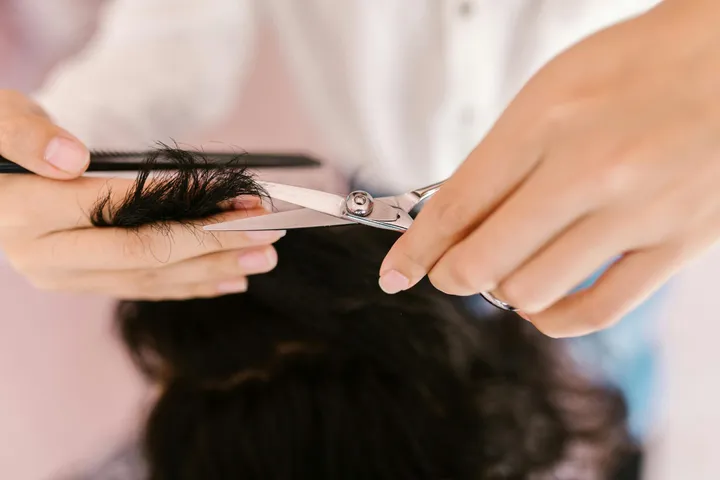
Cut a textured crop with scissors in seven steps: consult, set the sides, cut the fringe line, point cut the top, texture slowly, cross-check. Plus tool checks.
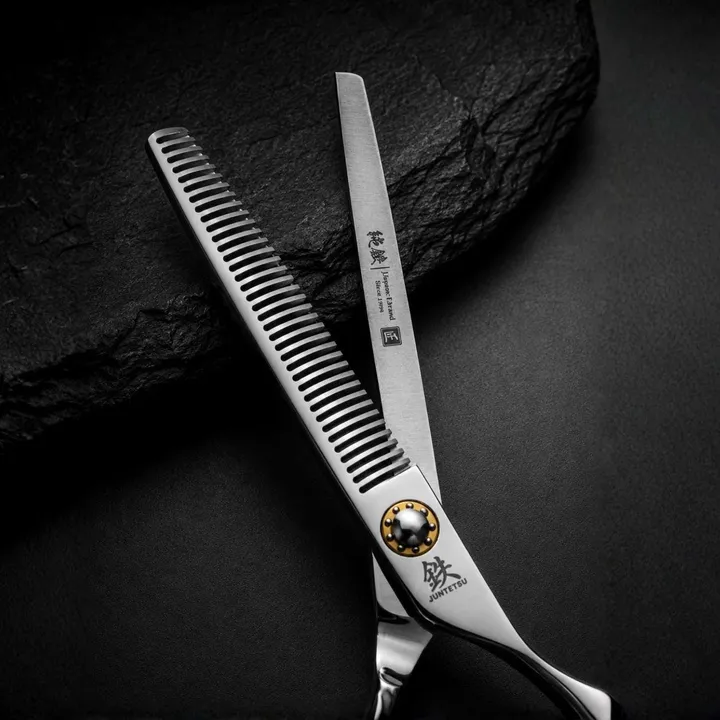
Texturising for barbers: four methods, which tool does which, how much hair to remove and the mistakes to avoid.
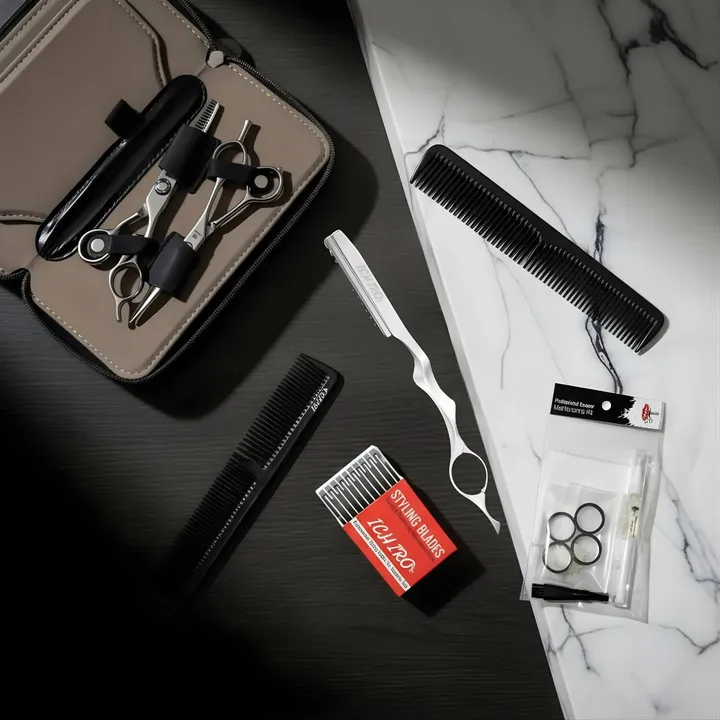
What a full barber shop kit contains and why: cutter, detail scissor, blender, combs, razor, care items and storage, with a build order by stage.
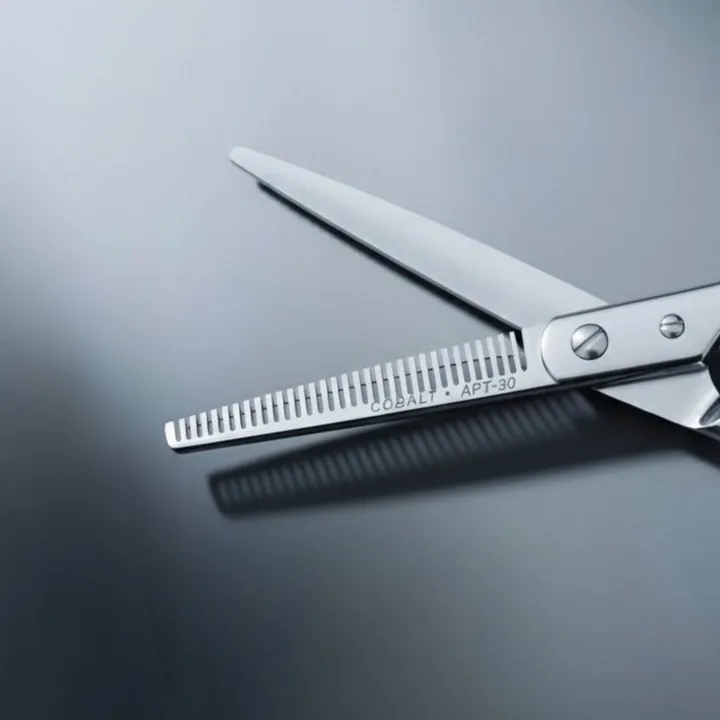
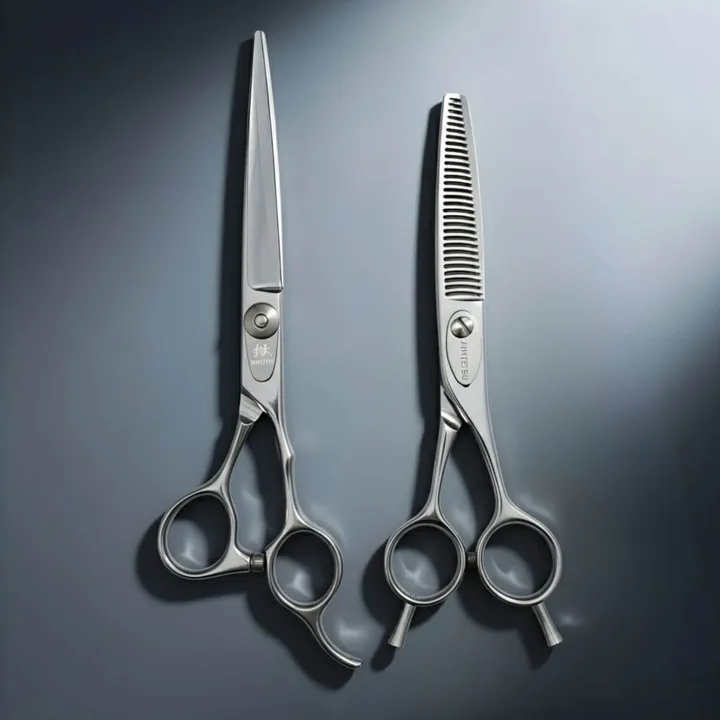
Thinning shears vs blenders: thinner is the family name, blender and texturiser are jobs set by tooth count. Compare 10 to 40 teeth and pick by cut.
Cut a two-block with scissors: section the head, place the step, set the lower block, shape the top, blend the edge of the break and cross-check the result.
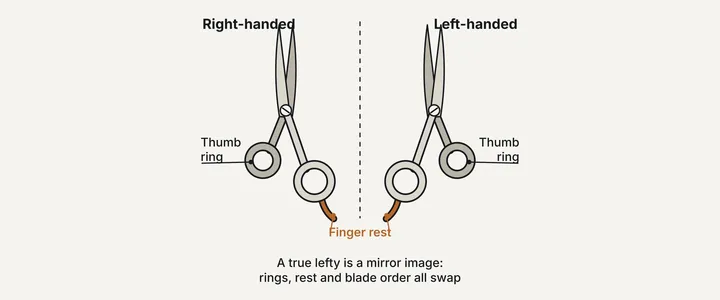
A working guide for left-handed barbers: mirror right-handed technique, set up the station, keep a left-handed cutter and thinner, and equip a mixed team.
Each list says how it was chosen at the top of the page. Newest first.
Top 10
A shortlist of nine online scissor stores for barbers in Australia and New Zealand, with the five checks to run on any of them before you pay.
Top 10
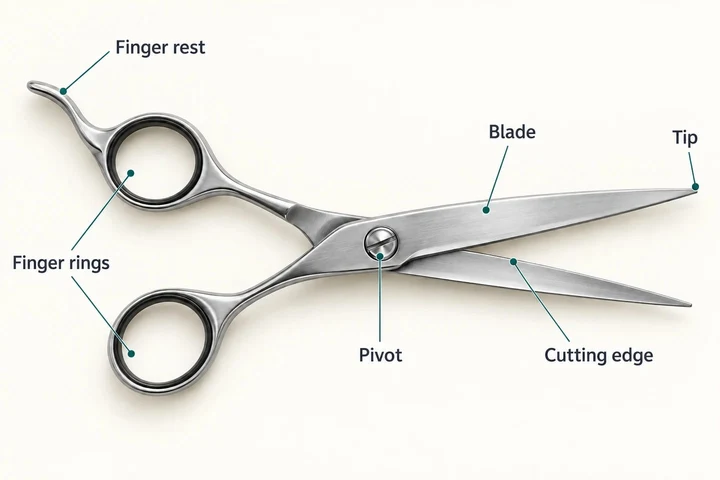
Ten barber scissor terms in plain words: pivot and tension, offset handle, convex edge, micro-serration, sword blade, HRC, tooth count and blunt cutting.
Top 10
Ten daily and weekly care habits for barber scissors: wipe, dry, one drop of oil, the drop test, a dry case and a service log, with what each one prevents.
Top 10
Ten fade-blending tips with shears: find the weight line, work over the comb through the transition, point cut the edge and blend with a thinner, lightly.
Top 10
Ten gift ideas for barbers that earn a place at the chair: a backup cutter, thinner, case, holster, combs, razor blades, a sharpen and what to ask first.
Top 10
Ten Japanese vs German barber scissor myths checked against edge, steel, handle and price: why the flag on the box tells you less than the spec sheet does.
Top 10
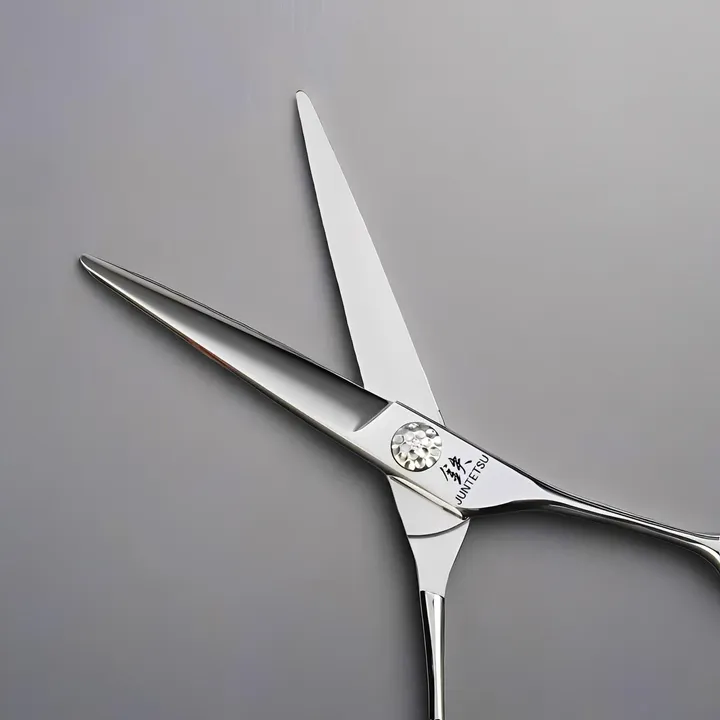
Ten everyday mistakes that blunt or damage barber scissors, from tapping the tips on the station to honing a convex edge, and the habit that replaces each one.
Top 10
Ten questions apprentice barbers ask about scissors, answered first: first length, offset or classic, left hand, tension, a thinner, steel and when to upgrade.
Top 10
Ten razor and blade questions barbers ask, answered first: line-up razors, styling razors, which blade fits which handle, guards, pack sizes and blade changes.
Top 10
Ten scissor-over-comb tips for barbers: match comb to blade, keep the blade parallel, work in small strips, read the edge and fix a line that won't come clean.
Top 10
Ten things every barber shop should keep with its scissors: a backup per hand, oil, cloths, a tension key, cases, a service log and a plan for sharpening days.
Top 10
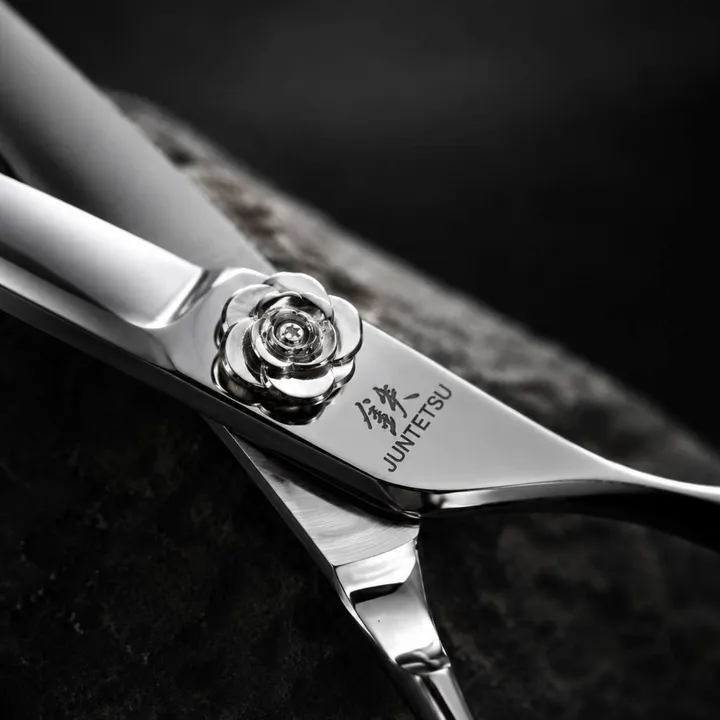
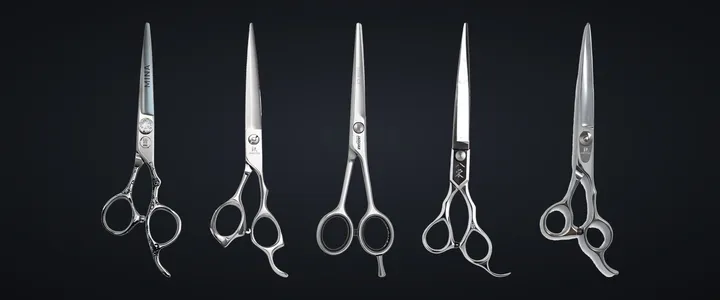
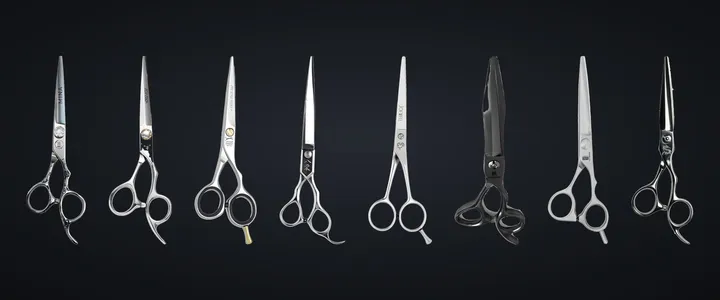
The barber scissor and razor brands stocked here, from entry-level Mina to premium Juntetsu, Jaguar (a German brand) and Feather razors: who each suits and why.
Top 10
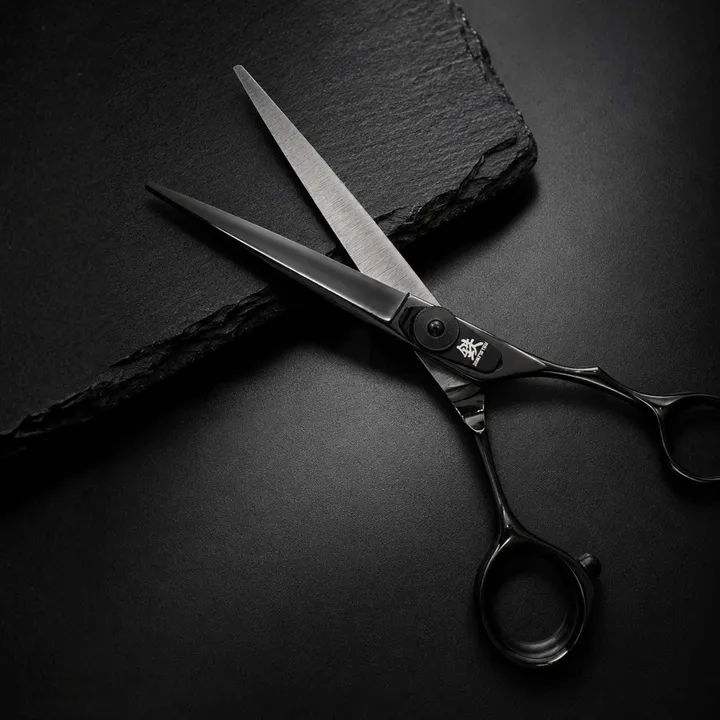
Black barber scissors from entry SUS440C to VG10 and ATS314 cobalt: Mina, Ichiro, Juntetsu and Jaguar, picked by edge, steel, handle and length.
Top 10
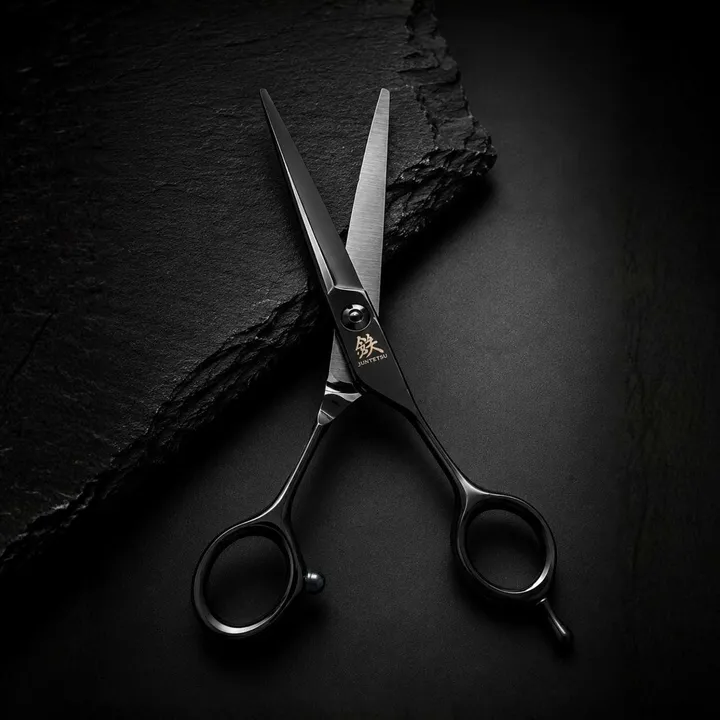
Classic-handle barber scissors with level rings, from Jaguar (a German brand) to Joewell, Yasaka and Juntetsu, picked by edge, steel and length.
Top 10
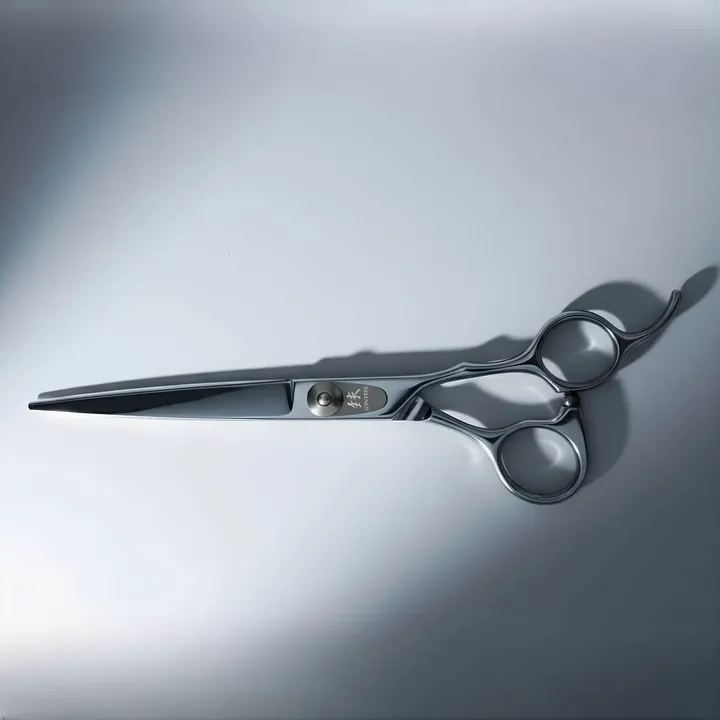
Convex-edge barber scissors for slide and point cutting, from SUS440C entry to VG10 and ATS314 cobalt, plus a German-brand convex, by steel and handle.
Top 10
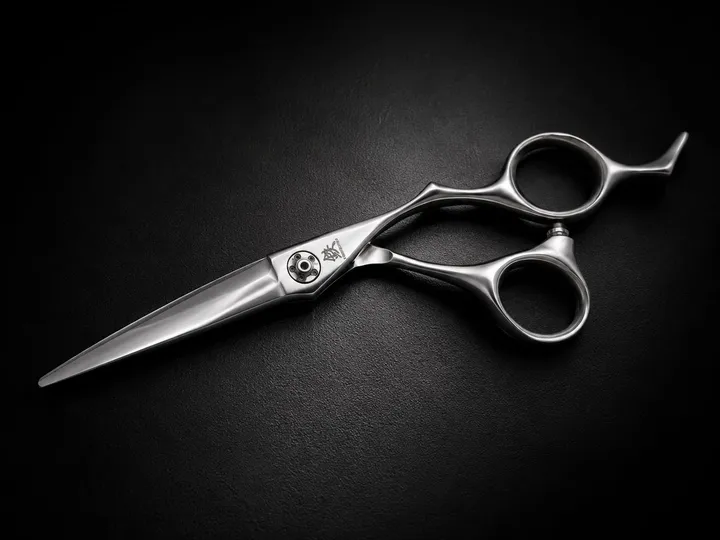
Offset, crane and swivel barber scissors compared by handle geometry, edge and steel: ten picks from Mina, Ichiro, Jaguar, Joewell, Yasaka and Juntetsu.
More answers are on the FAQ page.
Where we send readers who want more than this site covers. External sites open in the same tab and are named, not endorsed.
BarberScissors is part of the ShearAlliance, working with other trusted scissor websites.
