By James Adams ·
Types of Barber Shears and What Each Does
A quick map of cutters, thinners and specialty barber shears by the job they do on the station.
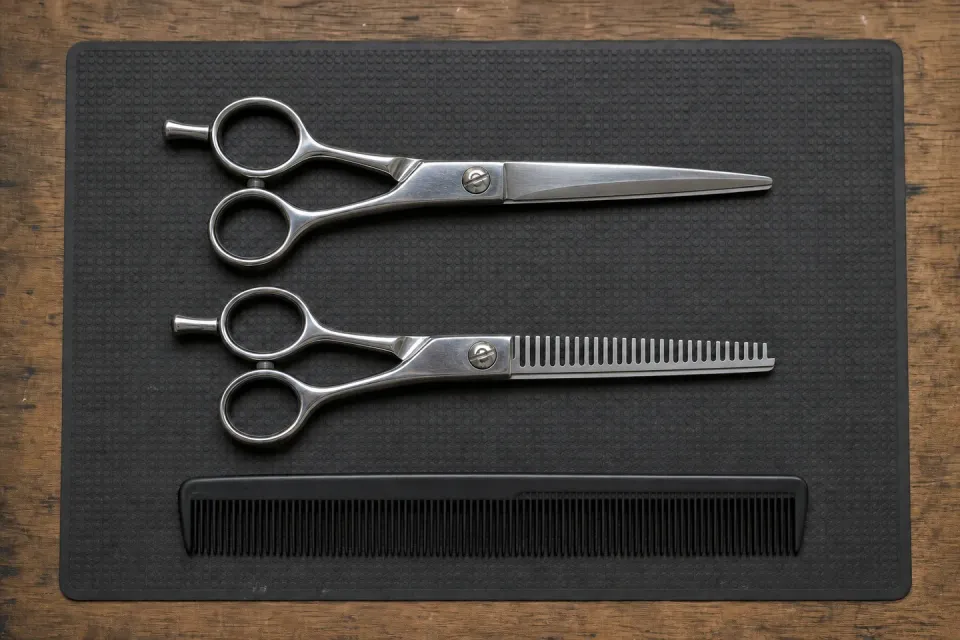
Every shear in a working kit should have a job. Start with these three groups.
Cutting Shears
The primary cutter builds the shape. A shorter blade is easier to place around detail; a longer one gives more reach over the comb. See the size guide and browse cutting shears.
Thinning And Texturising Shears
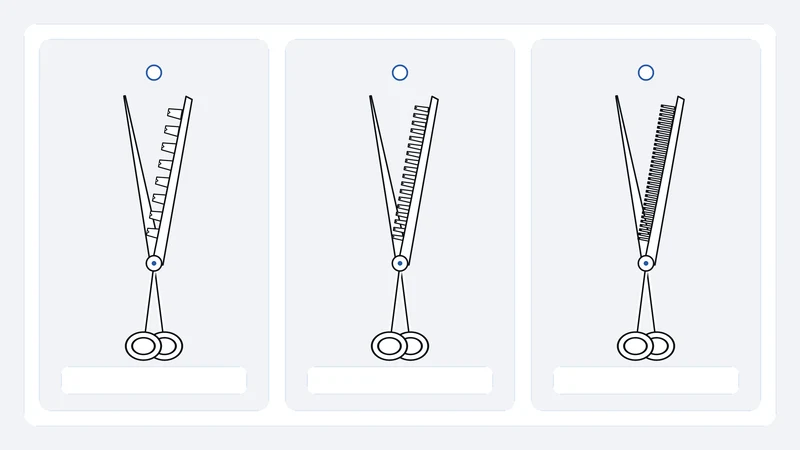
A thinner removes some hair from a section to soften a join or reduce weight. Fewer, wider teeth generally make a stronger pass; more, finer teeth make a more gradual one. Choose by the finish you need and check the model’s tooth design. The texturising guide explains the trade.
Specialty Handles And Profiles
Classic, offset, crane and swivel handles change where the hand sits. Sword-profile blades change the shape of the cutting blade. Left-handed models need the right selected hand. These features matter when they solve a regular job, not because they look different on a shelf.
Build the kit in order: main cutter, thinner if the work calls for it, then any specialty shear you keep borrowing. The first-kit checklist is a good place to start.
Questions about a shear?
Choosing your next shear or checking an order? Send us the details and we’ll help you find the next step.
Latest blog posts
Read all blog posts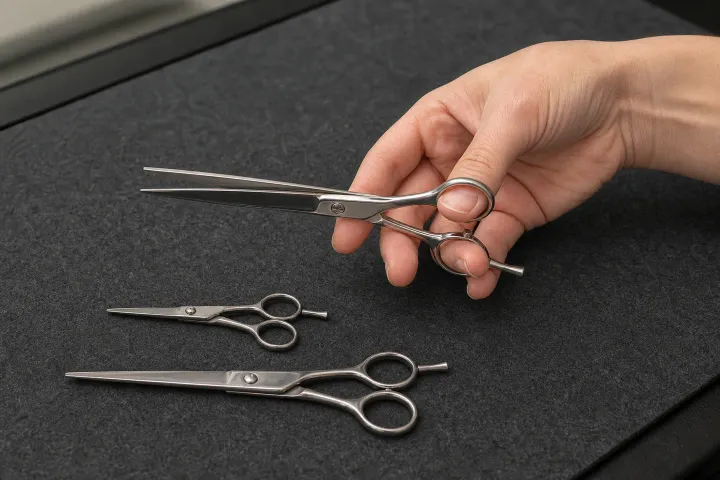
Yasaka vs Juntetsu: Which Barber Scissor Brand Wins?
Yasaka or Juntetsu for a barber station? Compare their cutters, thinners and sets by the job, grip and selected size.
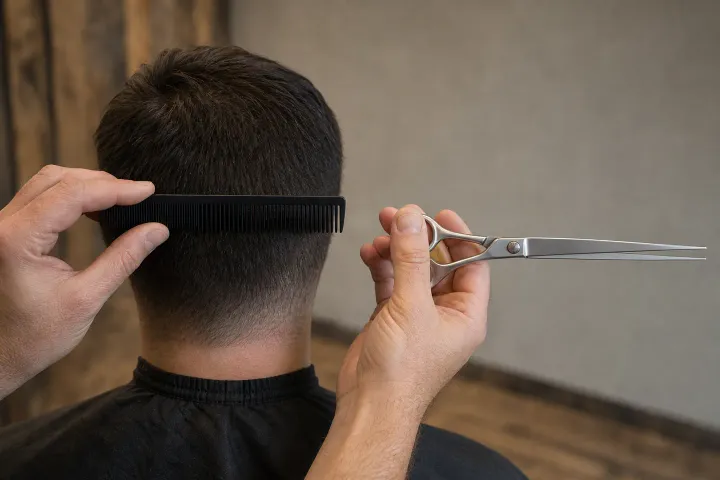
Best Sword Blade Shears for Barbers
Sword-style barber shears suit long comb sections and deliberate slicing. Compare single cutters with cutter-and-thinner sets.