Barber Shear Handle Shapes & Fit
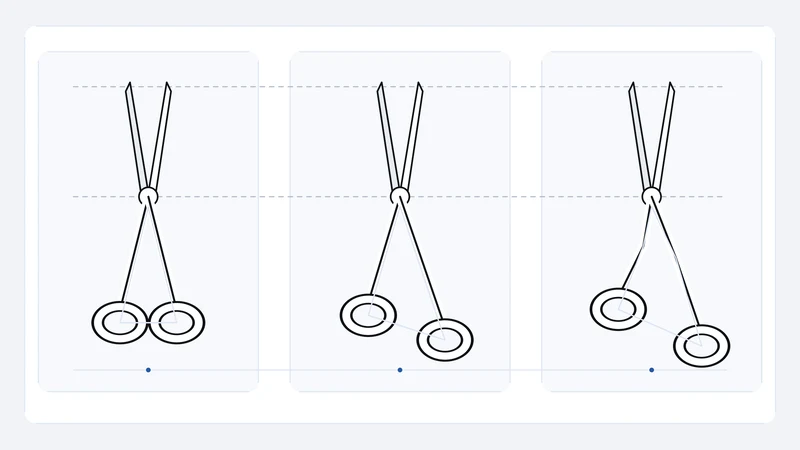
Compare classic, offset, crane and swivel handles by where the rings put your hand.
By James Adams Updated
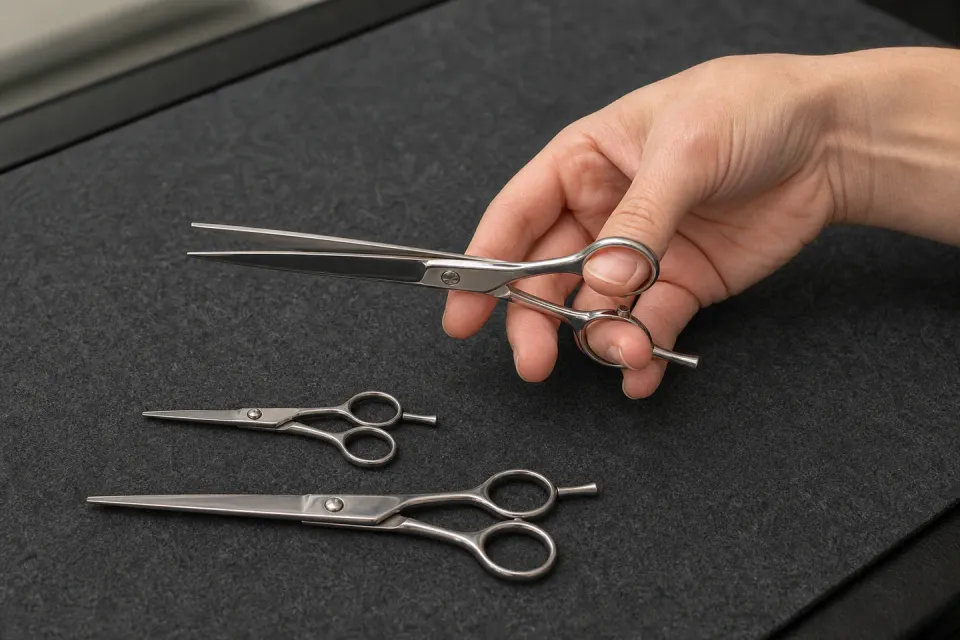
A handle changes where your fingers and thumb meet the shear. It does not choose your technique for you. Compare the shape with a grip you know, then check it at your usual cutting angles.
Four Common Shapes
| Handle | What changes |
|---|---|
| Classic | Finger and thumb rings sit more evenly. A familiar straight grip for many barbers. |
| Offset | The thumb ring sits lower than the finger ring. Common across everyday cutters and thinners. |
| Crane | A deeper offset changes the angle between rings and blade. Compare it in hand before switching your daily shear. |
| Swivel | The thumb ring turns as your hand angle changes. It adds a moving part to clean and maintain. |
No shape is automatically right for every wrist or haircut. A shear that fits one barber may feel awkward to another at the same length.
Check The Fit
- Hold your current shear and note where your thumb sits in the ring.
- Compare the new handle at the same cutting angle, then at the angle you use over the comb.
- Open and close it a few times. Look for a grip you can repeat without shifting your hand.
- Check the selected size and handedness before ordering; a handle label does not settle either.
Browse classic, offset and crane shears. The size guide covers the other half of the fit.