Scissor Tension Screws and Pivot Systems Explained
Flat screw, coin-adjust, tool-free, ball-bearing or dry-bearing: what each does and how to check the tension.
Quick answer
The pivot is the screw joint that holds the blades together and sets the tension. Barber scissors use five main types: a flat screw adjusted with a screwdriver, a coin-adjust screw, a tool-free dial, a ball-bearing pivot and a dry-bearing pivot. All of them need the same check: the drop test, then small adjustments only.
Top picks
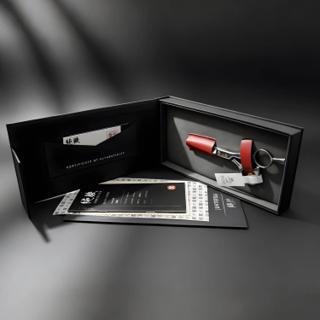
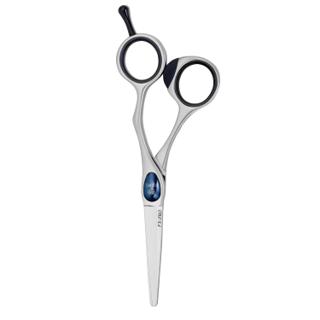
The pivot is the screw joint where the two halves meet, and it sets the tension. Five types cover almost every barber shear: flat screw, coin-adjust, tool-free dial, ball-bearing and dry-bearing. They feel different. Every one needs the same tension check.
The parts guide shows the pivot alongside the finger rest, rings and thumb.
The five pivot types at a glance
Scroll sideways to compare all columns.
| Type | How you adjust | Feel | Example in stock |
|---|---|---|---|
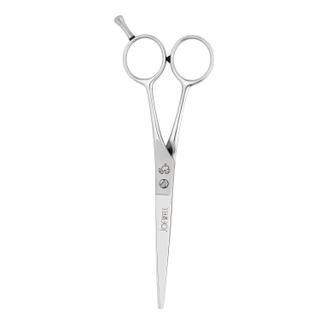
| Flat screw | Screwdriver or key | Low profile, firm | Joewell Classic |
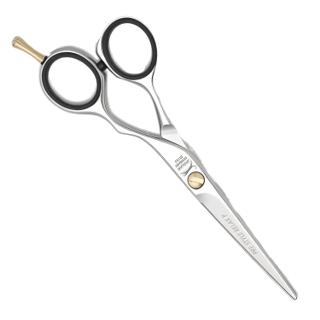
| Coin-adjust screw | A coin in the slot | Firm, easy to reset | Jaguar Pre Style Relax |
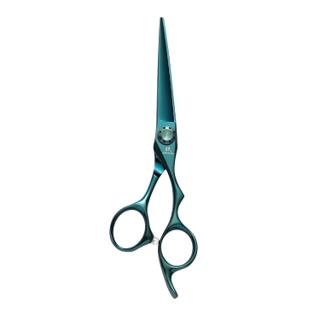
| Tool-free dial | By hand | Quick to set before work | Juntetsu Azure |
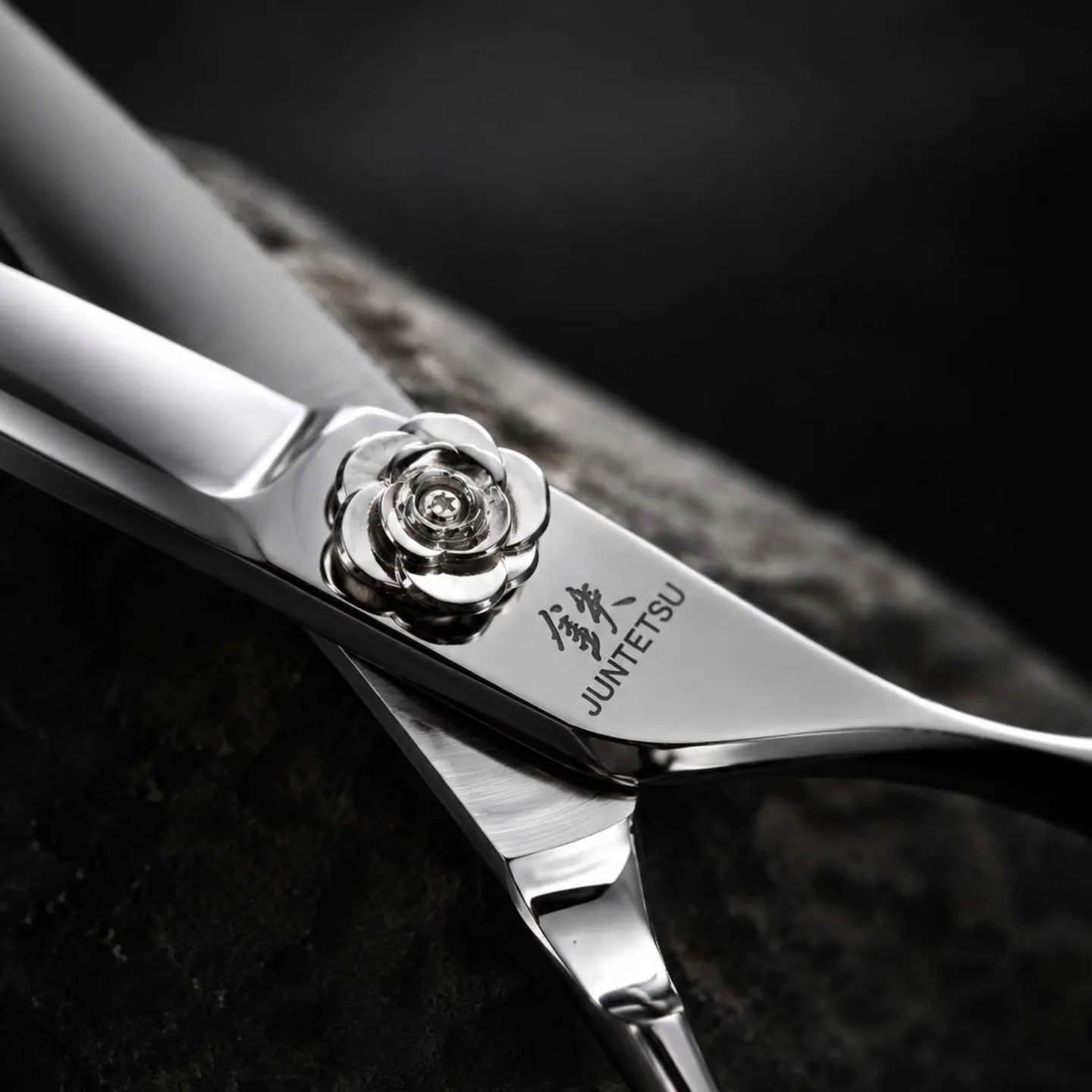
| Ball-bearing | Screw or dial over a bearing | Smooth and light | Juntetsu Rose Gold |
| Dry-bearing | Maker’s screw system | Smooth, sealed | Joewell FX Pro |
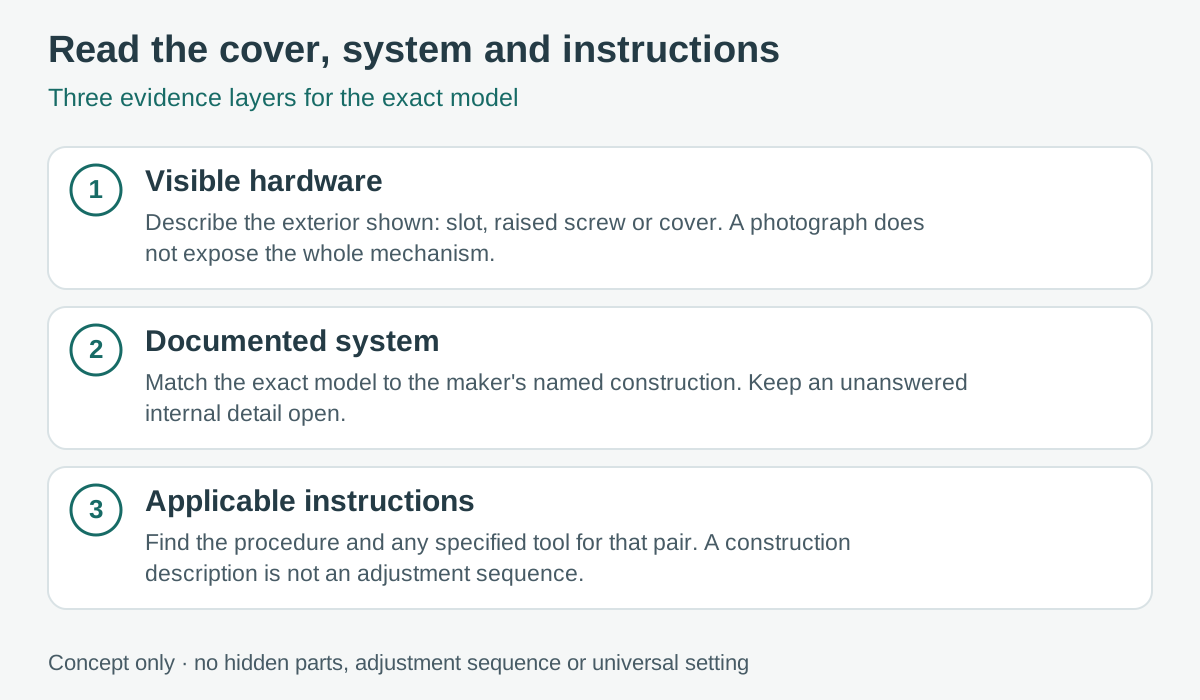
Keep three evidence layers separate
The cover, the mechanism and the instructions
Visible hardware
Describe the exterior shown: slot, raised screw or cover. A photograph does not expose the whole mechanism.
Documented system
Match the exact model to the maker's named construction. Keep an unanswered internal detail open.
Applicable instructions
Find the procedure and any specified tool for that pair. A construction description is not an adjustment sequence.
One system name does not supply a universal setting. Ask which instructions apply to the exact model, and take concerning rough action or repeated adjustment to the assessment route.
Check the tension first: the drop test
Do this before any adjustment, and once a week as routine.
- Clean and oil the pivot. Hair and old oil at the screw change the feel.
- Hold the shear by the finger ring, tips pointing up.
- Lift the thumb blade to about 90 degrees and let it go.
- Read the fall. It should swing down and stop about two thirds closed.
- Adjust a quarter turn at a time if it snaps shut (loose) or barely moves (tight), then test again.
If hair still folds at the right tension, the edge needs a sharpen. More turning won’t fix it. The blunt shears guide shows the signs.
Flat screw: Joewell Classic
A slotted screw that sits close to the blade. Joewell’s screw reference describes its Precision Flat Screw as adjustable. It keeps a low profile and suits barbers who set the tension once and leave it.
Coin-adjust screw: Jaguar Vario
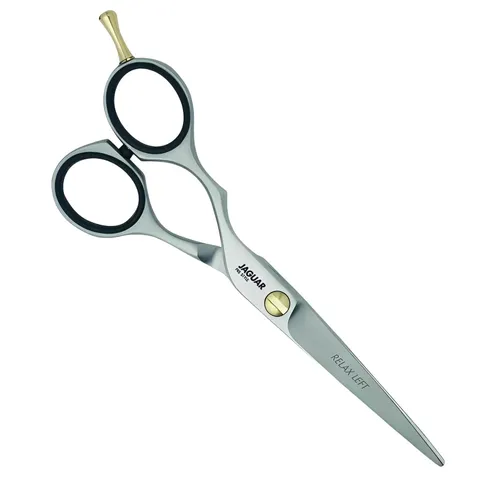
Jaguar’s German-made shears use the Vario screw, set with a coin in the slot. It is quick to reset between clients without carrying a tool. The Pre Style Relax, Satin Plus and Pastell Plus lines all carry it. See the Jaguar collection.
Tool-free dial: Juntetsu Azure
The Azure’s hand-adjustable tension screw lets you check and set the pivot by feel, without a tool. Set it before work and leave it; don’t tighten until the blades bind.
Ball-bearing: Juntetsu Rose Gold
A bearing under the screw gives a smoother, lighter open and close. The tension check is the same. Keep the bearing clean and dry, and oil it as the maker directs.
Dry-bearing: Joewell FX Pro
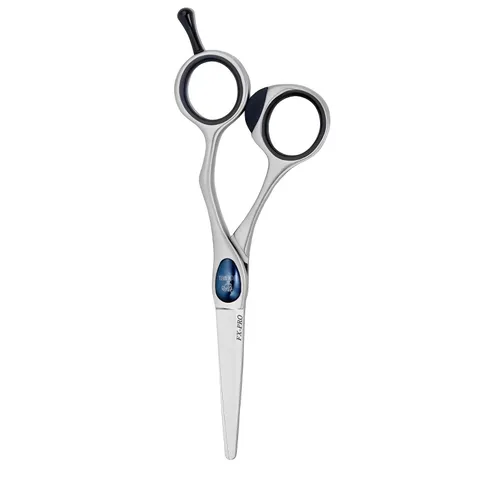
Joewell names the FX Pro’s pivot the Dry Bearing Screw System, with resin at the bearing and contact point. It still needs cleaning and drying after work. Follow Joewell’s instructions for this model rather than a routine from another shear.
Care and service by pivot type
Every type gets the same daily routine: wipe dry, a drop of oil at the pivot at close, store closed. The maintenance guide covers it. Don’t take a bearing pivot apart yourself. When you book a sharpen, name the model and the pivot type so the service resets the tension the way the maker intended. The sharpening guide lists what to ask, and the care and servicing hub links the rest.
Pick by stage
- Apprentice: a coin-adjust Jaguar Pre Style Relax. Learn the drop test on it.
- Working barber: a tool-free dial for quick daily checks.
- Upgrade: ball-bearing or dry-bearing for the lightest action, if you like that feel. Compare against the pair you use now, and check the handle guide too.
Questions
How do I check scissor tension?
Hold the shear by the finger ring, tips up. Lift the thumb blade to about 90 degrees and let go. It should swing down and stop about two thirds closed. Snapping fully shut means loose; barely moving means tight.
What happens if scissor tension is too loose?
The blades separate as they close, so hair folds or bends between them instead of cutting, usually at the tips. Tighten a quarter turn at a time and test again.
What happens if scissor tension is too tight?
The blades grind against each other. The action feels stiff and the edges wear faster. Loosen in small steps until the drop test passes.
Is a ball-bearing pivot better than a flat screw?
Not better, different. A bearing gives a smoother, lighter open and close. A flat screw keeps a low profile and is simple to service. Both cut the same when the tension and edge are right.
My scissors fold hair even at the right tension. Why?
The edge is blunt or damaged. Clean and oil the pivot, run the drop test, and if hair still folds, book a sharpen rather than tightening further.