By James Adams ·
How to Choose Barber Shears That Fit Your Work
A fast barber shear buying checklist: match your main service, blade length, grip and second-tool needs before choosing a finish.
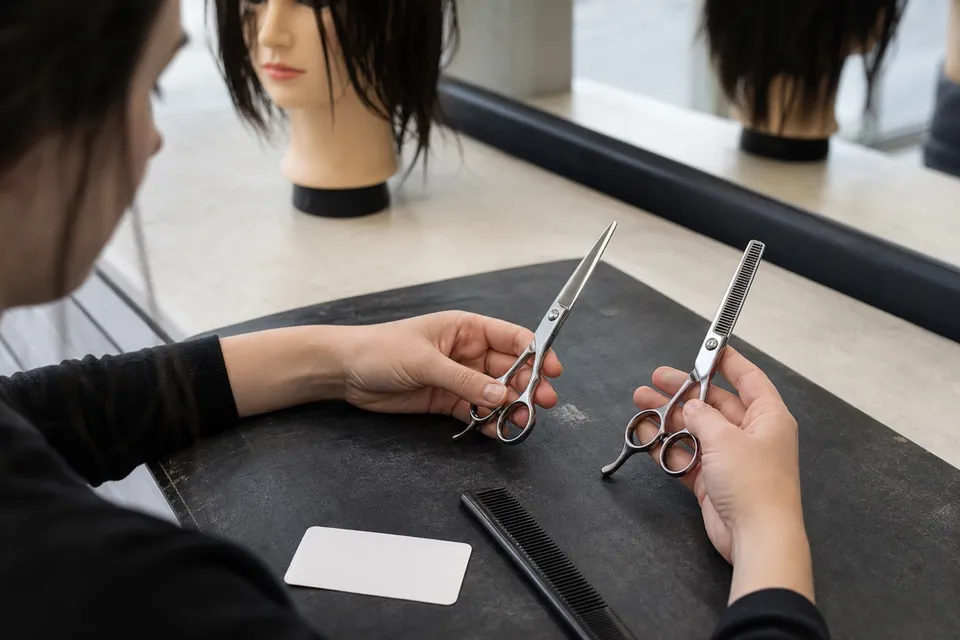
A good shear choice starts with the haircut you do most. Use this order and the product pages become easier to compare.
1. Name The Main Job
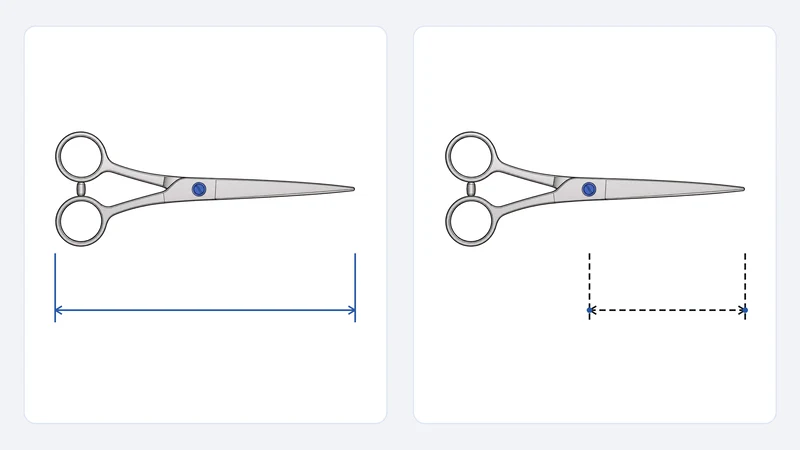
Do you need close detail, an everyday cutter or more reach over the comb? A shorter blade is easier to place around small sections; a longer one covers more of the comb. Choose the job before the brand.
2. Start From Your Current Length
Use a shear you already cut with as your reference. If you want more reach, move up one length; if the tip feels hard to place, move down. The barber size guide walks through the common options.
3. Check The Grip And Edge
Classic handles keep the rings level. Offset lowers the thumb ring; crane takes that shape farther; swivel lets the thumb ring turn. Compare the handle guide with the grip you know.
A micro-serrated edge grips a section. A smooth convex edge gives more glide. Neither label tells you whether the whole shear fits your work, so read the selected model’s blade and size together.
4. Decide Whether You Need A Pair
If your station needs both cutting and weight removal, a set may be simpler than two singles. Check the cutter length and thinner included. If you only need a cutter, buy that tool first and add the thinner when the service calls for it.
5. Make Room For Care
A case and a servicing plan belong in the purchase decision. Keep the blades clean and dry, and use a sharpener who works on your edge type when the cut starts to pull.
The quick check: job, length, grip, edge, second tool, care. If a listing answers those six, you can judge it on the work it will do.
Questions about a shear?
Choosing your next shear or checking an order? Send us the details and we’ll help you find the next step.
Latest blog posts
Read all blog posts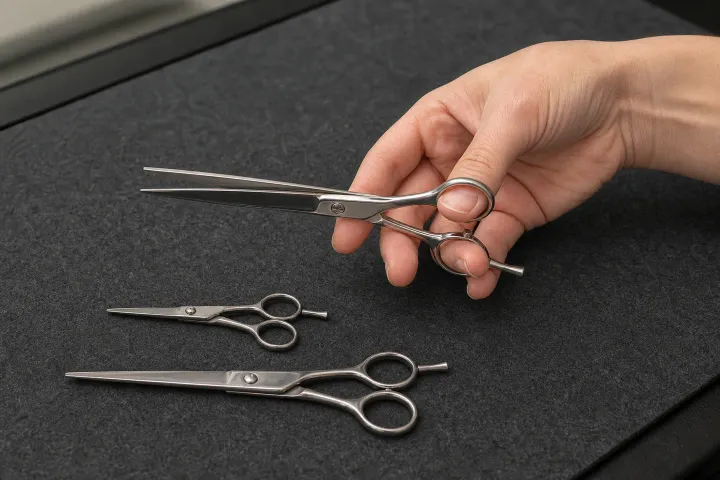
Yasaka vs Juntetsu: Which Barber Scissor Brand Wins?
Yasaka or Juntetsu for a barber station? Compare their cutters, thinners and sets by the job, grip and selected size.
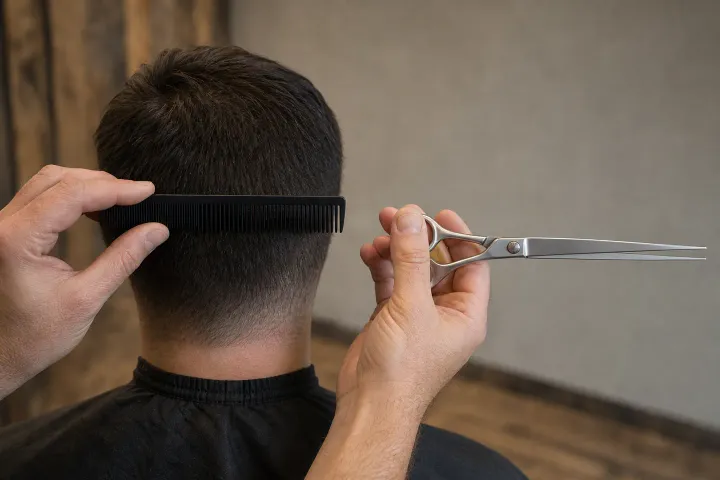
Best Sword Blade Shears for Barbers
Sword-style barber shears suit long comb sections and deliberate slicing. Compare single cutters with cutter-and-thinner sets.