How to Blend a Fade with Shears
Where the clipper work ends and the scissor work starts, and how to remove the line between them.
Quick answer
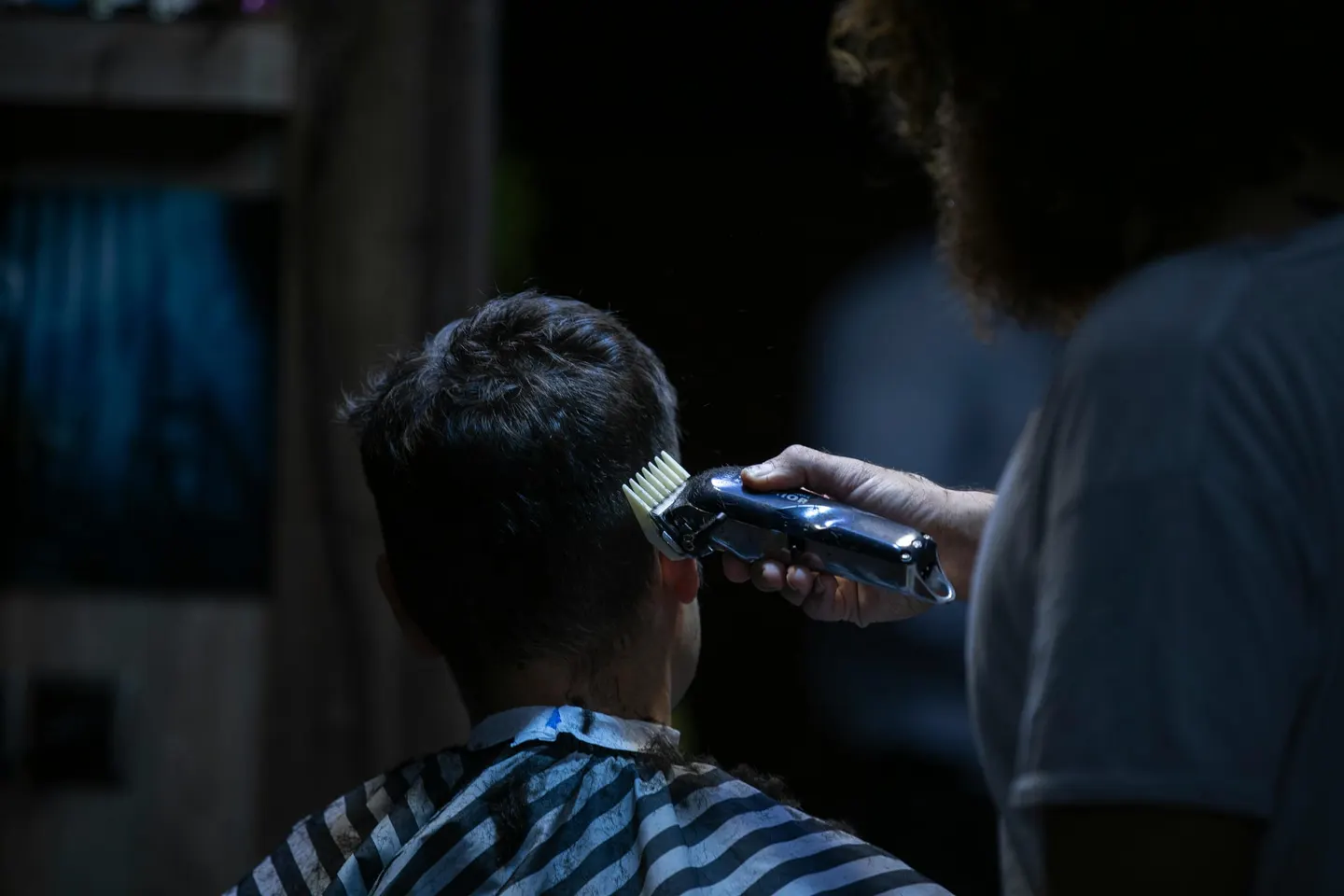
To blend a fade with shears, find where the clipper length meets the top, cut through that band with scissor over comb, then soften the weight line with a fine-tooth blender or point cutting. Check from the front, side and back. Take small passes: you can cut more, you cannot put it back.
Top picks
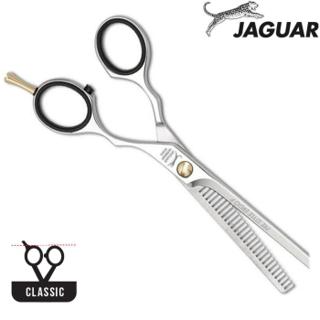
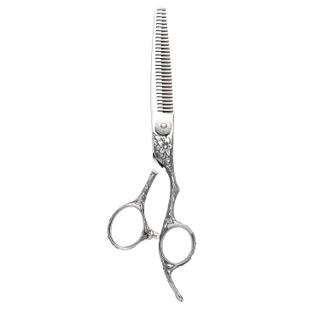
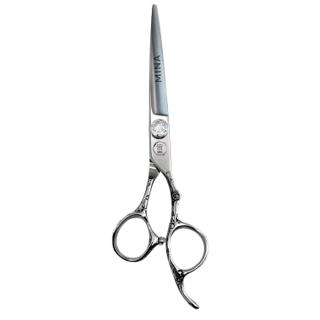
A fade is blended when the eye cannot find where the clipper length ends and the scissor length begins. Clippers set the short sides, scissor over comb carries the length upward, and a fine-tooth blender or point cutting removes what is left of the line. This guide covers the scissor side.
Key takeaways
- Find the weight line before you cut anything.
- Scissor over comb moves the length up. A blender softens the line. They are different jobs.
- Light passes, then check from the front, the side and the back.
What a blend actually fixes
A hard line appears where two lengths meet without a gradient between them. The clipper may be perfect and the line still shows if the top is cut straight down onto it. Blending adds the missing steps.
There are three things to fix, in this order: the transition (the lengths between short and long), the weight line (the visible edge of the top), and the finish (stray lengths and detail). Mixing the order makes the job harder.
Step 1: find the weight line
Comb the hair on the top straight down and out. Look at the head from the side: the weight line sits where the hair breaks from lying flat against the head to hanging from the head. Mark it in your eye, not on the client.
Check the clipper work below it. If the fade has a step in it, fix that with clippers first. Scissors blend, they do not rescue a bad fade.
Step 2: build the transition with scissor over comb
Work through the band that joins the faded sides to the top. Use the technique from the scissor over comb steps: comb flat to the head at the lowest point, blade parallel to the comb, cut as the comb travels.
Rise in small angle changes. A 6.5″ to 7.0″ scissor covers more comb per pass, so the line stays even. The fade shears guide has the length and edge by job.
Step 3: soften the weight line
Now the line itself. There are two methods, and many barbers use both.
Scroll sideways to compare all columns.
| Method | How it works | Best when |
|---|---|---|
| Point cutting | Turn the scissor tips into the ends of the weight line and snip upward | Hair is cut cleanly and you want the ends broken up |
| Blender | A 28 to 40 tooth blender removes a little hair each close | The line is heavy and you do not want to shorten it |
Keep the blender at the weight line and just above it. Run it up the hair in short strokes, stopping short of the ends so you do not leave gaps. Thinning shears versus blenders explains the vocabulary, and the texturising guide covers tooth counts.
Step 4: detail and finish
Round the ears, sideburns and neckline with a shorter pair. A 5.5″ or 6.0″ puts the tip where you want it. The short scissor picks compare detail pairs. Brush off the hair and look again, since loose hair hides lines.
Check the blend from three angles
- Front. The line should disappear from the hairline back.
- Side. Look for a ledge where the top meets the sides.
- Back. Check that the nape finishes at the same height on both sides.
Run the comb through the hair in the opposite direction from how you cut. Any patch or step shows up straight away. Fix it with two or three light passes, not one big one.
Dry or damp, and how hair type changes the blend
Hair behaves differently at different moisture levels, so decide how you will work before you start. Damp hair lies flat and shows the line clearly but springs back when it dries. Dry hair shows its true length and how it will sit, which makes blending easier to judge.
Many barbers do the clipper work on dry hair, then dampen lightly for the scissor work and re-check once dry. Whatever you choose, keep the moisture level the same across the section you are blending, so one side does not dry shorter than the other.
Hair type changes how much blending is needed. Fine, straight hair shows steps easily and needs gentle, repeated passes. Dense or coarse hair hides steps but carries more weight at the line, so the blender or texturiser does more of the work. Curly hair springs up after cutting, so leave a little more length than the line suggests and check once it has settled. The hair texture guide matches scissors to hair types.
Common blending mistakes
- Cutting too much at the line. A hard cut creates a new line. Take less than you think you need.
- Thinning the faded area. Keep the blender on the transition and the line.
- Rushing the transition. If you skip the angle steps, the blender has to do too much.
- A blunt tool. A dull scissor pushes hair instead of cutting it. Compare against the blunt shears signs.
- One scissor for everything. A long pair is poor for ear detail and a short pair is slow for over-comb.
What to carry for blending
A fade blender kit is a long cutter, a short detail cutter and a fine-tooth blender. The best scissors for fades compares them, and the thinning shears collection lists blenders by tooth count. Cutters are in the cutting shears range.
Related guides on every barber topic live in the knowledge base.
Further reading: Scissorpedia is an information website and a fellow member of the ShearAlliance.
Questions
How do you blend a fade with scissors?
Work scissor over comb through the transition band where the clippers stop, then soften the weight line with a thinner or point cutting. Cut in small passes and check the line from the side.
What do you use to blend a fade on top?
A cutter for the length and a fine-tooth blender for the weight line. Point cutting with a convex scissor also breaks up a hard edge where the fade meets the top.
Why is there still a line after the fade?
The weight line is usually a jump in length that clippers left behind. Remove it by cutting up through the transition in small angle steps, then use a blender on the line itself.
Should I thin the whole fade?
No. Use the blender on the transition and the weight line only. Thinning through the whole faded area removes hair you need for the shape.