Shears for Fades: Length, Edge, and Blade Work
What fade work actually asks of a shear — and the specs to read before buying for it.
By James Adams Updated
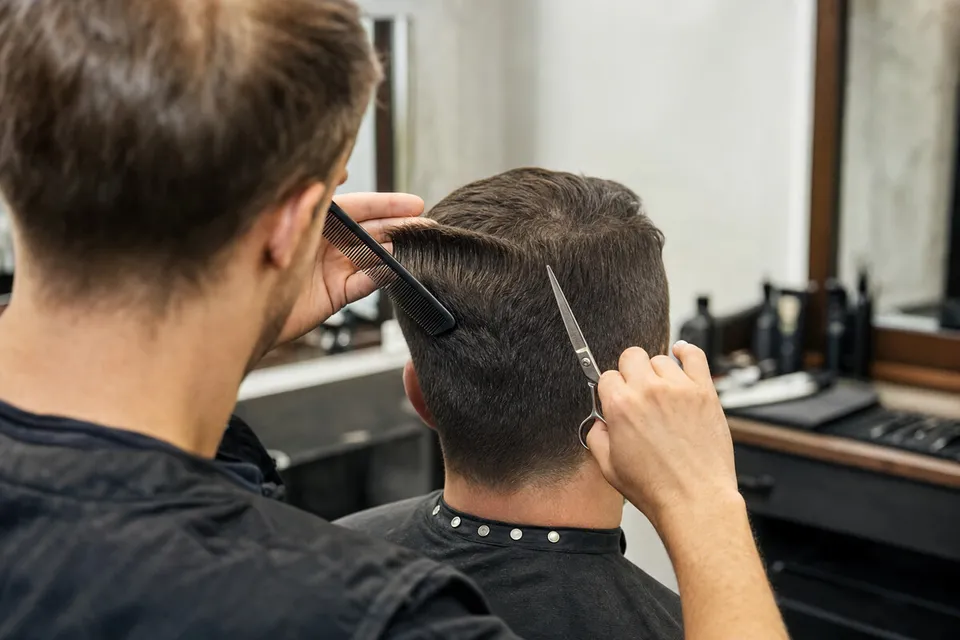
A fade can ask for three different scissor jobs: shape over the comb, close detail and a soft transition. Choose the tool for the step you do most, then add the others as your work demands them.
Over the comb
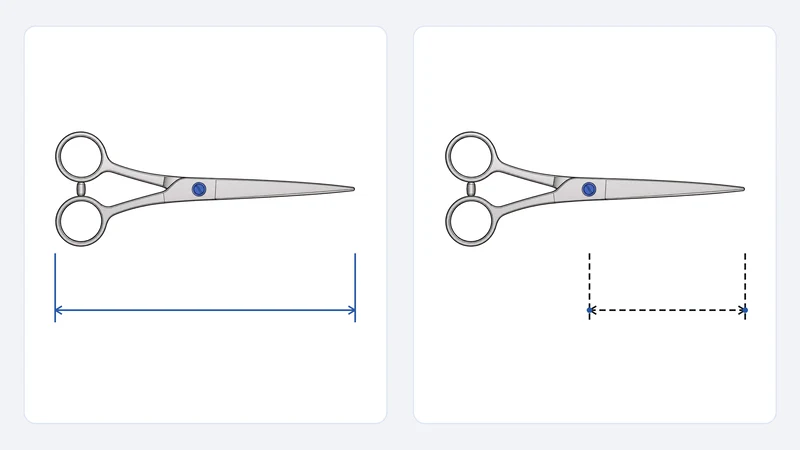
A 6.5-inch or 7-inch cutter gives more reach across a wide comb section. Choose the length you can close cleanly without losing control.
Around the edge
A shorter 5.5-inch cutter is easier to place near the ear, crown and neckline. It also works as a detail partner to a longer primary shear.
Through the blend
A thinner can soften a line after the shape is set. Compare tooth pattern as well as count, then make light passes and check the result before removing more.
The handle should feel comfortable through repeated cuts. Read the handle guide and size guide before choosing your main fade shear.