Clipper-Over-Comb vs Scissor-Over-Comb
How each one builds the line, where each one wins, and where to hand over from one to the other.
Quick answer
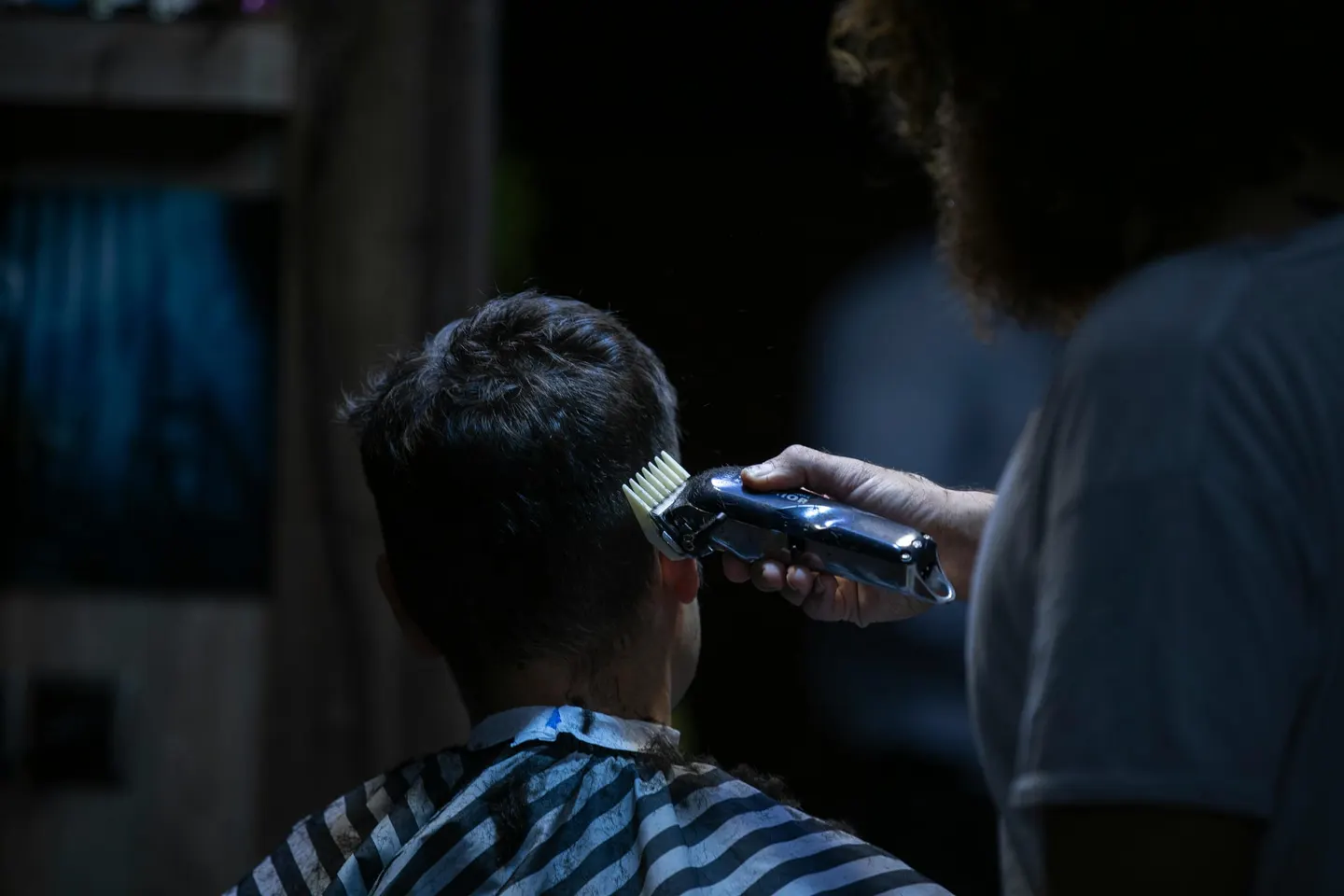
Both methods use the comb to lift the hair and set the length. Clipper-over-comb cuts continuously and is faster on short lengths. Scissor-over-comb builds the line one close at a time, reaches longer lengths and gives finer control over shape. Most fades use clippers low and scissors through the upper transition.
Top picks
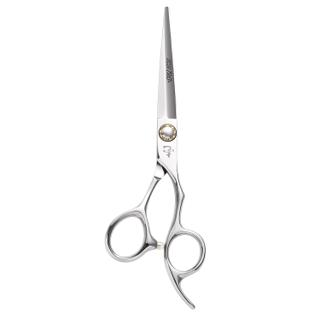
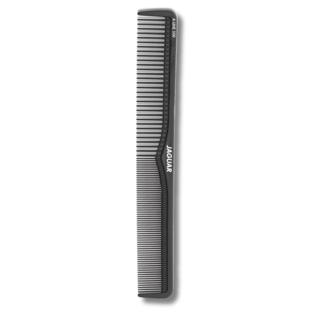
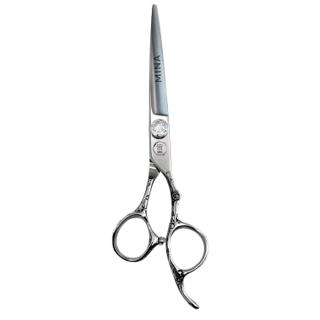
Clipper-over-comb and scissor-over-comb are the same idea with a different cutter. The comb lifts the hair away from the head and sets the length, and the cutter removes what stands above the teeth. Which one you reach for decides the speed, the length range and how much shape control you get.
This page compares how each one builds the line. For the full tool split across a whole cut, read scissors vs clippers. For the scissor method itself, see scissor over comb step by step.
Key takeaways
- The comb does the same job in both: it sets the length and the line.
- Clipper-over-comb is continuous and quick. Scissor-over-comb is one close at a time and finer.
- The hand-over point sits where hair gets too long for a clipper head to follow the shape.
How does each one build the line?
Clipper-over-comb builds the line in continuous passes. The comb lifts the hair, the clipper rides along the back of the comb, and the blades cut whatever stands above the teeth as the comb travels up the head. The line is the result of the comb path and the speed of travel.
Scissor-over-comb builds the line in a series of closes. The comb lifts and travels in the same way, but the scissor removes a small strip at each close, so the line is a row of overlapping cuts. The rhythm of the closes and the overlap between them decide how even the line looks.
The comb discipline is identical in both: angle to the head sets the length, and the speed of travel sets how even the line is. A barber who is loose with the comb gets a poor line with either cutter.
Clipper-over-comb vs scissor-over-comb at a glance
Scroll sideways to compare all columns.
| Clipper-over-comb | Scissor-over-comb | |
|---|---|---|
| Speed | Faster on short lengths | Slower, one strip per close |
| Length range | Short and close | Short to long |
| Shape control | Limited by the clipper head | Fine, you place each close |
| Finish | Even and close | Softer, edge you shape |
| Hair state | Usually dry | Dry or lightly damp |
| Skill curve | Shallower | Steeper |
| What goes wrong | Steps from a jumping comb | Stripes, scoops, nicked blade |
Neither wins overall. The length of the hair and the line you want decide.
When does clipper-over-comb win?
Clipper-over-comb wins when the hair is short, the area is large and speed matters. It carries the length up from the shortest zone quickly and evenly, which is why it is the common way to start a fade. It also suits the barber who wants a close, uniform finish without building the line a close at a time.
It loses ground as the hair gets longer. A clipper head covers a fixed width and follows a curve only so well, so past a certain length the line stops following the shape of the head. That length varies with the clipper and the barber, so use the length you can control.
When does scissor-over-comb win?
Scissor-over-comb wins where the line needs shaping or the hair is longer than a clipper handles well. It reaches the transition into the top, follows the curve of the head and lets you place every close. It is also the method for softening a clipper line that has left a step.
It costs speed and skill. Each close removes a small strip, and a hand that wobbles or a blade that dips into the comb shows up as stripes or a scoop. The scissor-over-comb drills are a practice plan for those faults.
Where does the hand-over happen in a fade?
Many fades use both in one pass of the head. Clippers, with or without a guard, take the sides and the lowest transition. Clipper-over-comb carries the length up while the hair is short. Where the length climbs past what the clipper head follows well, the barber switches to scissor-over-comb for the upper transition and into the top. Then a blender or point cutting softens the weight line.
The switch point is a judgement, not a rule. Move to scissors when the clipper stops following the shape or when the line needs a softer finish. The blend a fade guide covers what happens after the switch, and the fade shears guide lists the scissor side by job.
What changes in your kit and your hands?
The comb is the same, so one good cutting comb serves both. For scissors, a 6.5″ to 7.0″ cutter covers more of the comb per close, which keeps the line even, and a 5.5″ or 6.0″ pair handles the small areas. The size guide shows how overall length is measured.
Keep the blade parallel to the comb back. In scissor-over-comb a blade that dips into the teeth nicks the edge, and a nicked edge folds hair. If hair folds, clean the pivot and check the tension, then use the blunt shears tests to tell tension from edge. This site sells scissors, so this page does not recommend a clipper model.
Common mistakes
- Using scissors where a clipper is quicker. Save the scissors for shape and length.
- Pushing the clipper past its length. When the line stops following the head, change tools.
- Letting the comb jump. A sudden angle change leaves a step in either method.
- Hiding a bad clipper line under scissors. Fix the clipper work first.
- Dipping the blade into the comb. It nicks the edge and scoops the line.
Pick by stage
- Apprentice: learn the comb first, then clipper-over-comb for the short work, then add scissor-over-comb with a 6.0″ cutter. See the first kit guide.
- Working barber: a 7.0″ cutter for the upper transition and a fine blender for the weight line. Shop the 7-inch range.
- Upgrade: a second length in the same handle, so the hand does not change between jobs.
All the barber technique guides are indexed in the knowledge base.
Further reading: Scissorpedia is an information website and a fellow member of the ShearAlliance.
Questions
Is clipper-over-comb faster than scissor-over-comb?
Generally yes on short lengths, because the blades cut continuously as the comb travels. Scissor-over-comb is slower because each close removes a small strip. The gap narrows on longer hair, where scissors are often the only practical choice.
Which gives a smoother blend?
Either can, when the comb angle rises in small steps. Scissor-over-comb gives finer control over the shape of the line and suits longer lengths. Clipper-over-comb gives a quick, even result on short lengths. The comb angle matters more than the tool.
Can I use clippers instead of scissors for the whole transition?
On short lengths, yes. As the hair gets longer, a clipper head stops following the shape well and scissors take over. Where that happens depends on the cut, the clipper and the barber, so use the length you can control.
Do I need to learn both?
Most working barbers use both in the same cut. Clippers carry the sides, scissor-over-comb carries the length into the top. Learn the comb first, because the comb discipline is the same in both.