Beard and Neckline Work with Scissors
How to trim a beard and tidy a neckline with scissors and a comb, and the length and edge for each part.
Quick answer
Trim a beard with scissors by combing it out, setting length with scissor over comb, then shaping the cheek line and neckline with a short pair. A 6.0″ to 7.0″ cutter does the body, a 5.0″ to 5.5″ does the edges. Work in small passes and check the symmetry from the front.
Top picks
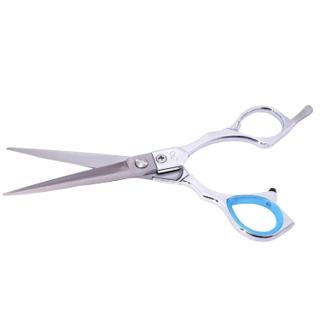
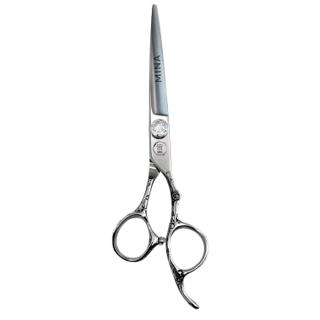
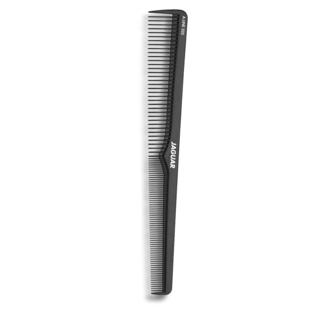
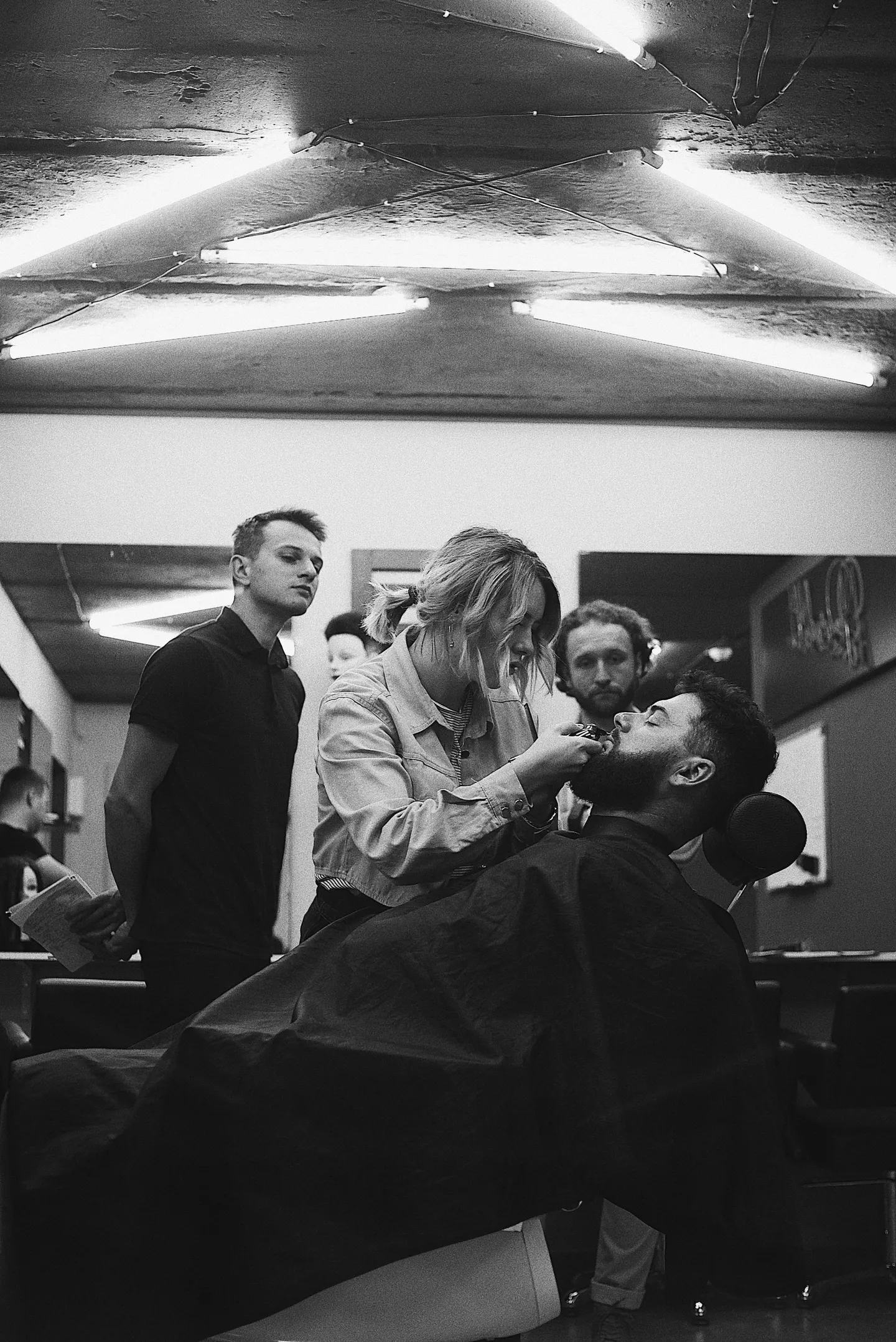
Scissors handle the finish of a beard: the length, the shape of the cheek line, the neckline and the moustache. A long cutter with a comb sets the body, and a short pair shapes the edges. Clippers often set the base, and the scissors make the result look intended.
Key takeaways
- Comb out first, then cut. Hair that lies flat hides length.
- Scissor over comb sets the body, a short pair does the lines.
- Symmetry is checked from the front, not from where you stand.
Where scissors fit in beard work
Clippers are faster for a base length. Scissors give a softer finish, control around the lip and the freedom to shape a line by eye. For short stubble, clippers do all the work. For a beard with length, scissors carry the shape.
How to split the work by job is in scissors versus clippers.
What you need
Scroll sideways to compare all columns.
| Item | Length or type | Used for |
|---|---|---|
| Cutter | 6.0″ to 7.0″ | Body of the beard, scissor over comb |
| Detail cutter | 5.0″ to 5.5″ | Moustache, cheek line, neckline |
| Comb | Flat cutting comb | Lifting hair to cut |
| Neck brush | Soft | Clearing hair so you can see the line |
The length guide explains the lengths, and the short scissor picks compare detail pairs.
Step by step
- Comb the beard out and down. It should lie the way it grows, with no tangles.
- Decide the length. Agree it with the client and check at the chin, the cheek and the sideburn.
- Set the length with scissor over comb. Lift the hair with the comb, parallel blade, cut what stands above the teeth. The technique is the same as for the head; see the scissor over comb steps.
- Shape the underside. Work under the jaw to the neckline, keeping the length consistent.
- Define the cheek line. Mark where the beard stops on the cheek and trim along it with the short pair.
- Set the neckline. Place it for the client’s head shape and style, and cut or clean it to a clear line.
- Trim the moustache. Comb it down over the lip, trim the edge level with the lip line, and check each side matches.
- Check from the front. Look for symmetry between the left and right sides, then fix with light passes.
The cheek line and neckline
Both lines have to look deliberate. A clean line, even if it is slightly different from another barber’s, looks better than a soft one that wanders.
Place the neckline by the client, not by a fixed rule. The head shape, the neck and the style call for different heights. Some barbers use a finger-width above the Adam’s apple as a starting reference, then adjust.
For a crisp edge, finish with a razor if your work includes one; the razor basics guide covers the types. For scissor-only edges, use the tips of the short pair and take small cuts.
Moustache and detail
The moustache is the place for the shortest pair. Comb the hair down over the lip and trim along the lip line, a few hairs at a time. A micro-serrated edge grips fine hair; a convex edge is cleaner for a crisp line. The edge guide compares them.
Working with different beard types
The method stays the same, but the beard changes how you apply it.
- Dense, straight beards hold a line well and show every step. Take light passes and check often.
- Curly or coarse beards spring up after cutting, so leave a little extra length and check once the hair has settled.
- Patchy beards need the line chosen to flatter the growth, not to fill the gaps. Keep the length even and avoid a hard edge where the growth thins.
- Long beards are shaped by silhouette first. Work from the bottom outline up, and use the comb to lift hair so the length stays consistent.
- Short beards are mostly clipper work with a scissor finish on the edges.
When a beard grows in different directions, comb it in the direction it grows before you cut, then check in the opposite direction at the end. The same approach as scissor over comb on the head applies.
Common mistakes
- Cutting before combing out. Tangles hide length.
- Setting the neckline too high. It cannot be put back.
- Asymmetry. One side is a few millimetres off. Check from the front.
- Using one long scissor for everything. The tip control comes from a shorter pair.
- Rushing the edges. Small, light passes give cleaner lines.
Keep the tools ready between clients
Hair clumps at the pivot when beards are trimmed. Wipe and clear after each client, as described in the cleaning guide.
Pick by stage
- Apprentice: one 6.0″ cutter and a comb. Practice the comb steps on a training head.
- Working barber: add a 5.5″ for lines and the moustache. The first kit guide covers the order of purchase.
- Upgrade: a premium convex short pair for the cleanest line.
The complete set of how-to and buying guides is in the knowledge base.
Further reading: Scissorpedia is an information website and a fellow member of the ShearAlliance.
Questions
How do you trim a beard with scissors?
Comb the beard out, set the length with scissor over comb, then shape the cheek line and neckline with a short scissor. Work in light passes and check from the front for symmetry.
What size scissors for beard trimming?
A 6.0″ to 7.0″ cutter for the body and a 5.0″ to 5.5″ for the edges and moustache. Short blades give better tip control around the lip and the lines.
Where does the neckline go?
Set it by the client's head shape and the look, not by a fixed rule. Some barbers start about a finger above the Adam's apple and adjust, but the client's neck and the style decide.
Scissors or clippers for a beard?
Clippers set the base length quickly. Scissors refine length, shape and detail. Most beard work uses both. The scissors versus clippers guide sorts it by job.