Cleaning Barber Scissors Between Clients and at Close
A clean-tool, used-tool routine for the chair, plus the close-of-day steps that protect the pivot.

Quick answer
Between clients, keep a clean-tool tray and a used-tool tray, wipe the blades and clear hair from the pivot, then dry the scissor before it goes back in use. At close, repeat the clean, dry fully, oil the pivot and case the pair. Follow the infection-control rules that apply to your shop.
Top picks
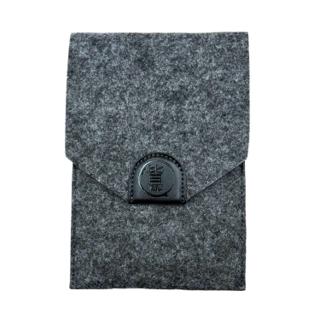
Barber scissors need a short routine between clients and a longer one at close. The two jobs are the same on both occasions: remove hair and residue, keep the tool dry, and look after the pivot. How you meet infection-control requirements is set by the rules where you work, not by this page.
Key takeaways
- Keep clean and used tools physically separate at the station.
- Between clients: wipe, clear the pivot, dry, check the action.
- At close: full clean, dry, one drop of oil, case.
What this guide covers and what it does not
This page covers handling and care of the scissor itself. It does not replace the hygiene and infection-control rules that apply to a barber shop in your state or territory, which are set by the relevant authorities and your local council. Check the rules for your premises and follow them. For general work health and safety information, see Safe Work Australia.
Nothing here is medical advice or a claim about outcomes. It is how to keep the tool in working order.
The two-tray habit
A clean tray and a used tray stop a used tool going back on a client by mistake. A small tray, a labelled mat or two pouches works. The rule is simple: once a scissor leaves the hand at the end of a service, it goes in the used place.
The same logic suits mobile work, where the kit travels. See the mobile barber workflow.
Between clients: the short routine
- Wipe both blades. Use a soft, dry cloth, from the pivot out to the tip, with the edge facing away from your fingers.
- Open and clear the pivot. Open the blades to about 90° and remove hair from the pivot area and the finger rest with a brush or cloth.
- Look at the blade. Check for residue, hair wedged in the teeth of a thinner, and anything on the edge.
- Dry. If a cleaning product or water was used, dry the blades and pivot completely.
- Check the action. Open and close a few times. The blades should travel smoothly and stay quiet.
That takes under a minute. The longer routine below is for the end of the day, not between every client.
At close: the fuller routine
- Clean as above, then look closely at the pivot and the inside faces of the blades.
- Dry fully. Water at the pivot is the usual start of corrosion, so be thorough.
- Oil the pivot. One drop where the blades cross, then open and close a few times and wipe off the excess. Oil, tension and storage explains how much and why.
- Check tension. If the scissor feels different from yesterday, adjust it; see the same guide.
- Case the pair. Closed, in its own slot, in a case that closes. The cases guide compares options.
The earlier seven-step article, how to clean and oil barber scissors, covers the same ground in a different order, and the maintenance guide adds the weekly checks.
Thinning shears need extra attention
Hair packs between the teeth and holds moisture there. Use a fine brush along the teeth, from the pivot toward the tip. Look through the gaps with the blades open. The texturising guide lists the care steps for toothed shears.
Set the station so the routine happens
A routine that needs thinking about gets skipped on a busy day. Set the station so the short routine is the easy thing to do.
- Keep the cloth and brush at the station, within reach of the working hand, not in a drawer.
- Mark the clean place and the used place. A different coloured mat or tray for each makes it obvious at a glance.
- Put the close-of-day steps on a card. Wipe, dry, oil, check, case. A five-line card by the mirror is enough.
- Keep the oil where you close. If the oil lives in the bag, it will not be used.
- Give the case a fixed home so the closed pair has an obvious place to go.
For a team, the same card at every station keeps the standard the same and makes a new hire’s first week simpler. The team kit guide covers running it across chairs.
Common mistakes
- Soaking the scissor. Moisture at the pivot is the problem, not the cleanliness of the blade.
- Putting a wet scissor in a case. Dry first, then case.
- Using abrasive cloth or pads on the blade. They can mark the finish and the edge.
- Skipping the pivot. Hair at the pivot causes drag and changes how tension feels.
- Oiling too much. One drop is enough. Excess oil attracts hair and lint.
Climate matters
In humid or coastal shops, drying matters more. The climate care guide covers coastal salt and wet-season routines.
When cleaning does not fix it
If the scissor still feels rough, pulls hair or folds it after a clean, oil and tension check, the edge needs a professional look. See the blunt shears signs and the sharpener handover guide.
Pick by stage
- Apprentice: a cloth, oil and a case that closes. Build the habit before buying more.
- Working barber: a two-tray station and a daily close routine.
- Shop owner: write the routine on a card at each station. See team kit rotation.
Find every barber care and buying guide in the knowledge base.
Further reading: Scissorpedia is an information website and a fellow member of the ShearAlliance.
Questions
How often should I clean barber scissors?
Wipe and clear hair after every client, and do the full clean, dry and oil at close. A tool that is used again within minutes only needs the wipe and the pivot check.
Can I put barber scissors in water?
Avoid soaking. Water left at the pivot and between the blades invites corrosion. If your shop's rules require a wet process, dry the scissor fully straight afterwards and oil the pivot.
Do I oil scissors between every client?
No. Oil at the pivot daily or when the action feels dry. Between clients, wipe, clear hair and check the pivot is clean.
Where are the official hygiene rules for barbers?
They are set by the state or territory where you work and by your local council. Check the requirements that apply to your premises. Safe Work Australia publishes general work health and safety guidance.