Scissor Oil, Tension and Storage: A Troubleshooting Guide
What each symptom means at the pivot, how to fix it with oil or a small tension change, and how to store the pair.
Quick answer
Oil keeps the pivot moving, tension sets how the blades meet, and storage protects both. One drop of light scissor oil at the pivot, a small tension change at a time, and a dry, closed pair in a case solve most scissor problems. If a symptom stays after that, the edge or the pivot needs a service.
Top picks
Three things keep a scissor cutting between sharpenings: oil at the pivot, correct tension, and storage that is dry and separate. Most problems that feel like a blunt edge are one of the first two. Work through the symptom, fix the cheap cause first, and book a service only when the fix does not hold.
Key takeaways
- One drop of light scissor oil at the pivot, wiped, not a flood.
- Adjust tension a small turn at a time, and test after each.
- Store dry, closed and apart from other tools.
What the pivot does
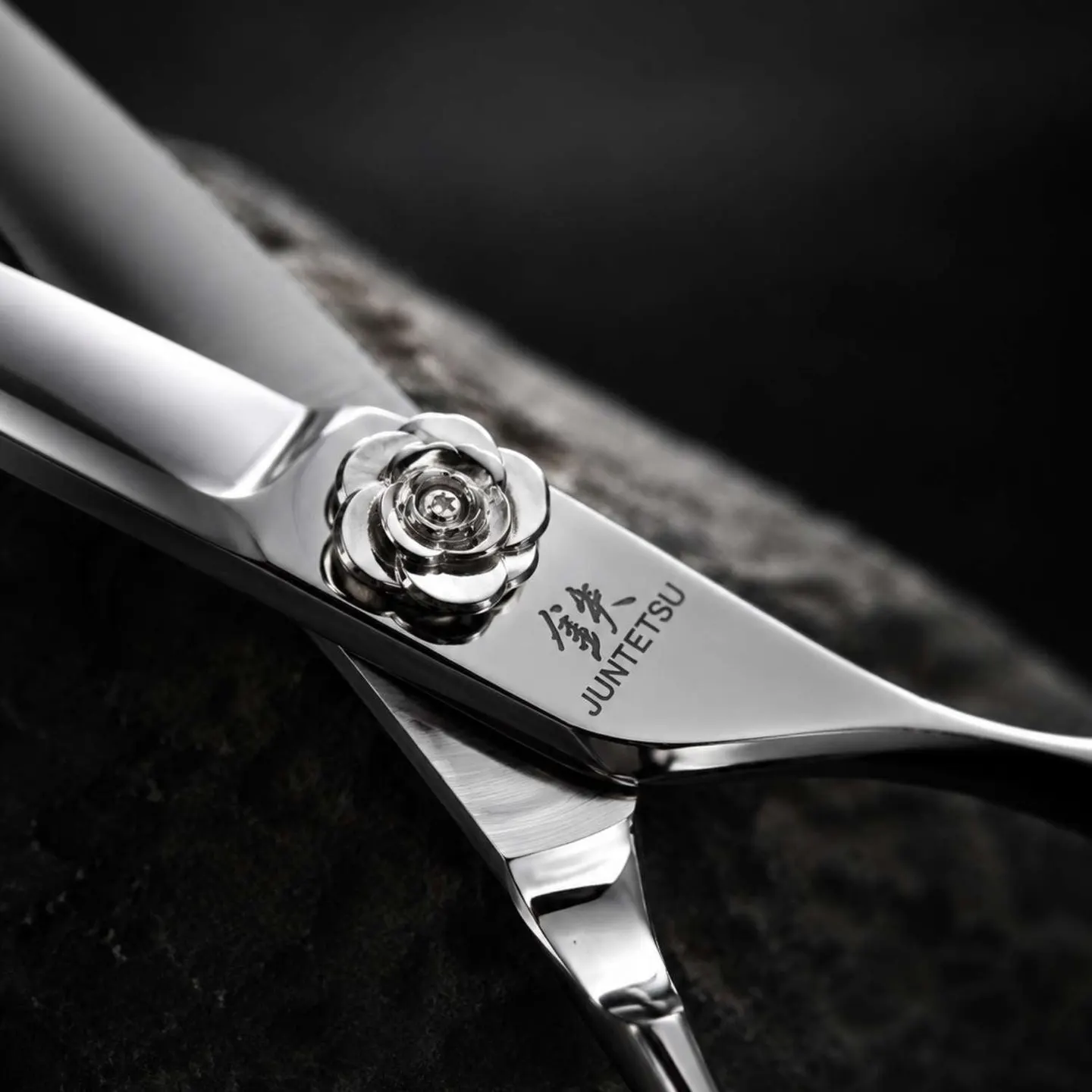
The pivot is the screw joint where the two blades cross. It holds the blades together at the right pressure. Too loose and the blades separate and fold hair. Too tight and the blades drag, and the hand does more work.
Different models use different pivot types: flat screw, coin screw, tool-free dial and bearing pivots. The pivot systems guide explains each, and the parts guide names the parts. What follows applies to all of them.
Oil: what, how much, how often
- What. A light scissor or clipper oil, or the oil your maker supplies. Avoid cooking oil and heavy household lubricants, which go sticky and hold hair at the pivot. The Jaguar care notes show a maker’s approach.
- How much. One drop where the blades cross.
- How often. Daily at close, and after any wet clean or disinfecting step.
Work the oil in with a few opening and closing strokes, then wipe the excess from both blades. Oil on the cutting edge ends up on the client.
Tension: the drop test
Hold the finger ring with the still blade level, lift the moving blade upright and let go. If it falls and stops part way, tension is about right. If it closes fully, it is too loose. If it barely moves, it is too tight. The maintenance guide shows the test with a diagram.
Turn the screw a small amount, then repeat. One adjustment at a time stops you overshooting. If the model has a dial or click screw, follow the maker’s method.
Symptoms and what to do
Scroll sideways to compare all columns.
| Symptom | Likely cause | First fix |
|---|---|---|
| Stiff, drags when opening | Hair or residue at the pivot, or tension too tight | Clean the pivot, one drop of oil, ease tension slightly |
| Loose, blades wobble | Tension too loose | Tighten a small turn and test |
| Grating or gritty feel | Debris in the pivot, or dry metal | Clean thoroughly, oil, work it in |
| Hair folds or pushes along the blade | Tension too loose, dirty blades, or a worn edge | Clean, reset tension, then see below |
| Squeak or noise | Dry pivot | One drop of oil |
| Screw keeps loosening | Worn thread or fit | Book a service |
If the symptom returns after a clean, oil and tension reset, the edge or the pivot needs a professional look. Compare against the blunt shears signs and use the sharpener guide.
Storage: dry, closed, separate
- Dry. Moisture is the common cause of corrosion. Dry blades and pivot before casing, and never case a damp pair.
- Closed. Closed blades protect the tips. Do not store a scissor open on a bench or in a pocket.
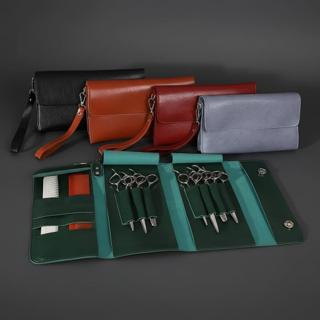
- Separate. One tool per pocket so edges do not rub. A case with fixed slots stops movement.
- Cool. Avoid hot cars and direct sun. The climate care guide covers humid and coastal conditions.
The cases, pouches and holsters guide compares options for the station and the bag.
A weekly five-minute check
Once a week, at close, give each pair five minutes. It catches small changes before they become a cut that pushes hair.
- Clean and dry the pair as in the daily routine.
- Look at the pivot screw. It should be firm and the head undamaged.
- Run the drop test and note whether the blade stops part way.
- Open and close slowly and listen for grating or a catch.
- Look along the edge under good light for nicks, and at the tips for a bend or a chip.
- Oil, wipe and case.
Write down anything unusual with the date. A small pattern, such as a screw that loosens every week, tells you earlier than a failed cut would. If you check the same pair every week, you will also learn how it feels when it is right, which makes the first sign of a change easier to spot.
Common mistakes
- Over-oiling. A drop is enough.
- Over-tightening to fix folding. It makes the blades drag and masks the real cause.
- Adjusting several things at once. Change one thing, then test.
- Leaving scissors on the station overnight. Close and case them.
- Storing wet. Dry first.
When to stop adjusting
If you keep needing to retighten, if the pivot feels rough after cleaning, or if the cut still pushes hair, stop adjusting. Repeated adjustment of a worn pair only hides the problem. The warranty page and the care guide explain what is covered and what is wear.
Pick by stage
- Apprentice: oil, a cloth and a case, used daily.
- Working barber: weekly tension test written into the close routine, per the cleaning guide.
- Shop owner: a shared tension and oil routine for the station tools.
The full set of care and buying guides is in the knowledge base.
Further reading: Scissorpedia is an information website and a fellow member of the ShearAlliance.
Questions
How much oil should I put on barber scissors?
One drop at the pivot, where the blades cross. Open and close a few times to work it in, then wipe off the excess. More than that attracts hair and lint.
What is the right scissor tension?
Firm enough that the blades meet along their whole length without a gap, loose enough to open and close without drag. Use the drop test in the maintenance guide and move the screw a little at a time.
Why do my scissors feel stiff?
Usually hair or residue at the pivot, a dry pivot, or tension that is too tight. Clean the pivot, add one drop of oil, then check tension before anything else.
How should I store barber scissors?
Dry, closed, each pair in its own pocket, in a case that closes. Keep them away from damp, heat and loose metal tools that can knock the edge.