Choosing Scissor Length by Technique
Match blade length to the job you do most: over-comb, point cutting, detail, beard work and blending.
Quick answer
Pick length by the technique you do most. Scissor over comb wants 6.5″ to 7.0″ so the blade covers more comb per pass. All-round cutting sits at 6.0″. Detail, ears and neckline work suit 5.0″ to 5.5″. Thinners are usually 6.0″. Own two lengths if you do both over-comb and detail.
Top picks
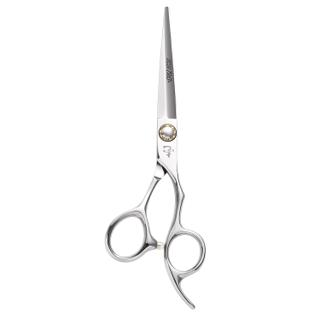
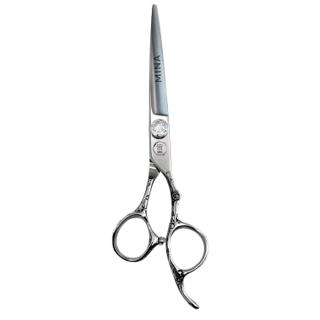
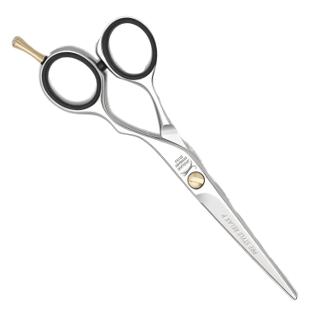
Scissor length follows technique. A long blade covers more comb per pass, a short blade puts the tip where you want it. The right pair is the length that matches the cut you do most, and a second length covers the rest.
Key takeaways
- 6.5″ to 7.0″ for scissor over comb and the long lines of a fade.
- 6.0″ for all-round cutting and as the first pair.
- 5.0″ to 5.5″ for detail around the ears and neckline.
How length is measured
Length on a scissor listing is overall length unless the product file says blade length. The size guide shows both measurements and how to measure your own pair. Two shears can have the same overall length and different blade lengths, depending on the handle.
Length by technique
Scroll sideways to compare all columns.
| Technique | Length | Why |
|---|---|---|
| Scissor over comb | 6.5″ to 7.0″ | Longer blade covers more comb, keeps the line even |
| Point cutting the top | 6.0″ to 7.0″ | Room to turn the tip into the ends |
| Slide cutting | 6.0″ to 7.0″ | Blade length lets you glide along the section |
| Ears, sideburns | 5.0″ to 5.5″ | Short blade, tip control |
| Neckline and outline | 5.0″ to 5.5″ | Precise placement at the hairline |
| Beard shaping with scissors | 5.0″ to 6.0″ | See the beard and neckline guide |
| Blending with a thinner | 5.5″ to 6.0″ | Matches most thinners and sets |
Over-comb and long lines: 6.5″ to 7.0″
When the comb lifts hair, the scissor moves along it. A longer blade covers more of the comb at each pass, so the line stays even and the number of cuts falls. The steps are in the scissor over comb guide, and models are compared in the long scissors list.
The trade-off is control in small spaces. A 7.0″ is awkward at the ear, so most barbers keep a shorter pair for it. Shop the 7-inch range and 6.5-inch range.
All-round cutting: 6.0″
A 6.0″ is the length that does most jobs well enough: point cutting, light over-comb, and tidy work. It suits an apprentice’s first pair and a working barber who wants one scissor for a mixed day. The 6-inch range is the largest.
Detail: 5.0″ to 5.5″
A short blade is easier to steer in small spaces. The cost is reach: over-comb takes more passes. Use a short pair for the finish and a long pair for the body of the cut. See the short scissor picks and the 5.5-inch range.
Check the length against your hand
Length is not only about technique. The scissor has to sit comfortably in your hand, and finger rest, ring size and offset change how a length feels. A hand that is comfortable with a 6.0″ may not feel the same with a 7.0″ of a different handle. The handle guide covers the geometry.
Two lengths or one
Buy one length if your day is mostly one technique. Buy two if you do both over-comb and detail. Three is rarely needed unless you also cut longer hair.
Scroll sideways to compare all columns.
| Your work | Suggested pair |
|---|---|
| Mostly fades and short back and sides | 7.0″ main, 5.5″ detail |
| Mixed cutting | 6.0″ main, 6.5″ or 7.0″ for over-comb |
| Mostly detail and beards | 5.5″ main |
Three working days, three length choices
The fade day. Most bookings are skin-to-short sides and a short top. You spend the day in over-comb and detail. A 7.0″ for the transition and a 5.5″ for ears and neckline cover it. A 6.0″ in the middle gets used less, so it is the first to leave the kit.
The mixed day. Cuts range from scissors-only length on top to short back and sides. A 6.0″ does most of the day, with a 6.5″ or 7.0″ available for the over-comb sections. If you can only carry one extra, take the long one.
The detail and beard day. Bookings are beard shapes, line-ups and tidy-ups. A 5.5″ becomes the main pair, with a 6.0″ for the body of a long beard. You rarely reach for a 7.0″.
Notice that the day changes the answer, not the barber’s skill. A barber who moves between these days should carry the pair that the day needs, and the barber kit guide shows how the pieces fit into one kit.
Common mistakes
- Buying the longest to look professional. Long is only better if you use the reach.
- Reading blade length as overall length. Confirm which one the listing states.
- Mixing handles across lengths. Different handle styles change how each tool feels.
- Skipping the thinner length. Thinners are usually 6.0″, so match your cutter to it.
Pick by stage
- Apprentice: a 6.0″ cutter first. See the first kit guide.
- Working barber: add 6.5″ or 7.0″ if over-comb is daily. The barber kit guide shows the full set.
- Upgrade: a second length in the same handle style, using the apprentice upgrade guide.
All guides are in the knowledge base.
Further reading: Scissorpedia is an information website and a fellow member of the ShearAlliance.
Questions
What length scissors do barbers use?
Most barbers cover their work with a 6.0″ cutter and add a 6.5″ or 7.0″ for scissor over comb and a 5.5″ or shorter for detail. The technique you do most decides the main pair.
Is a longer scissor always better for fades?
No. A longer blade covers more comb per pass, which helps over-comb, but it is clumsy for ears and necklines. Many barbers carry both a long and a short pair.
How is scissor length measured?
Overall length, tip of the blade to the end of the finger rest, in inches. Blade length is shorter and some listings quote it instead, so confirm which number you are reading.
What length for a first scissor?
A 6.0″ is the usual first cutter because it does most jobs acceptably. Move up or down once you know which technique dominates your day.