By James Adams ·
Japanese vs German Barber Shears: What Matters in the Chair
Compare Japanese and German barber scissors by the model in your hand: blade edge, length and grip tell you more than the country label.
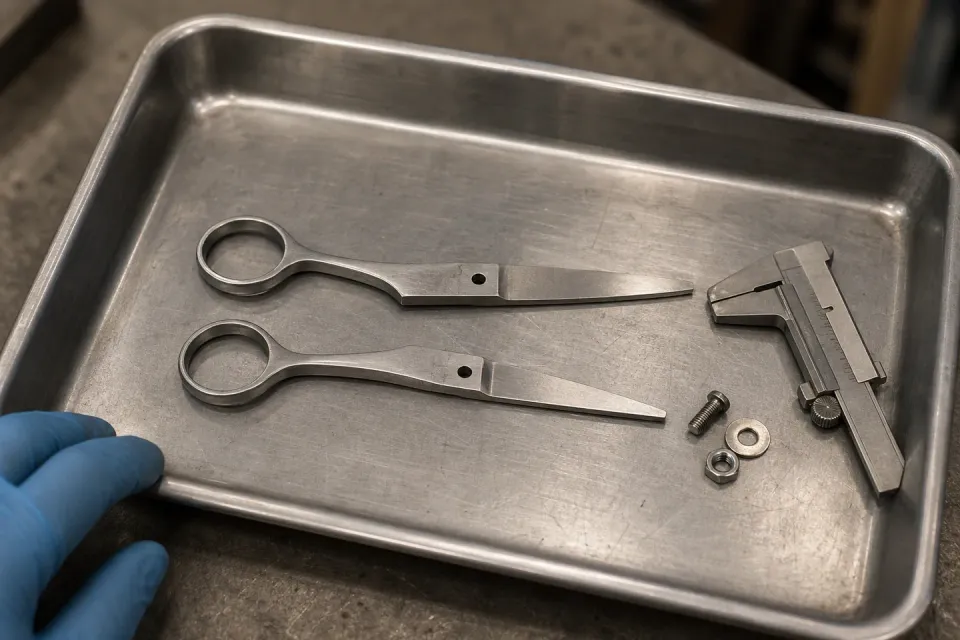
A country label cannot choose your next barber shear. What matters in the chair is how the blade holds or moves through hair, how long it is and where the handle puts your thumb.
Compare the edge
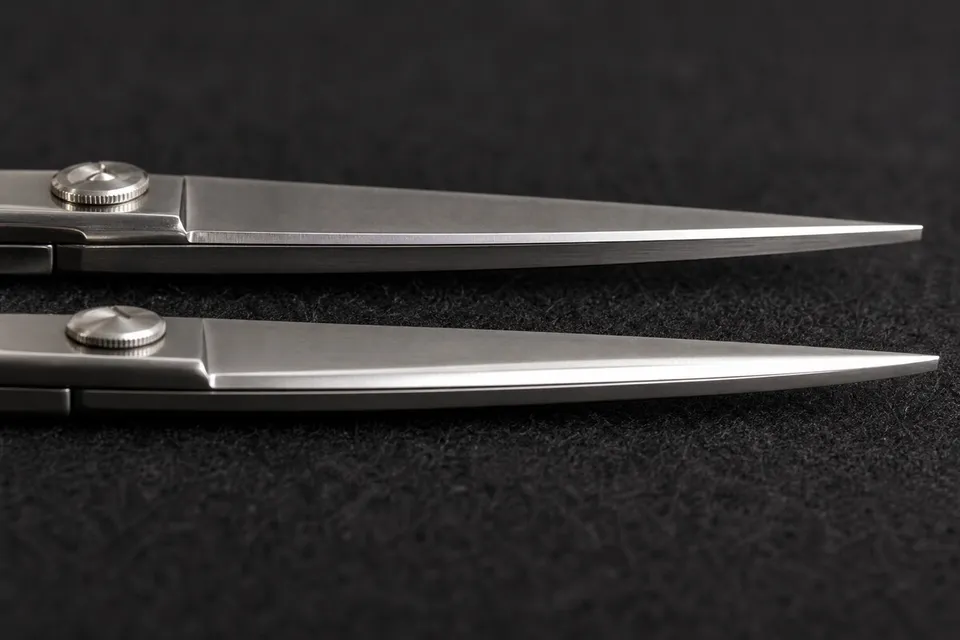
A convex edge usually suits fluid slicing and softer movement through a section. A bevel or micro-serrated edge can give more grip for controlled blunt lines and scissor-over-comb. Both appear across professional ranges, so read the individual model rather than assuming every shear from one country cuts the same way.
Compare the work
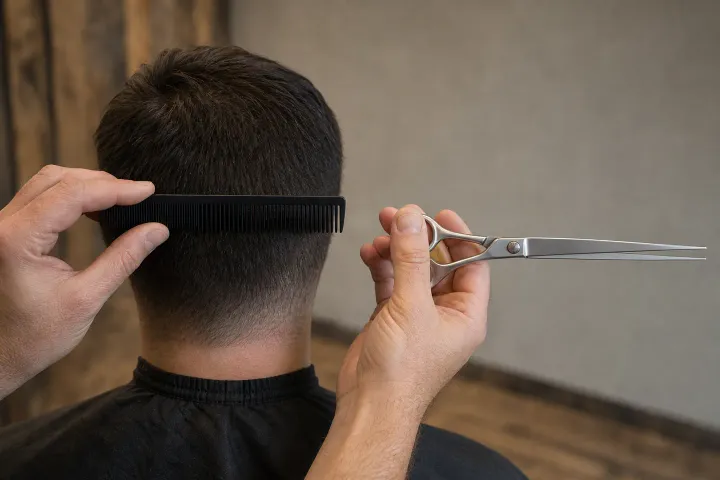
- Long comb sections: choose enough blade length to cover the pass cleanly.
- Close detail: a shorter cutter is easier to place.
- Texture: add a thinner with a tooth pattern that suits your finish.
Explore the Jaguar range alongside Joewell and Yasaka, then shortlist by handle and size. The edge guide explains the cutting feel in more detail.
Questions about a shear?
Choosing your next shear or checking an order? Send us the details and we’ll help you find the next step.
Latest blog posts
Read all blog posts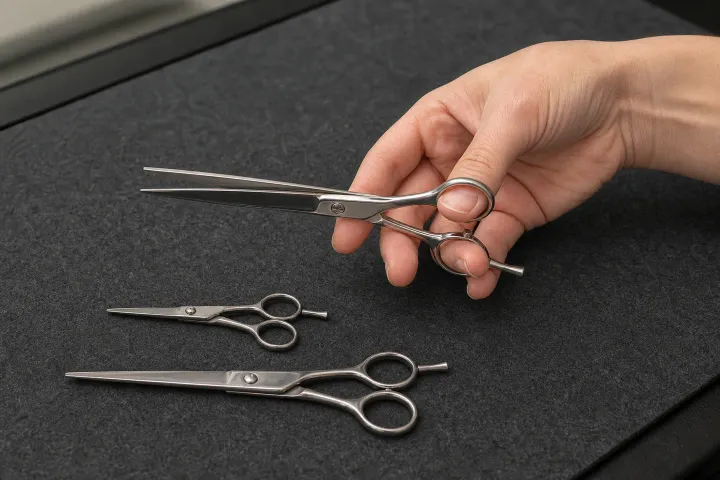
Yasaka vs Juntetsu: Which Barber Scissor Brand Wins?
Yasaka or Juntetsu for a barber station? Compare their cutters, thinners and sets by the job, grip and selected size.
Best Sword Blade Shears for Barbers
Sword-style barber shears suit long comb sections and deliberate slicing. Compare single cutters with cutter-and-thinner sets.