Shear Steel: What The Spec Sheet Actually Tells You
Steel names, hardness numbers, and the marketing gaps between them — read a shear spec like a buyer, not a brochure.
By James Adams Updated
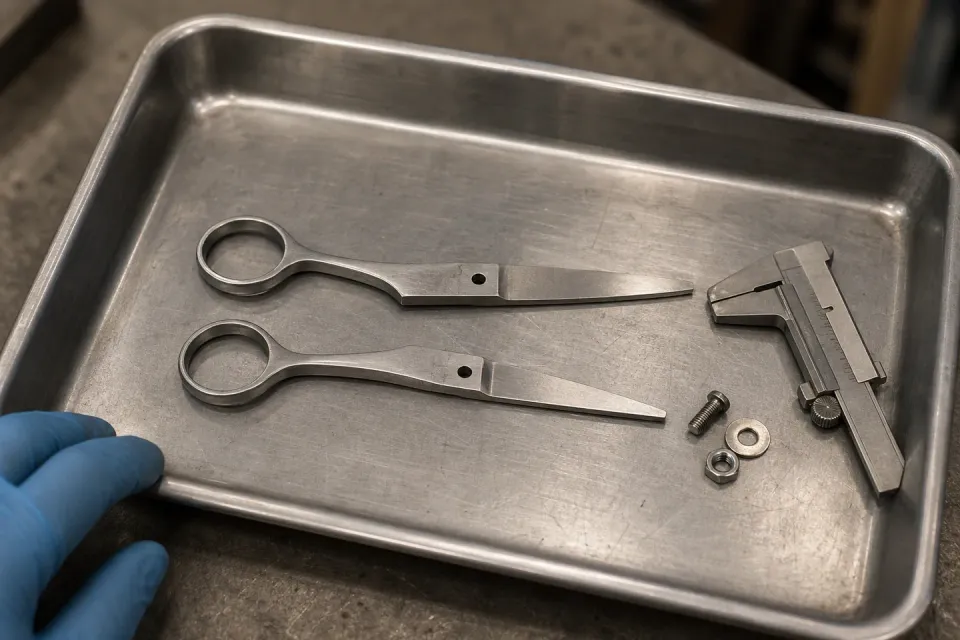
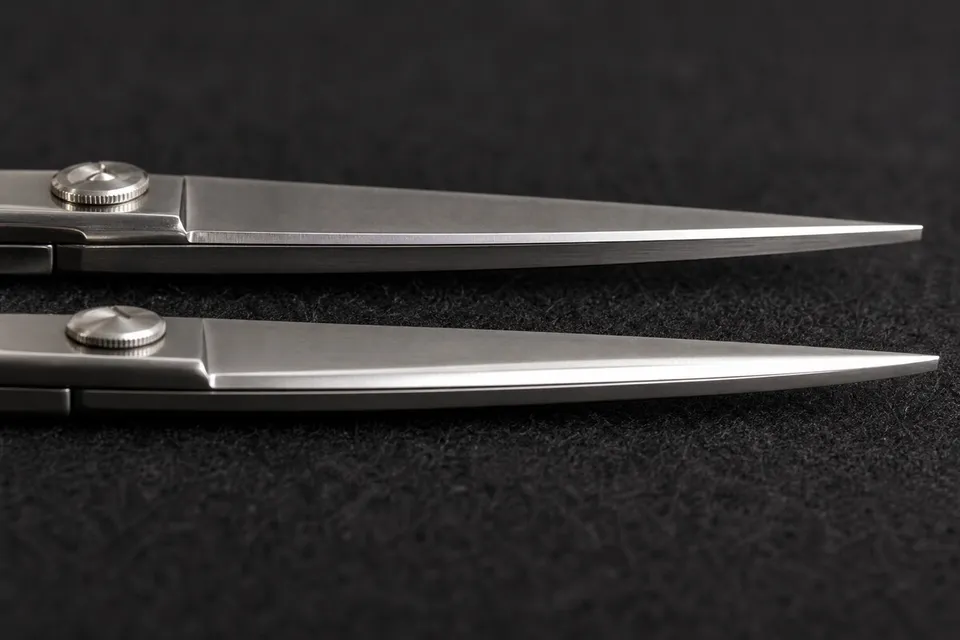
Steel is one part of a barber shear. It matters, but a grade name cannot tell you whether the handle fits your hand or the blade suits your cut.
The names you will see
- 440C or SUS440C: a common stainless grade across everyday cutters, thinners and sets.
- VG-10: a steel named on a number of Japanese-style cutting ranges.
- ATS-314: a cobalt-bearing grade listed on several Yasaka models.
Different models use different heat treatment and edge profiles, even when the steel name matches. Check the individual product page for the selected tool.
What to choose first
Pick the blade length for your work, then the edge and grip. A long comb-work cutter and a short detail shear can share a steel grade but feel very different at the chair. A hardness number is one material measurement; it is not a promise about how long the edge will last in your shop.
Use the size guide and edge guide to build your shortlist. Then use steel to compare the models that already fit your technique. The three-steel comparison is a quick next read.