Texturising Technique for Barbers
How to take weight out and add movement with toothed shears, point cutting and slide cutting, and when to stop.
Quick answer
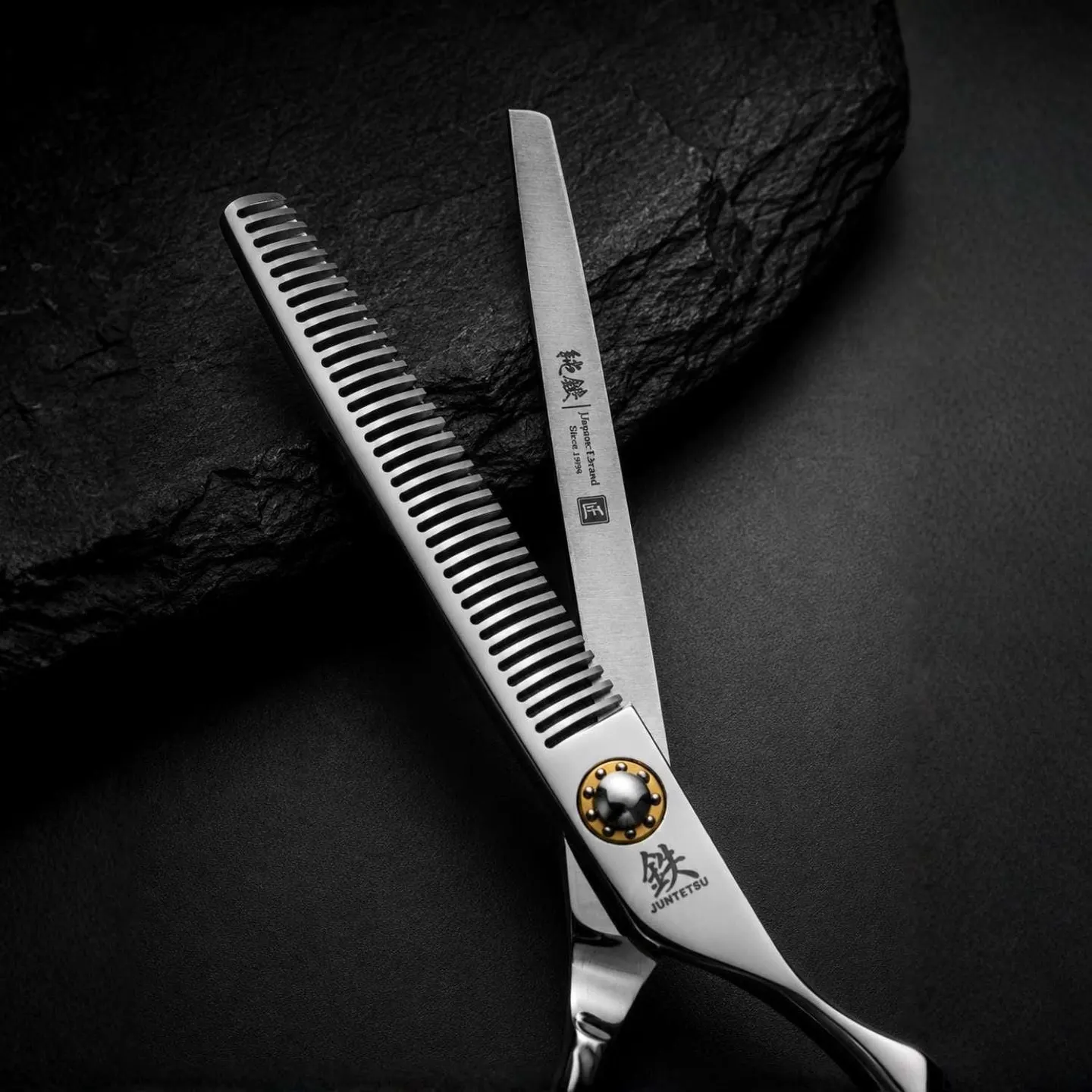
Texturising removes weight or breaks up solid edges so the top moves and sits. Barbers do it with point cutting, slide cutting, channel cutting or a toothed shear. Use a fine blender for soft lines and a wide-tooth texturiser for bulk, take small passes, and stop before the ends look thin.
Top picks
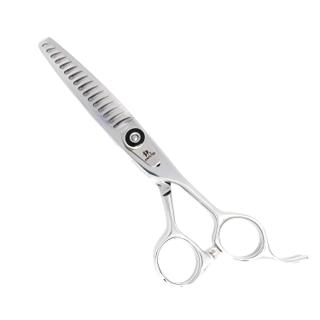
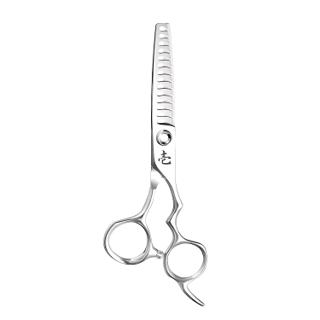
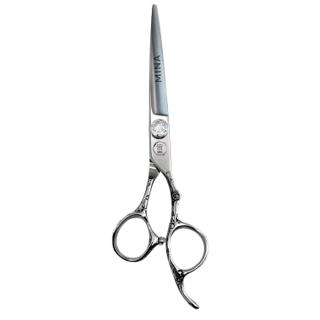
Texturising removes weight or breaks up an edge so hair sits and moves the way the cut intends. Barbers have four ways to do it and two kinds of tool. The method decides the result as much as the shear, and the safest rule on any head is to start light.
Key takeaways
- Texturising comes after the shape and length are right, not instead of them.
- Wide teeth remove more, fine teeth remove less, and a convex cutter can do most of the work alone.
- Start away from the ends, take small passes and check after each.
What texturising is and when to use it
Texturising is the removal of part of the hair in a section so the section is lighter or its ends are broken up. It is used on thick tops that sit too heavy, on blunt edges that look solid, and in blends where you want the hair to knit rather than stack.
Do not use it to fix a poor shape. If the length or line is wrong, correct that first with a cutter. The texturising shears guide covers how to choose the tool; this page covers how to use it.
Four methods
Scroll sideways to compare all columns.
| Method | What you do | Tool | Result |
|---|---|---|---|
| Point cutting | Turn the scissor tips into the ends and snip upward | Cutter | Soft, broken ends |
| Slide cutting | Open the blades and glide them along the hair | Convex cutter | Weight removed along the length |
| Channel cutting | Cut a few V-shaped gaps into a section | Cutter | Visible separation |
| Notching with a toothed shear | Close the teeth part-way up the section | Blender or texturiser | Fixed amount removed per close |
Point and slide cutting need a sharp convex edge, which is why many barbers do them with their main cutter. A micro-serrated edge grips the hair and will not slide cut; the edge guide explains why.
Choose the tooth count by the job
A thinner has one toothed blade, so each close removes only some of the hair between the blades.
- 28 to 40 teeth (blender): removes a little per close and leaves a soft transition. Use it on fine to medium hair and at the weight line of a fade.
- 10 to 16 teeth (texturiser or chunker): removes more per close and leaves gaps you can see. Use it on thick, coarse or curly hair that needs bulk out.
If you carry one toothed shear, make it a fine blender. A wide-tooth pair is the one to add for thick tops. Thinning shears versus blenders sorts the names.
The method for a toothed shear
- Comb the section out and hold it flat. Work in small sections so you can see what you are removing.
- Start mid-length. Begin about one third of the way down, not at the ends and not at the roots.
- Close once, then move. One close, a short slide down the section, one close. Do not chew in one spot.
- Comb through. If a single close left a gap, stop there.
- Work the next section and match the amount removed.
Moving the blades along the hair spreads each removal across the section. Closing in the same place twice takes a patch out and shows up as a hole.
How much to take out
Less than you think. A useful test is to comb the section through and let it fall: if the shape still sits and the ends look intact, you can take a little more. If the ends look wispy or the shape has collapsed, you have gone far enough.
Hair type changes the answer. Dense, coarse hair takes more removal than fine hair, which loses body quickly. See scissors by hair texture for which tools suit which hair.
A worked example: a heavy top over a short back and sides
Take a client with a short, tidy fade and a thick top that sits like a block. The shape is right and the length is right, but the weight sits heavy and the top will not move.
- Comb the top forward and lift one section at a time.
- With a wide-tooth texturiser, take the first close about a third of the way down the section, then slide towards the ends and close once more. Move on to the next section.
- Comb through and let it fall. If the block still sits, repeat in the same places, one pass at a time.
- Soften the weight line at the transition with a fine blender, working up from the fade and stopping short of the ends.
- Finish with point cutting on the edge of the top so the ends break up and sit naturally.
The same head with fine hair would need only the blender and the point cutting. The texturiser is for bulk, so leave it in the case when there is no bulk to remove.
Common mistakes
- Starting at the ends. Removing hair at the tips leaves a thin, stringy look.
- Closing twice in the same spot. This leaves holes.
- Texturising wet hair heavily. Wet hair hides how much you have removed.
- Using texture to hide a bad cut. The shape should work before texture.
- Cutting with a dirty or loose pivot. Teeth that shift under tension remove unevenly. See the pivot and tension guide.
Where to buy by job
A single blender and a long cutter cover most barber work. The thinning shear picks compare options by tooth count, and the thinning shears collection lists them. Toothed shears hold their teeth best when they are kept clean; the care steps are in the maintenance guide.
More barber guides sit together in the knowledge base.
Further reading: Scissorpedia is an information website and a fellow member of the ShearAlliance.
Questions
What does texturising do in a haircut?
It removes weight or breaks up the ends so hair moves instead of sitting in a solid mass. It is a finishing step, done after the shape and length are set.
How many teeth for texturising?
Fewer, wider teeth (10 to 16) remove more and leave visible separation. Finer teeth (28 to 40) remove less and blend. Pick by how much weight the hair carries.
Can I texturise with a normal scissor?
Yes. Point cutting and slide cutting with a sharp convex scissor both texturise. A toothed shear is faster and more predictable for bulk, but it is not the only way.
How do I avoid over-thinning?
Work in small passes, start further from the ends than you think, and check by combing through and letting the hair fall. You can always take more out.