Working as a Left-Handed Barber
How to set up the chair, mirror what you are taught, and equip a left-handed barber in a mixed team.
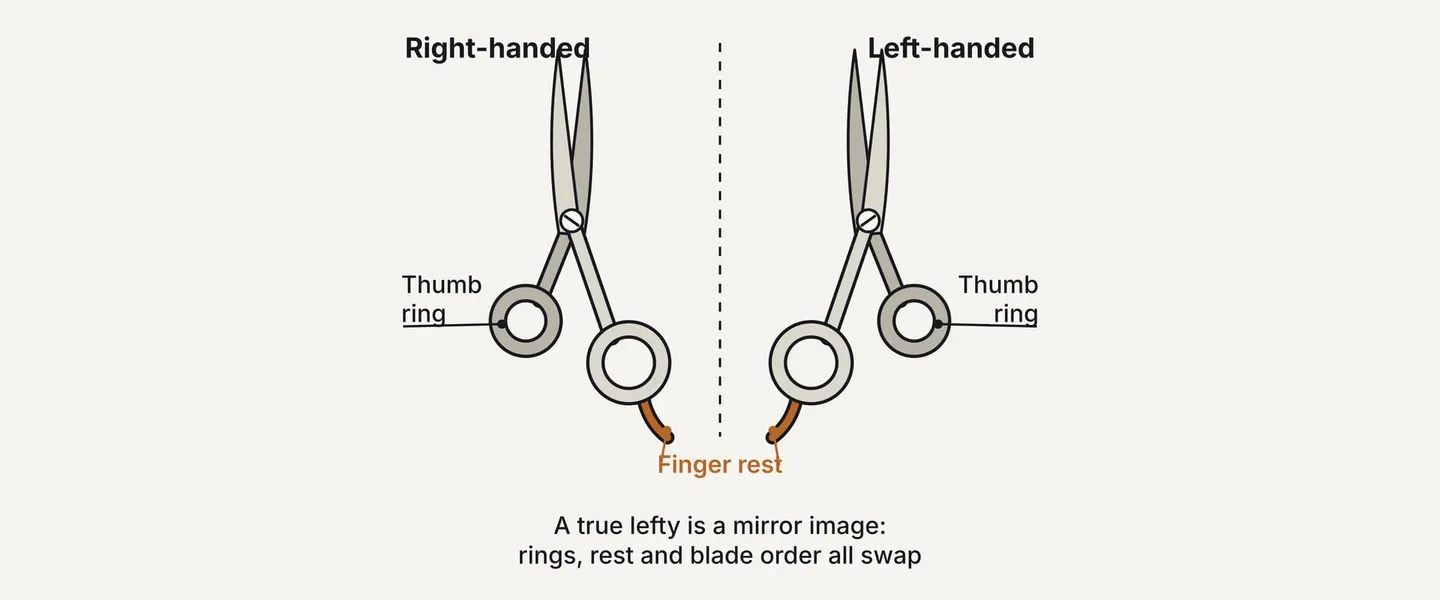 Illustration
Quick answer
A left-handed barber works the mirror image of a right-handed one: scissor in the left hand, comb in the right, and a true left-handed scissor so the blades cut correctly. Mirror the technique you are taught, set the station to suit your side, and keep the cutter and thinner in matching left-handed handles.
Top picks
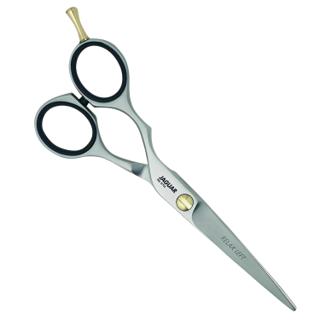
German-made lefty cutter
Jaguar Pre Style Relax Lefty Hair Scissors
Offset, classic blade, left-handed
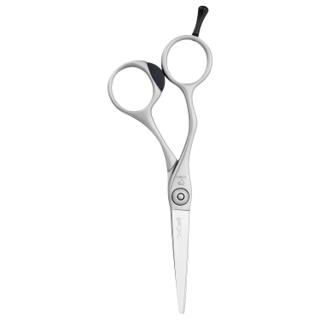
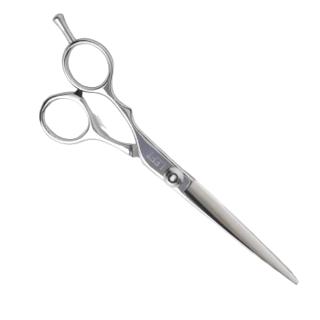
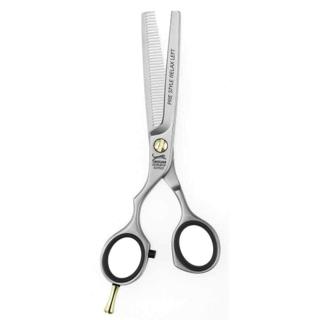
Matching thinner
Jaguar Pre-Style Relax 40 Left-Handed Thinning Scissors
Left-handed thinning/texturising, offset
A left-handed barber works the mirror image of a right-handed one. The scissor sits in the left hand, the comb in the right, and the scissor needs to be a true left-handed model. Most training shows right-handed technique, so the skill is mirroring it, and the kit is matching a left-handed cutter and thinner.
Key takeaways
- Use a true left-handed scissor. An ambidextrous or reversed-handle pair is a different thing.
- Mirror the technique you are taught, swapping left and right.
- A shop with a left-handed barber should hold a left-handed spare.
True left-handed, ambidextrous and reversed handles
A true left-handed scissor has its blades reversed, so the blades close correctly for a left hand. Some scissors are described as ambidextrous or have only a left-handed handle shape. The left-handed guide explains the three and how to read a listing, and the best left-handed picks compare models.
Mirror what you are taught
Most videos and trainers show right-handed positions. The skill is to swap them side to side, not to relearn from scratch.
- Watch the hands, not the body. Note where the comb and the scissor sit relative to the head.
- Swap the hands. Left on the scissor, right on the comb.
- Swap the direction of travel. A right-handed barber often works around the chair in one direction. A left-hander usually works the other.
- Practise on a training head until the mirrored movement is smooth.
- Ask for slow demonstrations at the points where timing matters: comb lift, blade parallel, thumb action.
The technique pages in the knowledge base, such as scissor over comb step by step, apply to both hands once the positions are mirrored.
Set up the station
- Mirror and light. Position them so you can see the line from your working side.
- Tools within reach. Put the comb, spray and clippers on the side of your comb hand.
- A left-handed holster or pouch if you carry tools on the body. The holster guide in the cases and holsters guide covers carry options.
- Space around the chair. You may move round it in the opposite direction from your neighbour, so keep the floor clear.
Cutter, thinner and the matching handle
The cutter and thinner should share a handle style, so the hand does not change between tools. For a left-hander, the options are narrower than for a right-hander, which makes matching more important. Lefty cutters come in a few lengths, and thinners are fewer again.
Scroll sideways to compare all columns.
| Tool | Length | Note |
|---|---|---|
| Cutter | 5.5″ to 6.0″ typical | Longer left-handed lengths are limited |
| Thinner | 5.25″ to 6.0″ | Match the handle style of the cutter |
| Detail cutter | 5.0″ to 5.5″ | Often the same model in a short size |
See the length guide for the techniques and the left-handed collection for what is available now.
A left-handed barber in a mixed team
A shop should not share left-handed scissors with right-handed staff. Tension and wear settle to the user’s hand, and a right-handed barber using a left-handed pair will find it awkward.
Equip the left-handed barber with a full kit in their hand, and hold a spare cutter. The team kit guide shows how to set spares and rotation for any hand. The business owner procurement guide covers the brief for each chair.
Teaching and being taught across hands
Training works best when both sides know the hand difference exists. If you are left-handed and learning from a right-handed trainer, say so early and ask them to talk through each position as well as show it. “Comb in the other hand, blade parallel to the comb, thumb moves” is easy to mirror once it is said out loud.
If you are a right-handed trainer with a left-handed apprentice, stand opposite them rather than beside them so your hands mirror theirs, or demonstrate on a training head and let them copy it side for side. Check their scissor first: a right-handed pair in a left hand is a common cause of “this doesn’t cut”.
For a shop, a short note on each chair listing the hand of the barber who works it prevents a borrowed pair going to the wrong person. The apprentice kit setup guide lists what to check when a new pair arrives.
Common mistakes
- Using a right-handed scissor in the left hand. It folds hair.
- Assuming ambidextrous means left-handed. Confirm the blades are reversed.
- Matching the cutter and not the thinner. Buy them in the same handle style.
- Borrowing a right-handed trainer’s habits unchanged. Mirror, do not copy.
- No spare. A left-handed pair away for service leaves the chair on a mismatched tool.
Pick by stage
- Apprentice: one left-handed 6.0″ or the nearest left-handed length, and mirrored practice on a training head. See the apprentice kit setup.
- Working barber: a left-handed cutter plus thinner in the same handle.
- Shop owner: a spare cutter in left-handed, and a record of which pair belongs to whom.
Further reading: Scissorpedia is an information website and a fellow member of the ShearAlliance.
Questions
Do left-handed barbers need left-handed scissors?
Yes, a true left-handed scissor has the blades reversed so they close the right way for the left hand. A right-handed scissor held in the left hand can push and fold hair.
How do I learn from a right-handed trainer?
Mirror what you see: copy the position of the hands and body, swapped left to right. Ask the trainer to slow down at the comb and scissor positions, and practise them on a training head.
Where do I stand to cut as a left-hander?
Wherever lets you see the line and keep the scissor parallel to the comb. Most left-handed barbers work the mirror of the right-handed positions, so you may move round the chair in the opposite direction.
Should a shop keep spare left-handed scissors?
Yes, if it employs a left-handed barber. A spare cutter and thinner in the same hand and handle style keeps the chair working while a pair is away for service.