Everyday Barber Cutting Shears
Pick your daily cutter by length, edge and grip.
By James Adams Updated
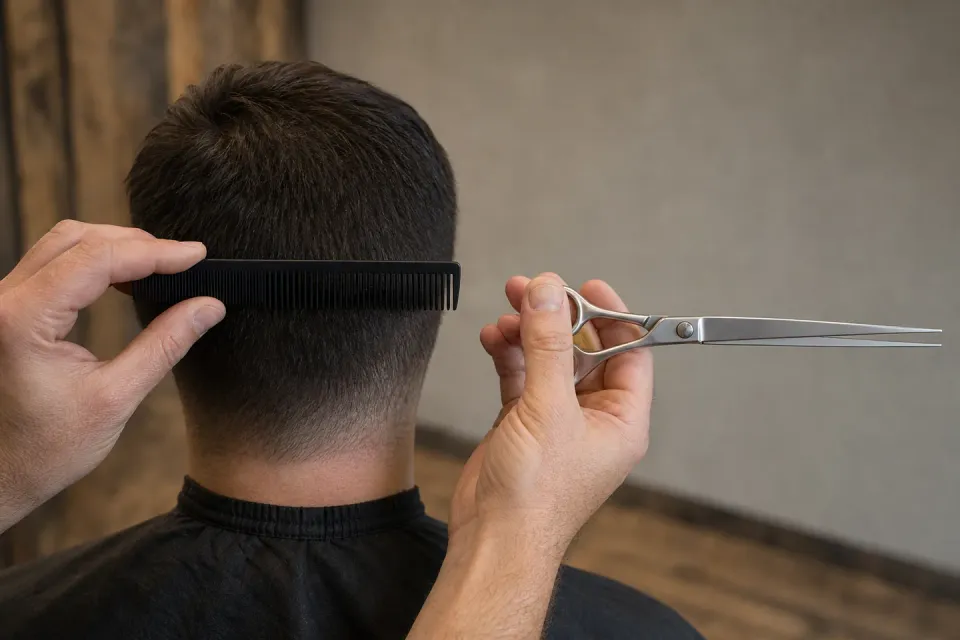
Your primary cutting shear should fit the service you repeat all week. Make three choices before you compare finish or brand.
1. Choose The Length
A compact 5.0–5.5” cutter is easy to place around detail. A 6.0” shear sits in the middle. Move to 6.5” or 7.0” when longer scissor-over-comb strokes are the main job. If you already own a shear, use its length as the reference and change one size at a time. The size guide goes deeper.
2. Choose The Edge
A smooth convex edge gives glide for moving cuts. A micro-serrated edge grips the section. The useful question is how you cut most often: slide and point work, or firm hold through blunt and over-comb cuts? Compare individual models in the cutting shear range.
3. Choose The Grip
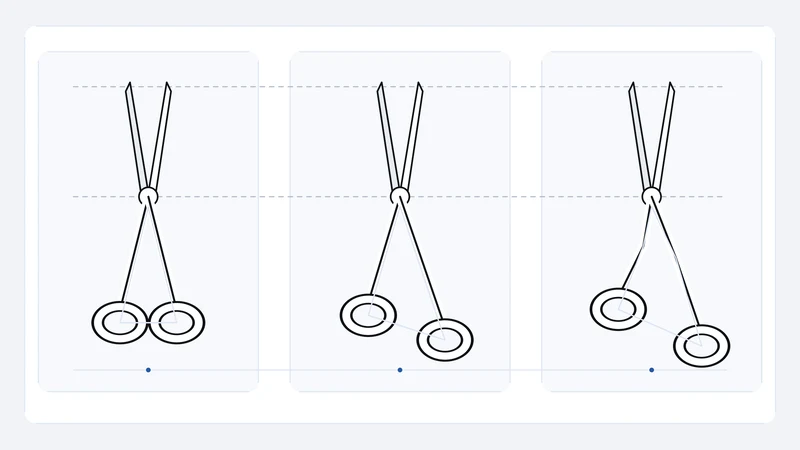
Classic handles keep the rings level. Offset lowers the thumb ring. Crane takes that bend farther, while swivel lets the thumb ring rotate. Use the handle guide to compare them against your current tool.
Once those three are settled, check the selected variant’s steel, handedness and price. If your work also needs weight removal, compare a thinner or a cutting and thinning set.