How to Test Barber Shear Sharpness
Five fast checks Australian barbers can run before a client sits down—no guesswork, no hair folding.
By James Adams Updated
A sharpness problem usually shows up in the cut before it shows up on a calendar. Watch for a shear that starts pushing hair ahead of the blade, folding it at the tips or dragging through a section it used to cut cleanly.
Check in order
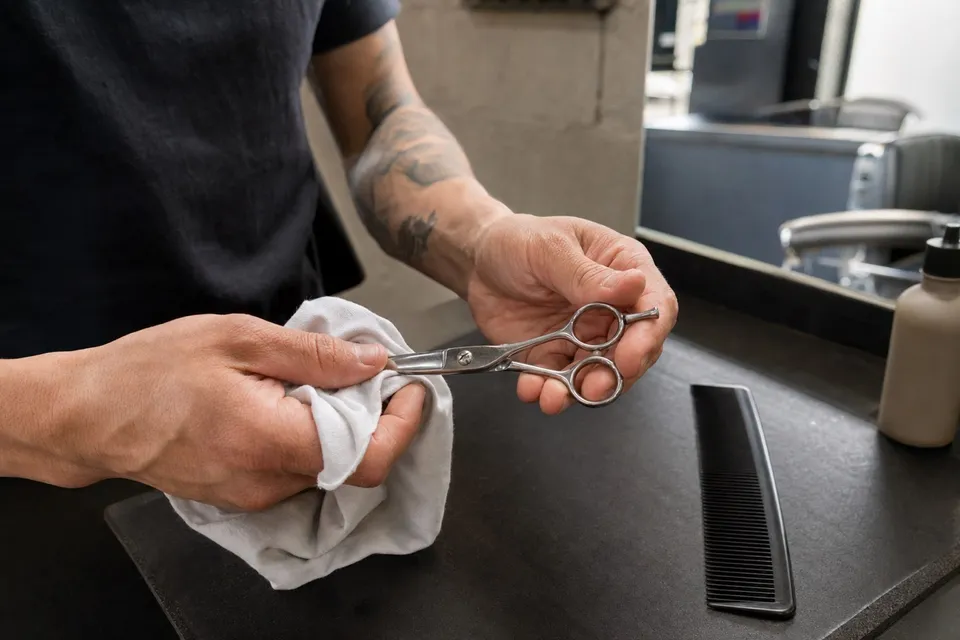
- Clear hair and product from the blades and pivot, then dry the tool.
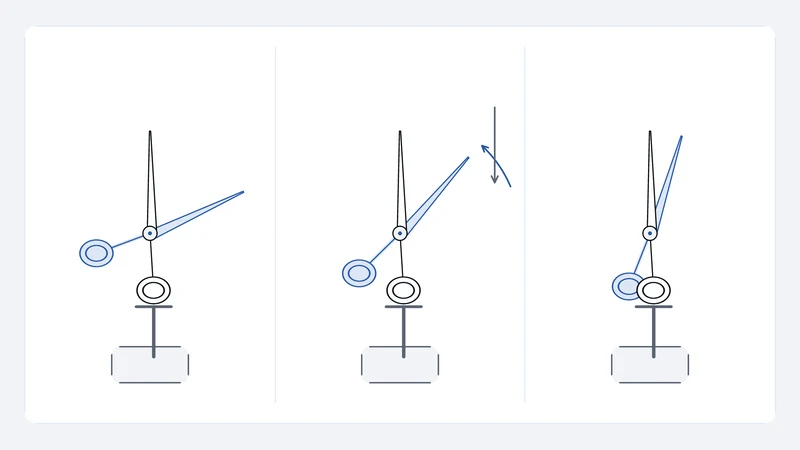
- Check that tension feels normal for that shear. Follow its adjustment instructions rather than making a large change by guesswork.
- Try a small section of clean hair. Do not keep using the pair on a client if it pulls or folds.
- Look for a visible nick or damage without touching the edge.
If the problem remains, use a backup shear and arrange professional service. A different sound alone does not prove an edge is blunt, and cutting paper or combs can damage a fine blade.
The maintenance guide gives the daily routine. The sharpener guide helps you describe the problem before booking.